

The Flap-Free Laser Solution, Advanced Vision Correction for All Corneas

20
Years
180+
Hospitals

700+
Eye Specialists

3
Crore+ Eyes



What is PRK?
Photorefractive Keratectomy (PRK) is a type of laser vision correction surgery that uses an excimer laser to gently reshape the cornea by removing microscopic amounts of tissue from its surface. By altering the corneal curvature, PRK corrects refractive errors such as myopia (near-sightedness), hyperopia (far-sightedness), and astigmatism, reducing or eliminating the need for glasses or contact lenses.
Unlike LASIK, PRK does not involve creating a corneal flap. Instead, the thin outer layer of the cornea (epithelium) is carefully removed before laser treatment and naturally regenerates during healing.
PRK is a well-established procedure with decades of proven safety and long-term visual stability.
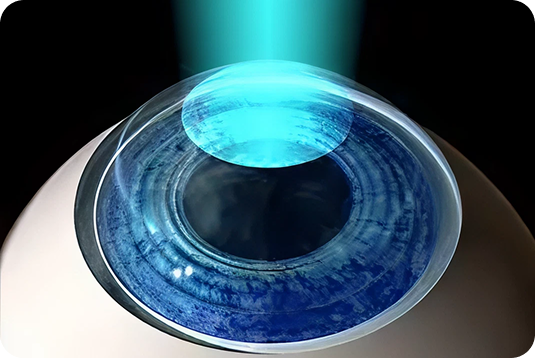

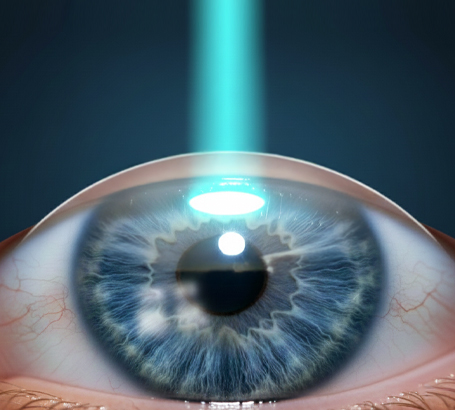
No corneal flap – eliminates flap-related complications.
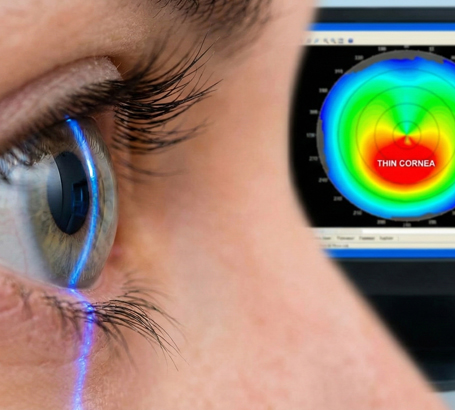
Ideal for thin or irregular corneas that may not qualify for LASIK.
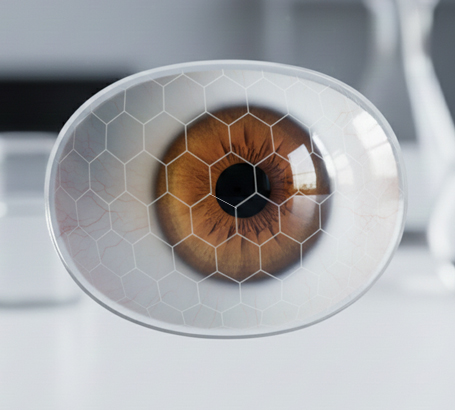
Preserves corneal structural integrity, making it suitable for individuals in contact sports, defence services, or physically demanding professions.
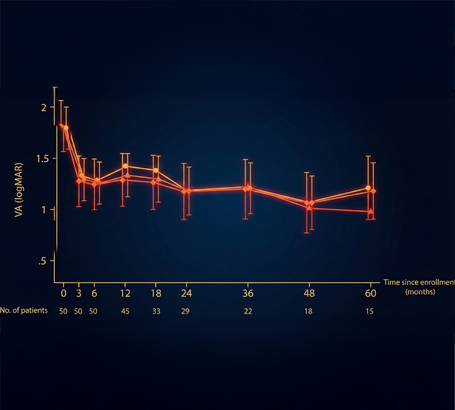
Stable, long-term visual outcomes with predictable refractive correction.
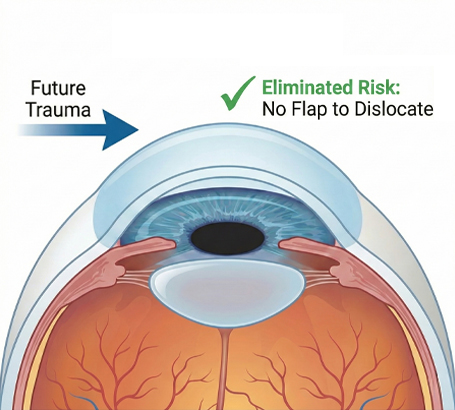
No risk of flap displacement in the event of future eye trauma.
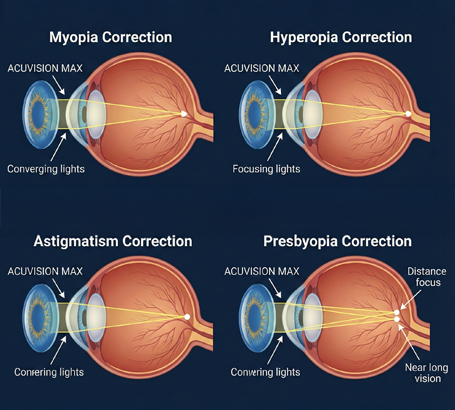
Effective for a wide range of refractive errors.
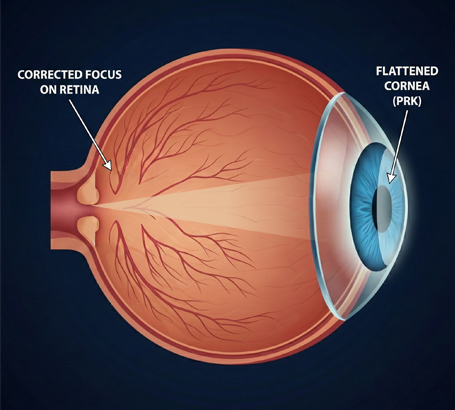
Myopia (nearsightedness): flattens the cornea to improve distance vision
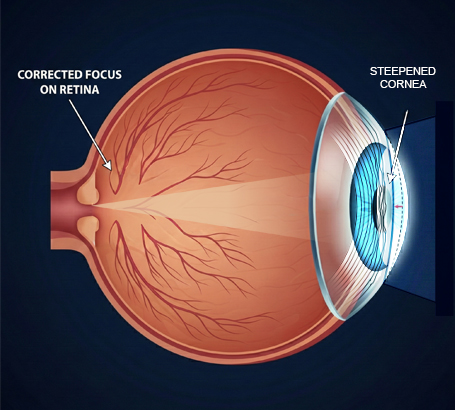
Hyperopia (farsightedness): steepens the cornea to improve near focus
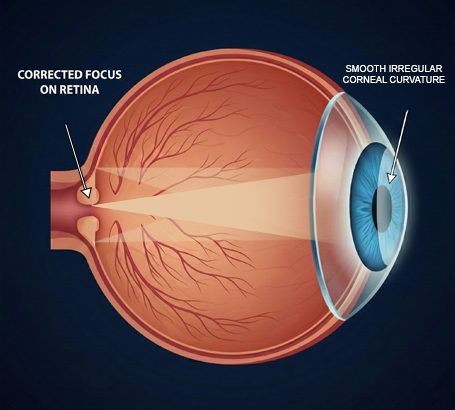
Astigmatism: smooths irregular corneal curvature for clearer vision
Why Choose ASG for PRK?
At ASG, PRK is performed by experienced refractive surgeons using advanced excimer laser platforms and comprehensive diagnostic technology.
We emphasize:
- Thorough pre-operative screening
- Detailed corneal mapping and personalized treatment planning
- Clear counselling about recovery expectations
- Structured post-operative follow-up
Our approach focuses not only on achieving excellent visual outcomes, but also on ensuring a safe procedure and smooth recovery experience for every patient.

Advanced Technology & Treatments at ASG
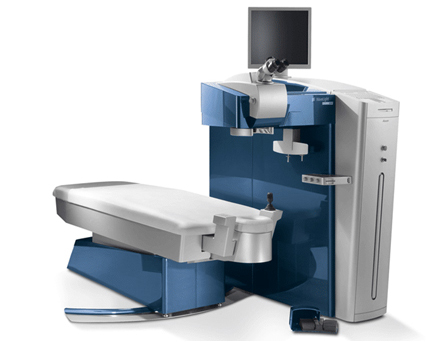
Modern excimer laser systems with customized ablation profiles for precise corneal reshaping
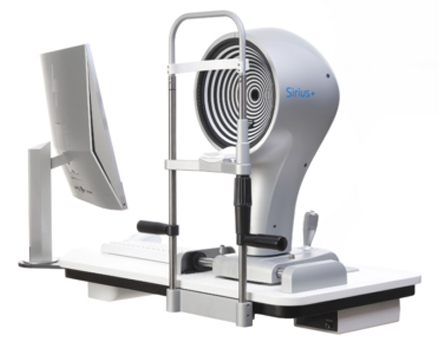
Corneal topography and tomography for detailed surface and structural mapping
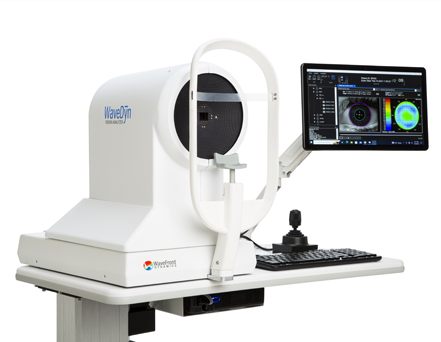
Wavefront-guided technology for correcting higher-order aberrations when indicated
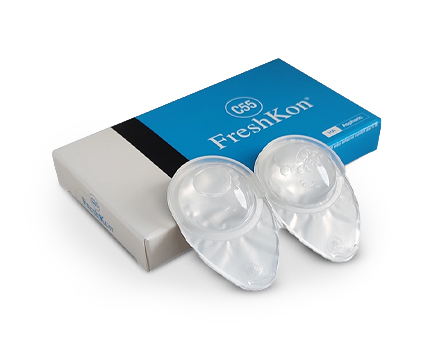
Bandage contact lens protocols and optimized post-operative care to enhance comfort during healing
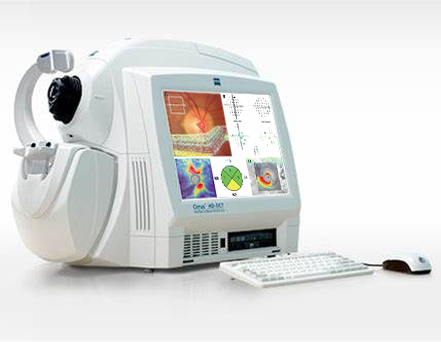
High-resolution OCT imaging for accurate pre- and post-operative corneal assessment



Your PRK Treatment Journey
4
Early Recovery
A bandage contact lens is placed to protect the cornea while the epithelium heals. Eye drops are…
Read More
5
Follow-Up & Stabilization

Book Your Appointment

Submit Your Request
Get a Call from Our Team
Meet Your Specialist
Begin Your Eye Care Journey
Please wait...
Self Booking
Get A Call Back

Vision for All.
Not Just for Some
ASG is growing its network with 200 Vision Centres, delivering affordable eye care to over 4 million people.
Or

Every Angle of Vision.
Every Kind of Care.
Cataract
What do you understand by Cataract? A cataract is an eye condition characterized by the clouding of the natural lens in the eye, leading to vision

Diabetic Retinopathy
What Do You Understand by Diabetic Retinopathy? Diabetic retinopathy is an eye condition, it is caused by diabetes
Cornea
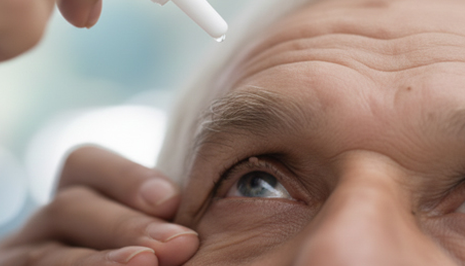
Cornea and Associated Diseases The cornea is the transparent front part of the eye that covers the iris, pupil, and anterior parts of an eye.
Glaucoma
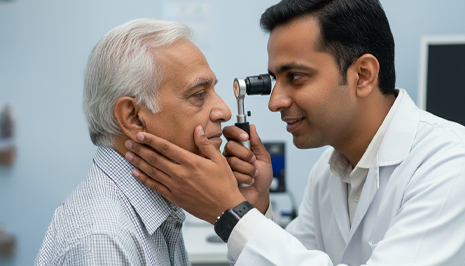
Glaucoma: A Silent Thief of Sight Glaucoma is an eye condition that directly damages the optic nerve (the bundle of nerve fibers that carries..

Neuro-Ophthalmology
What is Neuro-Ophthalmology? Neuro ophthalmology is a combination of super specialty of both neurology and ..
Clear Answers for Better Vision
What is PRK surgery?
PRK (Photorefractive Keratectomy) is a type of laser vision correction surgery used to treat nearsightedness, farsightedness, and astigmatism. Unlike LASIK, which creates a flap in the cornea, PRK removes the thin outer layer (epithelium) of the cornea before reshaping the surface with a laser.
How is PRK different from LASIK?
The main difference is the “Flap.” LASIK involves creating a flap in the corneal tissue, while PRK is a “surface-level” procedure with no flap. This makes PRK an excellent choice for individuals with thin corneas or those whose occupations/hobbies put them at risk of eye injury (like contact sports or military service).
Who is an ideal candidate for PRK at ASG Eye Hospital?
PRK is often recommended for:
Patients with thin corneas who were rejected for LASIK.
Individuals in the Army, Navy, or Police force (where flap-based surgeries may not be allowed).
Athletes involved in contact sports like boxing, MMA, or football.
People with chronic dry eye symptoms.
Why is PRK preferred for defense/military candidates?
Because PRK does not involve creating a permanent corneal flap, there is zero risk of “flap displacement” due to physical trauma. Many defense and aviation medical boards prefer or require PRK for vision correction for this reason.
Is the PRK procedure painful?
The surgery itself is painless as we use numbing eye drops. However, because the surface layer of the cornea needs to regrow, patients may experience some discomfort, watering, or a “gritty” sensation for 3 to 5 days after the procedure. At ASG, we provide specialized “Bandage Contact Lenses” to minimize this discomfort.
How long does it take to see clearly after PRK?
Recovery for PRK is slower than LASIK. Vision is usually blurry for the first 3–5 days as the surface layer heals. Significant improvement is noticed within 1–2 weeks, but your “best” vision may take 3–6 months to fully stabilize.
What is a "Bandage Contact Lens"?
Immediately after PRK surgery, our surgeon places a clear, non-powered contact lens over the eye. This acts as a protective shield while the epithelium (surface layer) regrows, significantly reducing pain and speeding up the healing process.
Are the results of PRK as good as LASIK?
Yes. Studies show that 6 months after surgery, the visual outcomes of PRK are identical to LASIK. The difference is only in the speed of recovery, not the quality of the final vision.
What are the risks of PRK surgery?
While PRK is very safe, potential risks include temporary light sensitivity, haze (cloudiness) during the healing phase, or a longer-than-usual healing time. Our surgeons at ASG use specialized medications during the procedure to prevent haze and ensure a smooth recovery.
Why should I choose ASG Eye Hospital for PRK?
ASG Eye Hospital uses advanced Ablation Profiles that minimize tissue loss and optimize visual quality. Our surgeons are experts in assessing whether PRK, LASIK, or SMILE is the safest option for your specific corneal thickness and lifestyle.