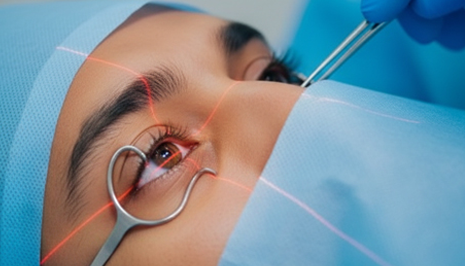
ASG Eye Hospital

Retina Treatment & Surgery Specialists in India

Advanced care for diabetic retinopathy, retinal detachment & macular diseases — trusted by 10 Lakh+ patients across 180+ hospitals.

20 

Years

180+
Hospitals

700+
Eye Specialists

3.0
Crore+ Eyes

What are Retinal Disorders?

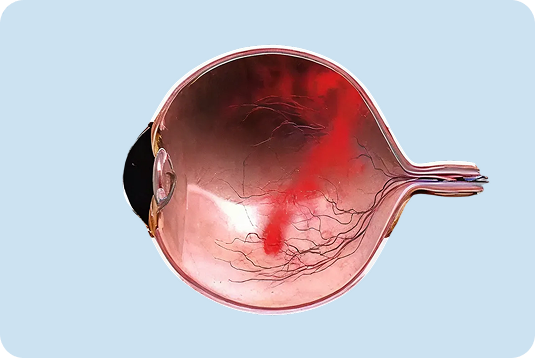
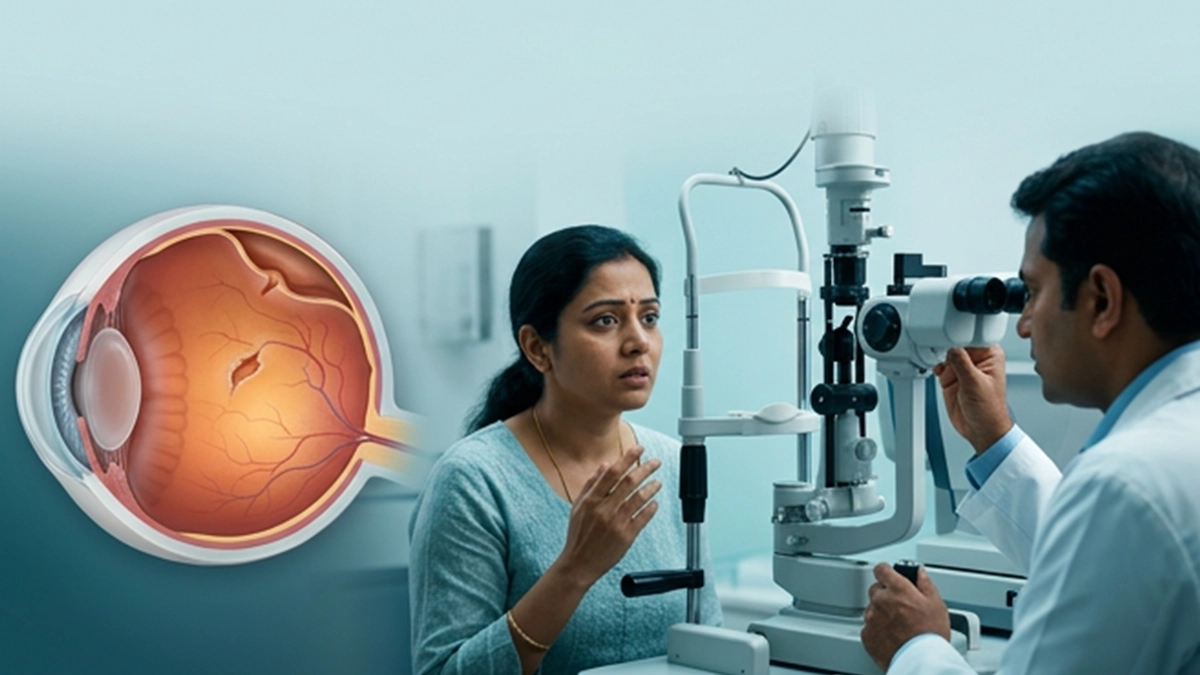
Retinal disorders are conditions that affect the retina, the delicate light-sensitive tissue at the back of the eye, responsible for converting light into the images we see.

When the retina is damaged — due to diabetes, ageing, blocked blood vessels, inflammation, or a tear — it can lead to blurred vision, dark spots, distortion, or even sudden vision loss. Because retinal tissue does not regenerate easily, early diagnosis and timely treatment are essential to prevent permanent damage.

Treatment focuses on:

  • Stopping disease progression
  • Reducing swelling or bleeding
  • Restoring retinal structure
  •  Preserving long-term vision

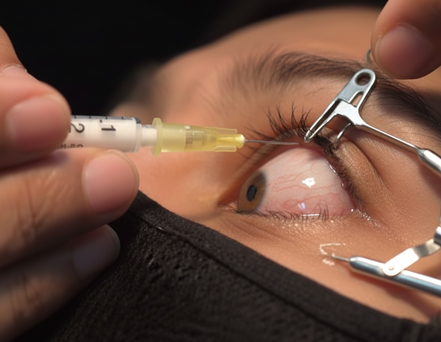
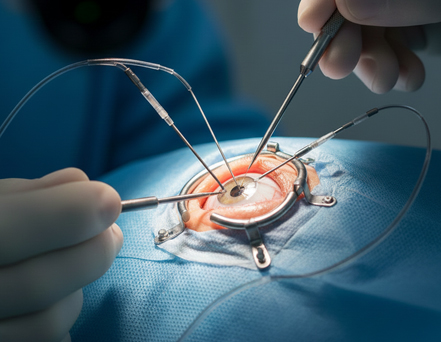
Depending on the condition, management may involve injections, laser treatment, or minimally invasive vitreoretinal surgery.

Retina and Associated Diseases

Treatments for Retina Diseases

Treatment depends on the specific condition and its severity. Options include:

Why Choose ASG for Retina Care?

At ASG, retinal care combines clinical expertise with advanced technology.

We offer:

  • Comprehensive retinal evaluation
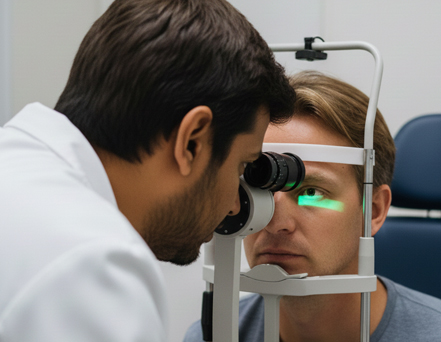
  • Optical Coherence Tomography (OCT)
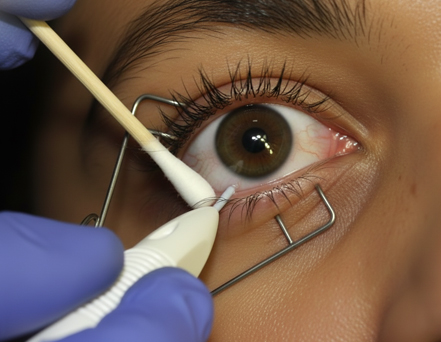
  • Precision laser systems
  • Fully equipped vitreoretinal surgical theatres
  • Safe, minimally invasive procedures
  • In-clinic injection and laser services
  • Structured long-term follow-up programs

Every patient receives a personalised treatment plan designed to protect and preserve vision.

Your Step-by-Step Retina Care Journey

Book Your Appointment

Submit Your Request

Get a Call from Our Team

Meet Your Specialist

Begin Your Eye Care Journey

Please wait...

Self Booking
Get A Call Back

Vision for All.
Not Just for Some

ASG is growing its network with 200 Vision Centres, delivering affordable eye care to over 4 million people.

Or

Retina Diseases Treatment in India – Complete Guide, Symptoms & Care

The retina is the light‑sensitive layer at the back of the eye that enables vision. Any damage to the retina can cause serious eye problems, including permanent blindness, if not treated on time.

At ASG Eye Hospital, our experienced retina specialists provide advanced retina disease treatment in India using modern diagnostic tools, laser procedures, and surgical techniques to preserve and protect your vision.

What Are Retina Diseases?

Retina diseases affect the delicate blood vessels and nerve cells of the retina, disrupting how light signals reach the brain. If untreated, they may lead to:

  • Blurred or distorted vision
  • Blind spots or floaters
  • Sudden vision loss
  • Permanent blindness

Early detection and timely treatment are critical to saving eyesight.

Common Types of Retina Diseases

There are several retinal conditions, each requiring specialized care:

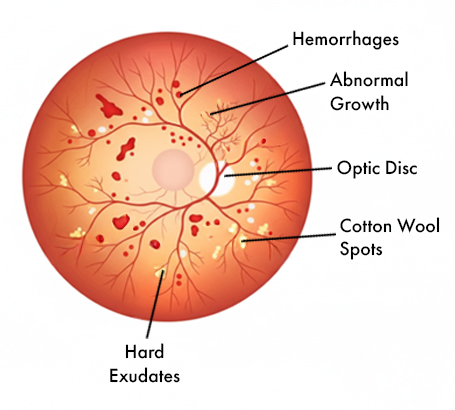
1. Diabetic Retinopathy

  • Caused by diabetes affecting retinal blood vessels

  • Leads to swelling, leakage, and vision loss 

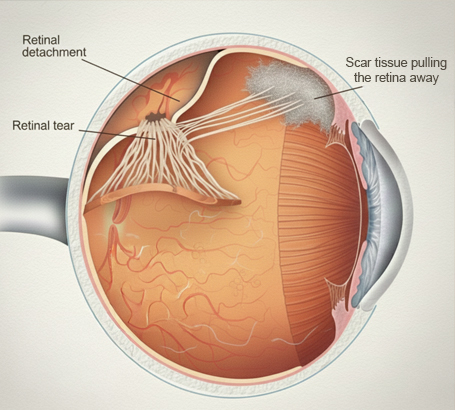
2. Retinal Detachment

  • Retina separates from underlying tissue

  • Requires emergency treatment

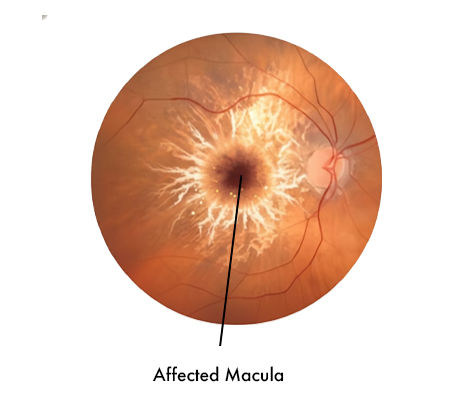
3. Macular Degeneration

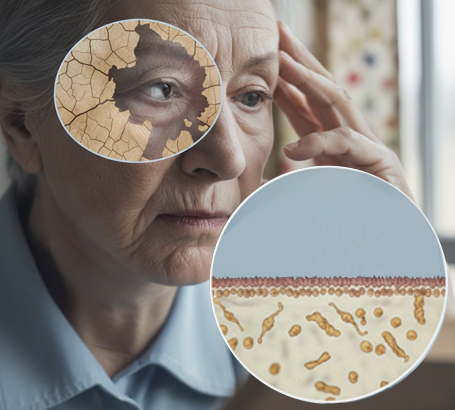
  • Affects central vision (macula)

  • Common in older adults 

4. Retinal Tear

  • Small tear due to vitreous pulling on retina

  • Can lead to detachment if untreated 

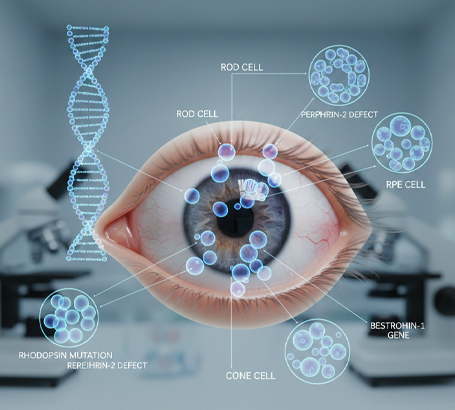
5. Retinitis Pigmentosa

  • Genetic condition causing gradual vision loss

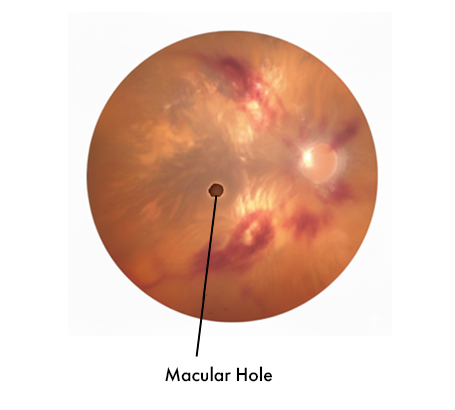
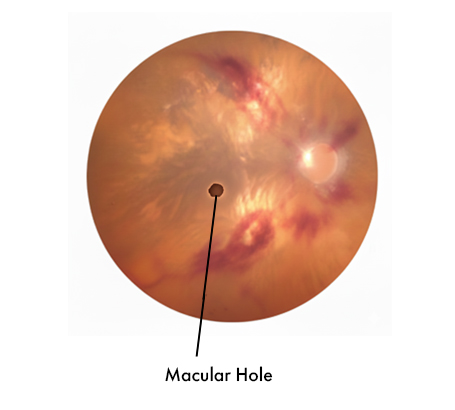
6. Macular Hole / Epiretinal Membrane

  • Distorts central vision

  • Affects daily activities like reading

Clear Answers for Better Vision

What are retinal diseases and how do they affect vision?

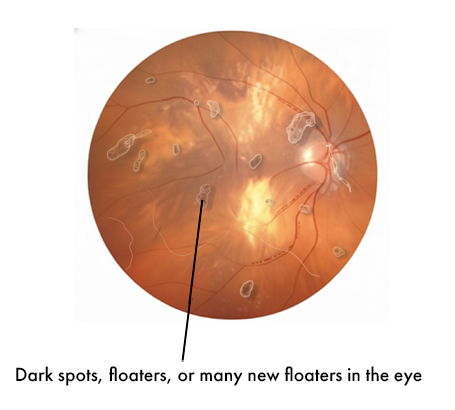
Retinal diseases are conditions that affect the retina — the light-sensitive layer at the back of the eye that helps you see. Damage to the retina can cause blurred vision, floaters, dark spots, or sudden vision loss if not treated early.

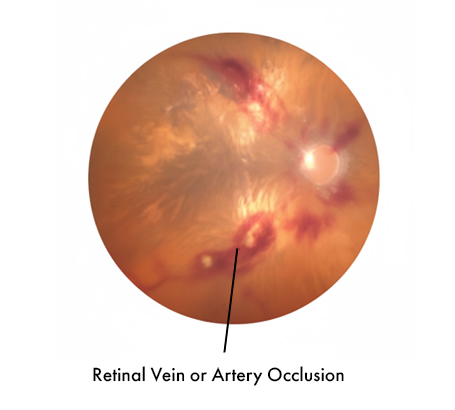
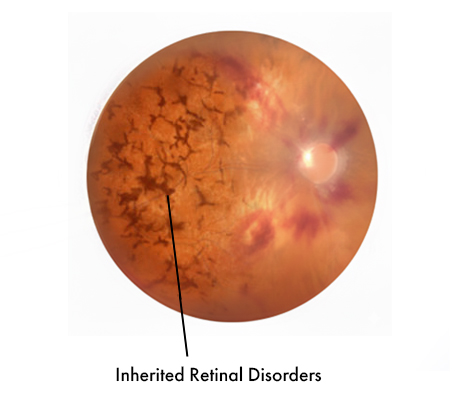
Common retinal disorders include diabetic retinopathy, age-related macular degeneration (AMD), retinal detachment, macular edema, retinal vein/artery occlusion, and inherited retinal diseases like retinitis pigmentosa.

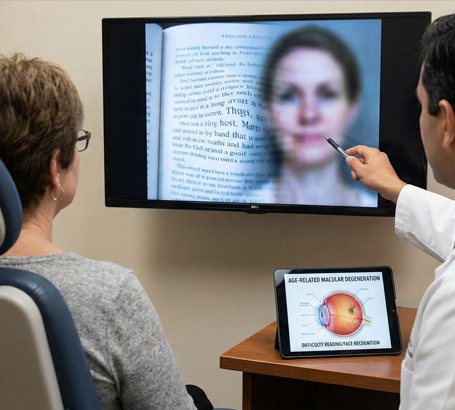
Symptoms may include sudden or gradual blurred vision, floaters, flashes of light, distorted or wavy vision, shadows in vision, or difficulty reading/recognizing faces.
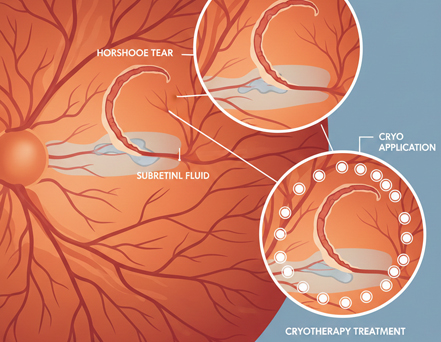
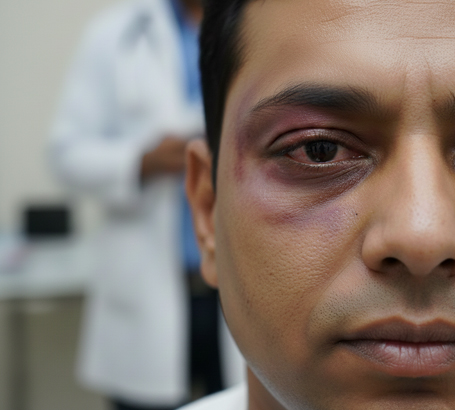
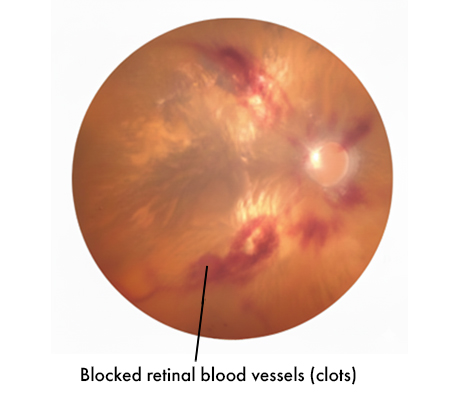
Causes include poorly controlled diabetes, aging, high myopia (severe nearsightedness), eye injury, blocked retinal blood vessels, genetic conditions, and inflammation or infection inside the eye.

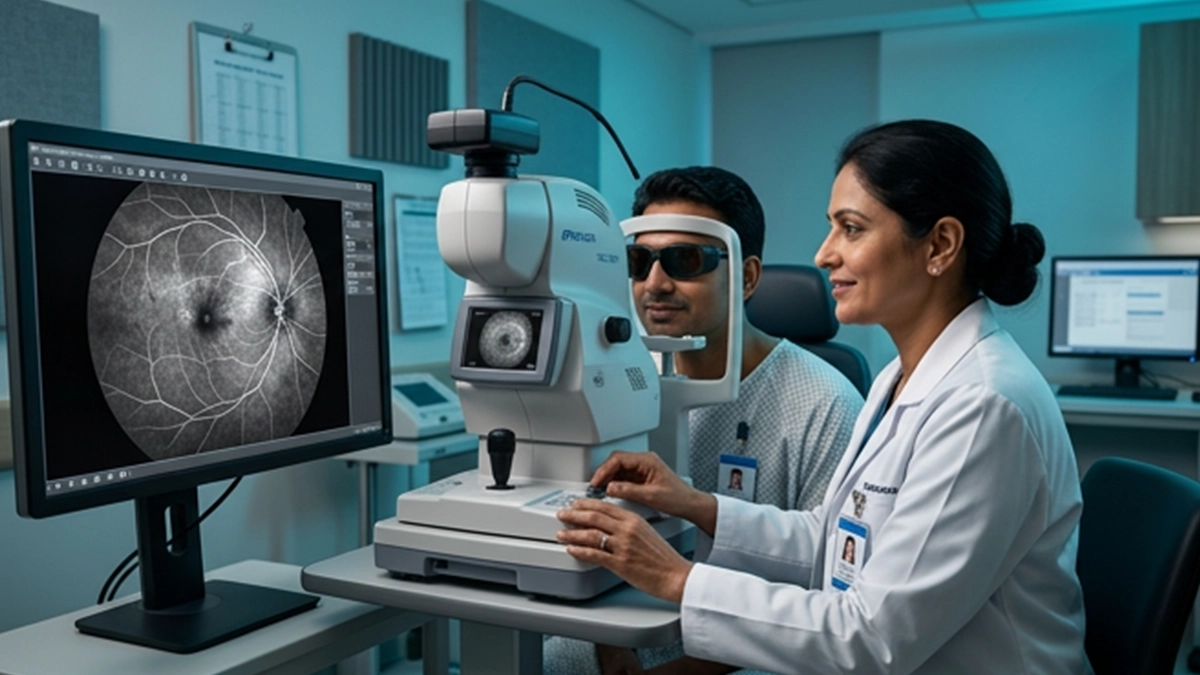
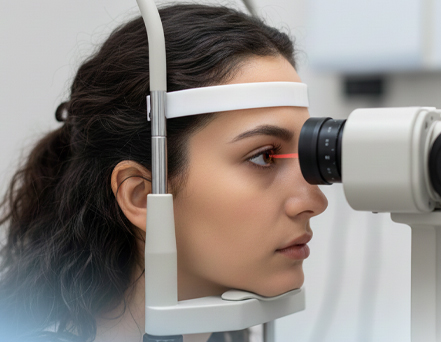
Diagnosis typically involves a comprehensive eye exam with tests such as OCT (retinal scan), fundus photography to pinpoint exactly what part of the retina is affected.

Yes depending on the condition, treatments include intravitreal injections to reduce swelling, laser therapy to seal leaking vessels, and medications. Not all cases require surgery.
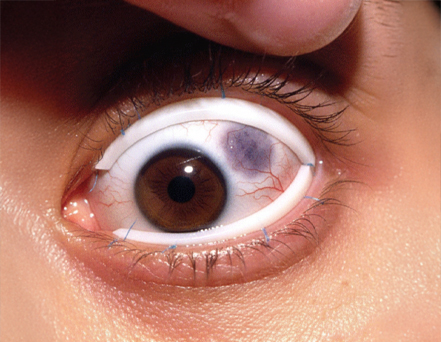
Surgery (like vitrectomy or scleral buckling) may be necessary for advanced cases such as retinal detachment or when other treatments don’t improve vision.

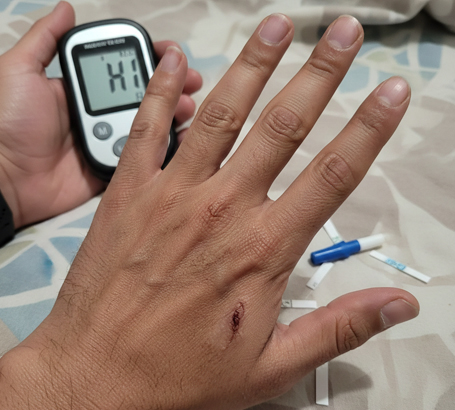
Diabetic retinopathy is a retina disease caused by diabetes damaging tiny blood vessels. Treatment may include strict blood sugar control, laser therapy, injections, or surgery in advanced stages.

AMD cannot be completely cured, but early diagnosis and treatment can slow progression and preserve central vision. Options may include injections, laser procedures, or lifestyle changes.

If you have diabetes, high blood pressure, high myopia, or a family history of retinal diseases, regular retina exams (often yearly or more frequent) are recommended to catch changes early.

You can book online through the ASG Eye Hospital website, call the toll-free number, or visit any ASG location — and the team will help you schedule a retina specialist appointment.

Every Angle of Vision.
Every Kind of Care.

Overview

Job Title: Consultant Ophthalmologist

Location: Jaipur, Rajasthan

Job Category: Technical/ IT Support

Work Employment:  Full time

What you work:

  • Diagnose and treat patients with a focus on Ophthalmologist.
  • Collaborate with senior doctors and multidisciplinary teams.
  • Ensure patient-centric care and follow clinical protocols.
  • Contribute to research, training, or hospital initiatives (if applicable).

Mandatory skills:

  • Relevant medical degree / certification.
  • Strong knowledge of ophthalmology practices / healthcare protocols.
  • Excellent communication and patient-handling skills.
  • Ability to work in fast-paced healthcare environments.

Preferred Qualifications:

  • Experience: 3 to 6 years of experience
  • Prior experience in eye care / multi-speciality hospitals.
  • Fellowship or advanced training in Ophthalmologist.
  • Familiarity with advanced diagnostic tools and surgical techniques.
  • Passion for innovation, patient care, and continuous learning.

Apply For This Positions

This will close in 0 seconds