
Glaucoma (Kala Motia) Treatment & Surgery Specialists
Protect your vision with advanced glaucoma care — trusted by 10 Lakh+ patients across 180+ hospitals.”

20
Years
180+
Hospitals

700+
Eye Specialists

3
Crore+ Eyes



What is Glaucoma (Kala Motia)?
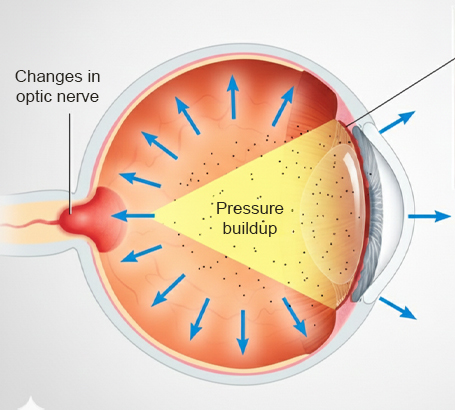
Glaucoma, also known as kala motia, is a group of eye diseases that damage the optic nerve, most commonly due to increased intraocular pressure (eye pressure). The optic nerve is essential for vision, and its damage can lead to permanent vision loss.
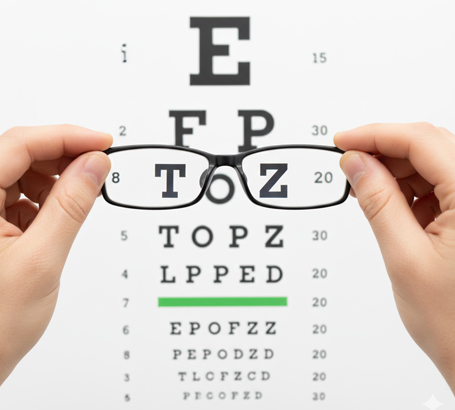
In most cases, glaucoma gradually affects peripheral (side) vision first and often develops without pain or early warning signs. If not detected and treated in time, it can result in irreversible blindness.
Although glaucoma cannot be cured or reversed, early diagnosis and timely treatment can effectively control eye pressure and help preserve remaining vision. Treatment may include medicated eye drops, laser procedures, or surgery, depending on the type and stage of the condition.
Regular comprehensive eye check-ups are strongly recommended, especially for individuals above 40 years of age or those with a family history of glaucoma.
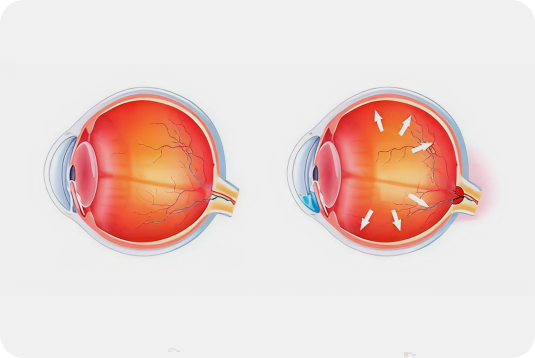



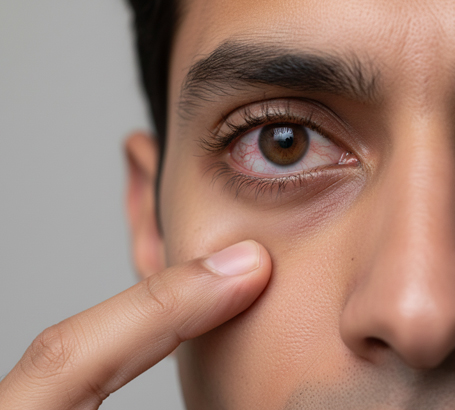


Primary Open-Angle Glaucoma The most common type. It develops slowly and painlessly due to reduced drainage of eye fluid, leading to gradual optic nerve damage.
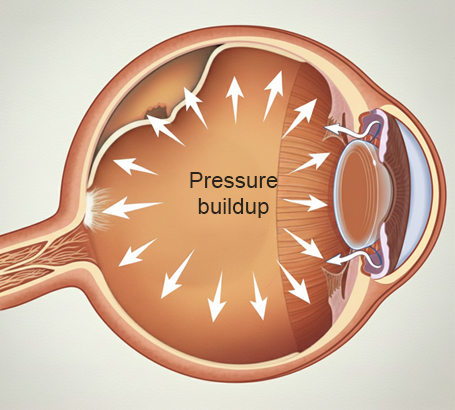
Angle-Closure Glaucoma Occurs when the drainage angle suddenly becomes blocked, causing a rapid rise in eye pressure. This is a medical emergency requiring immediate treatment.
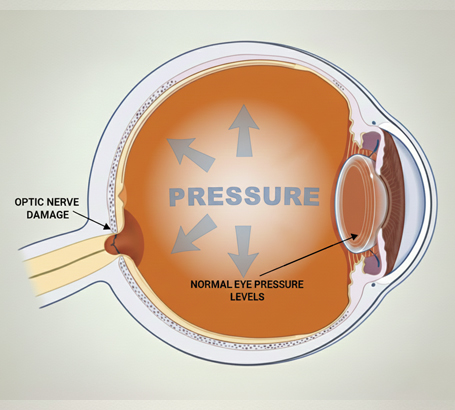
Normal-Tension Glaucoma Optic nerve damage occurs even when intraocular pressure is within normal range.
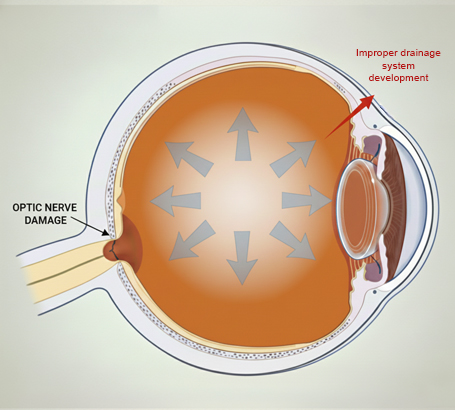
Congenital Glaucoma Present at birth due to improper development of the eye’s drainage system.
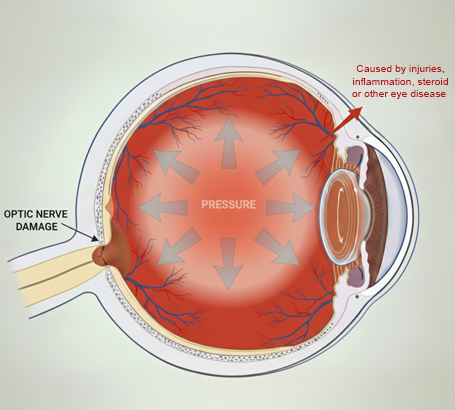
Secondary Glaucoma Develops as a result of eye injury, inflammation, prolonged steroid use, or complications of other eye conditions (such as advanced diabetic retinopathy).
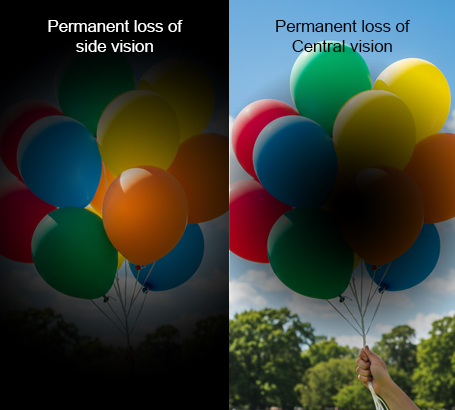
Permanent loss of peripheral vision

Difficulty reading, driving, or navigating
Progressive central vision loss
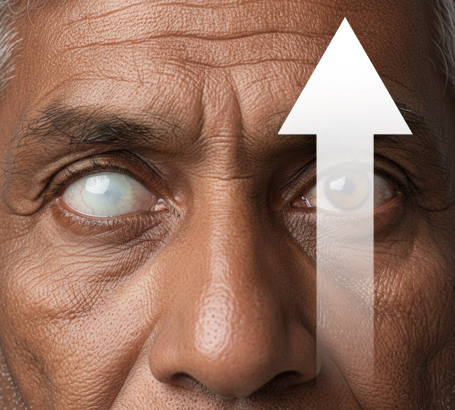
Increased risk of complete blindness
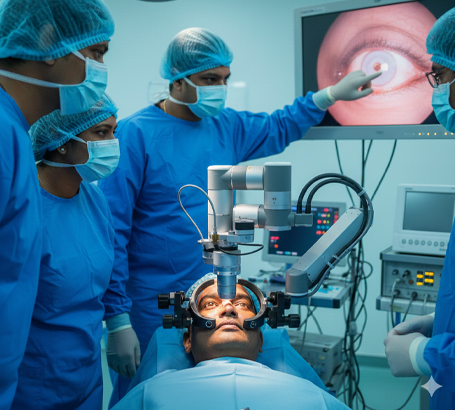
Need for more complex surgical treatment in advanced stages



Treatment Options for Glaucoma
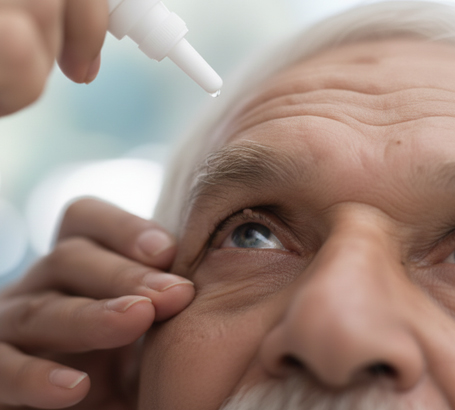
Medicated Eye Drops
First-line treatment to lower intraocular pressure and prevent further optic nerve damage.
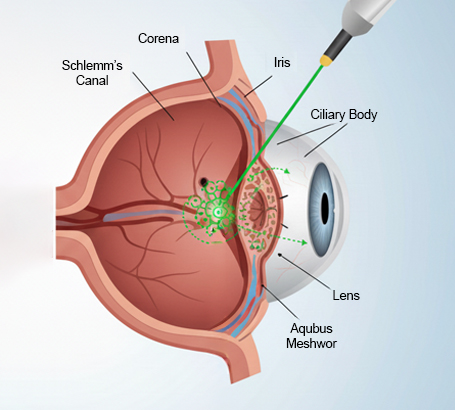
Laser Treatment
- Trabeculoplasty – Improves drainage in open-angle glaucoma.
- Iridotomy – Creates a small opening to relieve pressure in angle-closure glaucoma.
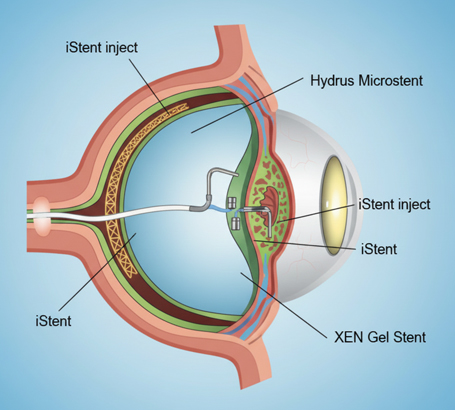
Minimally Invasive Glaucoma Surgery (MIGS)
Advanced, lower-risk procedures suitable for early to moderate glaucoma.
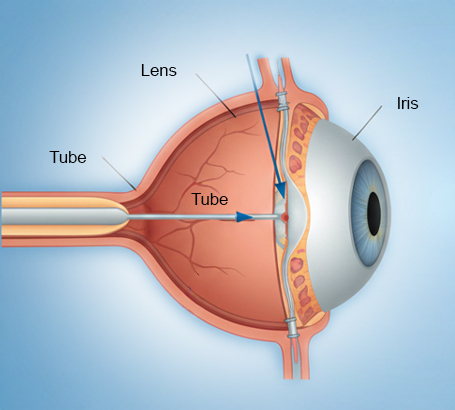
Trabeculectomy / Glaucoma Drainage Devices
Surgical procedures used in advanced or uncontrolled glaucoma to effectively reduce eye pressure.

Advanced Technologies for Glaucoma Care at ASG
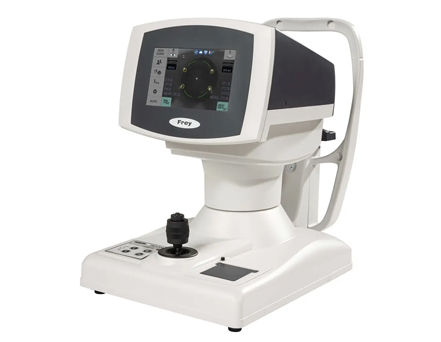
Tonometry & Pachymetry
Measures intraocular pressure and corneal thickness for accurate diagnosis.
-
Quick and generally comfortable
-
Minimal recovery time required
-
Essential for glaucoma screening
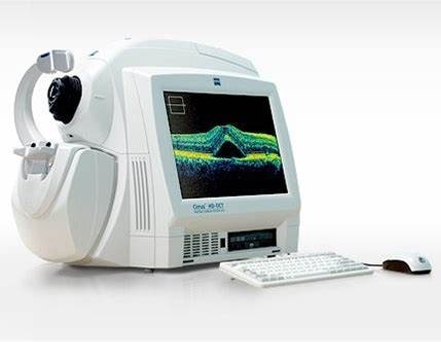
Optical Coherence Tomography (OCT)
Provides high-resolution imaging of the optic nerve.
-
Detects early nerve damage
-
Tracks disease progression
-
Guides treatment decisions
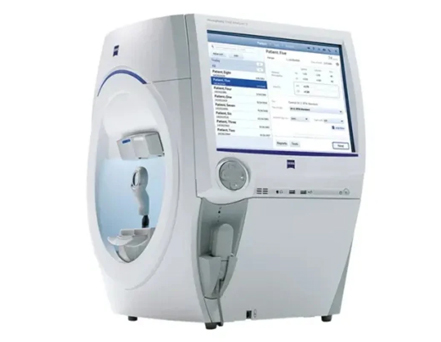
Visual Field Testing (Perimetry)
Evaluates peripheral vision loss.
-
Detects functional changes
-
Monitors treatment effectiveness
-
Essential for long-term follow-up


Your Step-by-Step Glaucoma Care Journey
- Eye pressure measurement
- Optic nerve examination
- Visual field testing
- Risk factor assessment and disease staging
Consultation & Screening
1
- Personalized treatment plan (eye drops, laser, or surgery)
- Clear explanation of treatment goals and expectations
Treatment Planning
2
- Outpatient procedures when required
- Use of advanced, patient-friendly techniques
Treatment & Monitoring
3
- Regular pressure monitoring
- Ongoing optic nerve evaluation
- Treatment adjustments as needed
Long-Term Follow-up
4
- Eye pressure check, optic nerve evaluation, visual field test.
- Understanding risk factors and severity.
Consultation & Screening
1
- Eye drops, laser or surgery based on stage.
- Clear guidance on usage and expectations.
Treatment Planning
2
- Quick outpatient procedures if required.
- Comfort-focused approach with advanced techniques.
Treatment & Monitoring
3
- Regular check-ups to maintain pressure control.
- Ongoing monitoring to protect remaining vision.
Long-Term Follow-up
4

Book Your Appointment

Submit Your Request
Get a Call from Our Team
Meet Your Specialist
Begin Your Eye Care Journey
Please wait...
Self Booking
Get A Call Back

Vision for All.
Not Just for Some
ASG is growing its network with 200 Vision Centres, delivering affordable eye care to over 4 million people.
Or
Glaucoma Treatment in India – Complete Guide, Symptoms, Types & Care
Glaucoma is a serious eye condition that can lead to permanent vision loss if not treated on time. It is often called the “silent thief of sight” because it progresses without noticeable symptoms in early stages.
At ASG Eye Hospital, we offer advanced glaucoma treatment in India with expert specialists, modern diagnostic tools, and personalized care to protect your vision.
What is Glaucoma?
Glaucoma is a group of eye diseases that damage the optic nerve, usually due to increased eye pressure (intraocular pressure).
If left untreated, glaucoma can cause:
- Gradual loss of peripheral vision
- Tunnel vision in advanced stages
- Irreversible blindness
Early detection is key to preventing vision loss.
When Should You Consult a Glaucoma Specialist?
Glaucoma often shows no early warning signs, so regular eye check-ups are important—especially if you are at risk.
You should consult an eye doctor if you experience:
- Loss of side (peripheral) vision
- Eye pain or pressure
- Blurred vision
- Halos around lights
- Sudden vision loss (emergency case)
High-risk groups include:
- People above 40 years
- Family history of glaucoma
- Diabetes or high blood pressure patients
- Long-term steroid users
Types of Glaucoma
Different types of glaucoma require different treatment approaches:
1. Open-Angle Glaucoma
Most common type
Slow and painless vision loss
Detected through routine eye exams
2. Angle-Closure Glaucoma
Sudden increase in eye pressure
Severe eye pain, headache, nausea
Requires immediate medical attention
3. Normal-Tension Glaucoma
Optic nerve damage despite normal eye pressure
4. Congenital Glaucoma
Present in infants or young children
Requires early surgical intervention
Glaucoma Treatment Options
The goal of glaucoma treatment is to reduce eye pressure and prevent further vision damage.
1. Medications (Eye Drops)
First line of treatment
Helps control intraocular pressure
2. Laser Treatment
Minimally invasive
Improves fluid drainage from the eye
3. Glaucoma Surgery
Recommended in advanced cases
Includes trabeculectomy or drainage implants
At ASG Eye Hospital, treatment is customized based on disease stage and patient condition.
Glaucoma Treatment Cost in India
The cost of glaucoma treatment in India depends on the type and severity of the condition.
Factors Affecting Cost:
Type of treatment (medication, laser, or surgery)
Stage of glaucoma
Technology used
Hospital location
Estimated Cost:
Medications: ₹1,000 – ₹5,000/month
Laser Treatment: ₹10,000 – ₹25,000
Glaucoma Surgery: ₹40,000 – ₹1,50,000
We ensure affordable and transparent pricing for all patients.
Pre & Post Treatment Care
Proper care helps slow disease progression and protect vision.
Before Treatment:
Comprehensive eye examination
Eye pressure measurement
Optic nerve evaluation
After Treatment:
Use prescribed eye drops regularly
Attend follow-up check-ups
Avoid skipping medication
Maintain a healthy lifestyle
Note: Glaucoma damage cannot be reversed, but it can be controlled with proper treatment.
Why Choose ASG Eye Hospital for Glaucoma Treatment?
Experienced glaucoma specialists
Advanced diagnostic and treatment technology
Early detection programs
Personalized patient care
High success rates
ASG Eye Hospital is committed to protecting your vision with world-class glaucoma care.
Looking for Glaucoma Treatment Near Me?
If you are searching for glaucoma treatment near me, ASG Eye Hospital offers expert care across multiple locations in India.
Book your glaucoma screening today and prevent vision loss before it’s too late.
Clear Answers for Better Vision
What is glaucoma?
Glaucoma is a group of eye conditions that damage the optic nerve, the vital link between the eye and the brain. This damage is often caused by abnormally high pressure inside the eye (intraocular pressure) and is one of the leading causes of blindness for people over the age of 60.
What causes glaucoma?
Glaucoma typically occurs when the fluid in the eye (aqueous humor) does not drain properly. This fluid buildup increases internal eye pressure, which eventually damages the optic nerve fibers. However, glaucoma can also occur in individuals with “normal” eye pressure, a condition known as Normal-Tension Glaucoma.
Who is at risk for developing glaucoma?
The risk of glaucoma increases if you:
Are over the age of 40 or 60.
Have a family history of the condition.
Have medical conditions such as diabetes, high blood pressure, or heart disease.
Are highly nearsighted (myopia) or farsighted (hyperopia).
Have used corticosteroid medications for a long period.
What are the symptoms of glaucoma?
Glaucoma is often called the “Silent Thief of Sight” because early stages usually show no symptoms. As it progresses, you may notice:
Gradual loss of peripheral (side) vision, leading to “tunnel vision.”
Seeing halos around lights.
Blurry or hazy vision.
Acute Warning: Severe eye pain, headache, nausea, and sudden blurred vision (this is a medical emergency known as Acute Angle-Closure Glaucoma).
How is glaucoma diagnosed at ASG Eye Hospital?
Early diagnosis is the only way to prevent vision loss. At ASG, we use a combination of advanced tests:
Tonometry: To measure your internal eye pressure.
HFA (Humphrey Field Analyzer): To map your peripheral vision.
OCT (Optical Coherence Tomography): To get high-definition 3D images of your optic nerve.
Gonioscopy: To inspect the drainage angle of your eye.
Can glaucoma be prevented?
While you cannot prevent the onset of glaucoma, you can prevent blindness through early detection. Regular, comprehensive eye exams at an ASG branch allow us to catch the disease in its earliest stages and start treatment before any permanent vision loss occurs.
What are the treatment options at ASG?
While existing damage cannot be reversed, we can effectively manage the condition to preserve your remaining sight:
Medicated Eye Drops: The most common first step to lower eye pressure.
Laser Therapy (SLT/YAG): A painless procedure to improve fluid drainage.
Glaucoma Surgery (Trabeculectomy): Advanced surgical procedures to create a new drainage path for eye fluid when drops or lasers are not enough.
Are glaucoma treatments painful?
No. Eye drops are simple to apply, and laser treatments are performed using numbing drops, causing minimal to no discomfort. If surgery is required, it is performed under local anesthesia to ensure you feel no pain during the procedure.
Can vision loss from glaucoma be reversed?
Unfortunately, no. Vision lost to glaucoma is permanent because the optic nerve cannot regenerate. This is why our focus at ASG Eye Hospital is on early intervention—to stop the disease in its tracks and protect the vision you still have.
How often should I be tested for glaucoma?
We recommend a comprehensive glaucoma screening every 1–2 years once you reach age 40. However, if you have a family history or other risk factors, our specialists may recommend a check-up every 6 to 12 months to monitor your eye health closely.

Every Angle of Vision.
Every Kind of Care.
Cataract
What do you understand by Cataract? A cataract is an eye condition characterized by the clouding of the natural lens in the eye, leading to vision

LASIK Surgery
What is LASIK Surgery? LASIK (Laser-Assisted In Situ Keratomileusis) or laser eye treatment is a popular laser eye surgery technique that is used to …

Diabetic Retinopathy
What Do You Understand by Diabetic Retinopathy? Diabetic retinopathy is an eye condition, it is caused by diabetes
Cornea
Cornea and Associated Diseases The cornea is the transparent front part of the eye that covers the iris, pupil, and anterior parts of an eye.
Refractive Surgeries
What Do you Understand by Refractive Surgeries Refractive surgeries are a group of surgical procedures designed to improve or correct vision by resha…

Pediatric Ophthalmology
What is Pediatric Ophthalmology? Pediatric ophthalmology is a subspecialty of ophthalmology, that focuses on children’s eye health. It involves diagn…

Retina Diseases
Retina and Associated Diseases The retina is a thin layer of tissue at the back of the eye that plays a crucial role in vision. It contains cells, &n…

Neuro-Ophthalmology
What is Neuro-Ophthalmology? Neuro ophthalmology is a combination of super specialty of both neurology and ..
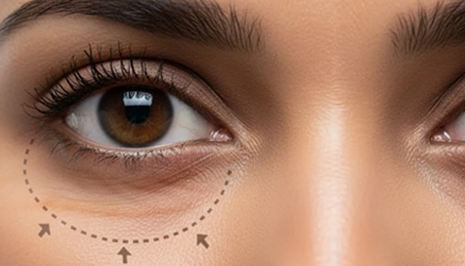
Oculoplasty
What is Oculoplasty? Oculoplasty, also known as oculoplastic surgery is a specialized branch of ophthalmology that focuses on the disease diagnosis
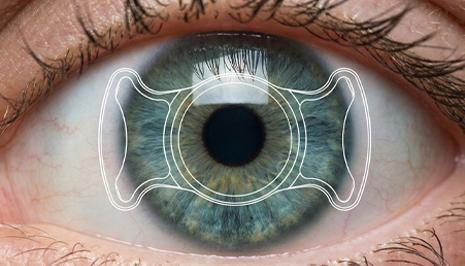
ICL Surgery
What is ICL Eye Surgery? ICL or Implantable Collamer Lens surgery is a type of refractive surgery, in which an artificial lens is implanted in the ey…

Contoura Lasik
What is Contoura Vision? Contoura vision is a laser vision correction technique also called topography-guided LASIK surgery. This is the most advance…
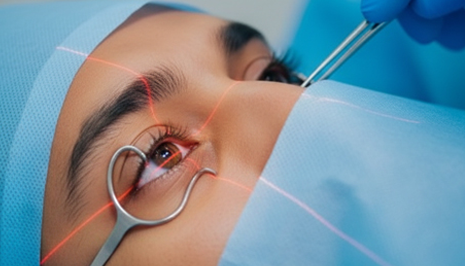
PRK Surgery
What is Photorefractive Keratectomy?
Photorefractive keratectomy is a type of laser eye surgery, that is used to treat refractive errors, Nearsightedness (myopia), Farsightedness (hyperopia), and Astigmatism) with an excimer laser (A computer-generated, cold laser beam),