Presbyopia: Symptoms, Causes & Treatment
Who is at Risk?
Presbyopia is an inevitable phenomenon in old age, and virtually all people will experience this condition in their lifetime. Still, some factors may cause early signs of presbyopia and increase the severity of the problem.
People above 40 years are more prone to developing presbyopia. Prolonged periods of reading or spending time in front of computers and digital screens can hasten the appearance of presbyopia symptoms. Other causes of early signs of presbyopia include medical conditions like diabetes and heart diseases and the use of specific drugs.
People searching for presbyopia correction, eye treatment for near vision, or reading glasses removal surgery should undergo a complete eye examination at the earliest.
Treatments Available at ASG
LASIK
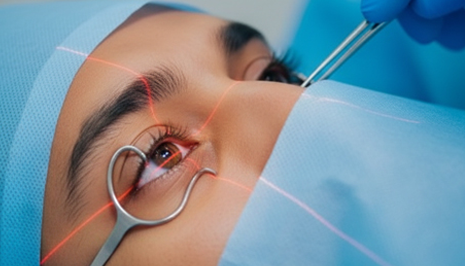
A highly innovative treatment offered today is Presbyopia LASIK surgery. It involves the use of advanced laser technologies to reshape the cornea and enhance both near and far vision depending on individual eye health status.
The procedure takes just a few minutes to complete, and most patients experience an immediate enhancement in their vision within a short time frame. The recovery period is relatively short, permitting individuals to engage in their normal routines after just a couple of days.
Individuals typically select this form of LASIK eye surgery for presbyopia since it eliminates their need for reading glasses and provides permanent effects.
SMILE Eye Surgery
This minimally invasive treatment might work for certain individuals having refractive problems and some concerns related to early presbyopia.
The procedure entails making a small incision on the cornea and removing a layer of tissue to enhance vision quality. Unlike conventional LASIK treatments, SMILE eye surgery causes less dryness and rapid stabilization of the cornea.
Most professionals opt for this treatment because it ensures comfort and faster healing times.
Photorefractive Keratectomy (PRK)
Photorefractive Keratectomy is a reliable type of laser eye surgery, especially suitable for patients with thin corneas, who cannot be candidates for LASIK surgery.
The procedure involves removing the corneal surface to reshape the inner layers with a laser. The healing time is somewhat longer than for LASIK or SMILE, yet PRK surgery for presbyopia is still a secure way of correcting vision.
It may improve visual function and decrease the need to wear corrective eyewear among appropriate presbyopic patients.
Refractive Lens Exchange (RLE)
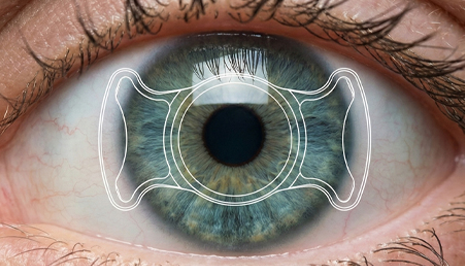
One of the best recommended methods to correct advanced presbyopia is Refractive Lens Exchange (RLE surgery).
In RLE surgery, the natural lens of the eye is replaced with a new intraocular lens, which will give improved near vision, intermediate and distance vision.
It is highly suitable for elderly patients older than 45 years or for those having some cataract at early stages.
Most specialists consider RLE surgery for presbyopia to be the best long-term solution for permanent vision correction.
Which Presbyopia Treatment is Best for You?
Presbyopia Surgery Cost in India
The cost of the presbyopia surgical correction varies according to the type of procedure, equipment involved, surgeon experience, and health status of the patient.
Some common procedures include LASIK, SMILE, and PRK which normally cost between ₹25,000 and ₹1,00,000 per eye. Some premium lens procedures like RLE may prove costly due to the use of advanced intraocular lenses.
Anyone seeking to identify the best surgery for presbyopia in India must first conduct a comprehensive eye examination.
Advantages of LASIK Eye Surgery for Presbyopia
There are several benefits of performing LASIK surgery for presbyopia correction. First, there will be less reliance on reading glasses and bifocal lenses. Daily tasks like looking at food labels, browsing through mobile phones, operating the computer screen, and driving become easier.
The other significant benefit is the improvement in one’s quality of life due to consistent vision clarity.
Eligible Candidates
Candidates who can undergo presbyopia eye surgery should be at least 40 years old, have stable vision, and good eye health.
A corneal condition plays a vital role when opting for laser vision correction surgery. Individuals suffering from excessive dry eye syndrome, late-stage glaucoma, uncontrollable diabetes, retinal problems, or cataract conditions might need different methods rather than LASIK and SMILE surgeries.
Recovery Timeframe
Depending on the operation carried out, recovery differs in length.
In the case of the LASIK procedure or SMILE eye surgery, vision will be noticeably improved within a day or two. Recovery from PRK surgery takes longer than other procedures and requires weeks for stabilization of the eyesight.
When it comes to RLE surgery, most patients can see some improvement in their vision within a few days, although total adaptation to the vision change takes weeks.
Risk Factors
Currently, the treatment of presbyopia through advanced laser eye surgery is highly advanced and very safe with an expertly operated procedure by qualified doctors.
Side effects like minor irritation, dry eyes, glare, or halos may happen temporarily but will eventually fade away.
Why Choose ASG for Treatment Presbyopia
Advanced Technology
We at ASG have advanced diagnostic technology along with modern lasers to offer customized treatment options to our patients.
Experienced Doctors
Our ophthalmologists will examine your eye condition carefully and recommend the most effective treatment to help you correct your vision permanently.
Trusted Name
Our clinic offers you quality services, ensuring that we put our patient’s safety first.