Amblyopia (Lazy Eye): Causes, Symptoms & Treatment
Types of Amblyopia
Amblyopia is classified based on its cause:
1. Strabismic Amblyopia
Occurs due to misalignment of the eyes (crossed or wandering eyes).
2. Refractive Amblyopia
Caused by unequal vision (power difference) between both eyes.
3. Deprivation Amblyopia
Occurs when something blocks light from entering the eye, such as cataract.
Symptoms of Amblyopia
Amblyopia symptoms are often difficult to detect, especially in children.
Common signs include
- One eye drifting inward or outward
- Poor depth perception
- Squinting or closing one eye
- Head tilting
- Difficulty focusing
- Poor vision in one eye
In many cases, lazy eye is detected only during a routine eye examination.
Causes of Amblyopia
Amblyopia develops due to abnormal visual development in early childhood.
Main Causes
- Eye muscle imbalance (strabismus)
- Difference in refractive power between eyes
- Cataract or droopy eyelid blocking vision
- Uncorrected vision problems (myopia, hyperopia, astigmatism)
When one eye sends unclear images, the brain begins to ignore it, leading to lazy eye.
Risk Factors
Children are at higher risk if they:
- Are born prematurely
- Have a family history of amblyopia
- Have developmental delays
- Have eye conditions like cataract or squint
Diagnosis of Amblyopia
Early diagnosis is crucial for effective treatment.
Common Tests Include:
- Visual acuity test
- Eye alignment test
- Refraction test
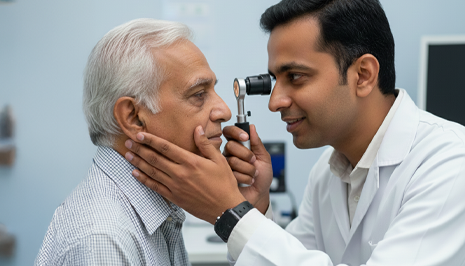
- Dilated eye examination
Doctors recommend a complete eye check-up between ages 3 to 5 for early detection.
Treatment Options for Amblyopia
Amblyopia treatment focuses on strengthening the weaker eye and improving coordination with the brain.
1. Eyeglasses or Contact Lenses
Correct refractive errors causing vision imbalance.
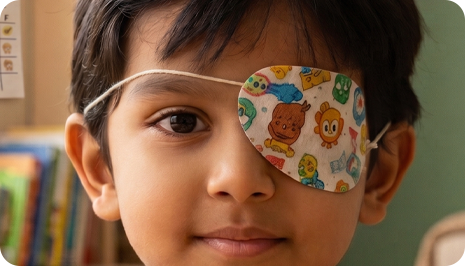
2. Eye Patching
Covering the stronger eye forces the brain to use the weaker eye.
3. Atropine Eye Drops
Used to temporarily blur vision in the stronger eye.
4. Vision Therapy
Exercises to improve eye coordination and focus.
5. Surgery
Recommended in cases of cataract, droopy eyelid, or severe squint.
At ASG Eye Hospital, pediatric eye specialists provide early diagnosis and customized treatment plans to ensure the best visual outcomes.
Complications if Left Untreated
If not treated early, amblyopia can lead to:
- Permanent vision loss
- Poor depth perception
- Difficulty in daily activities
- Increased risk of blindness in one eye
Amblyopia in Children
Amblyopia usually develops from birth up to 7 years of age. Early treatment is highly effective because the brain is still developing.
Parents should watch for
- Eye misalignment
- Difficulty reading
- Poor hand-eye coordination
Can Amblyopia Be Treated in Adults?
While treatment is most effective in childhood, newer therapies and vision training techniques can also improve vision in older children and adults, although results may vary.
Prevention & Eye Care Tips
- Schedule regular eye check-ups for children
- Detect and treat vision problems early
- Ensure proper use of prescribed glasses
- Avoid delaying treatment
Why Choose ASG Eye Hospitals for Amblyopia Treatment?
- Expert pediatric ophthalmologists
- Advanced diagnostic technology
- Personalized treatment approach
- Early intervention programs
- Presence across multiple cities in India