Who is at Risk?
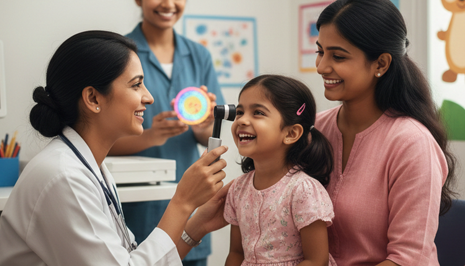
There is no age limit to myopia, but certain factors make individuals more prone to the condition. For instance, if your parents have myopia, there are high chances that you will have myopia too. Spending most of your time in front of digital screens and reading books without engaging in adequate outdoor activities makes you more susceptible to myopia.
Your lifestyle may determine whether you develop myopia. Lack of adequate sun exposure, constant use of digital devices, and poor visual hygiene may worsen the condition. Getting your eyes checked regularly is critical, particularly during childhood and adolescence.
Treatment Options at ASG
LASIK
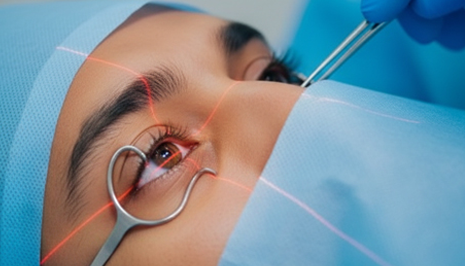
LASIK is the most common procedure used to correct myopia. In this procedure, a thin layer of the cornea is made and the tissue is reshaped using a laser. This procedure takes a few minutes, and the patient experiences improvement in his vision instantly.
Recovery from Lasik is pretty quick. After a day or two, most patients can go back to their daily activities. Patients who want a bladeless surgery are recommended to undergo this procedure since they have little downtime associated with them.
SMILE (Small Incision Lenticule Extraction)
This procedure is considered a highly advanced form of laser treatment that involves less damage to the eye. Unlike conventional LASIK surgery where a corneal flap is created, in SMILE surgery, a piece of the corneal tissue is extracted from the eye through a small incision.
Patients tend to prefer SMILE as this procedure provides rapid recovery and minimizes the risk of developing dry eyes. Additionally, patients who engage in strenuous activities can benefit from this treatment, as it ensures greater stability of the cornea.
Photorefractive Keratectomy (PRK)
PRK is one of the early techniques for correcting vision using lasers, and it is still considered to be an efficient treatment, particularly for those with thin corneas. The technique involves the removal of the surface layer of the cornea to reshape its inner tissues using a laser.
While the healing process takes a bit longer than that of LASIK or SMILE surgeries, it still provides great outcomes in the long run.
ICL (Implantable Collamer Lens)
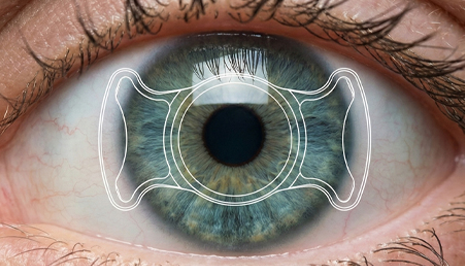
The ICL process involves implanting an artificial lens in the eye, and it is a non-laser surgery. The ICL sits behind the iris and the pupil and is used together with your natural lens. It is recommended for people suffering from high myopia or individuals who cannot undergo LASIK or other laser treatments.
One significant benefit of the ICL treatment is its reversibility. This means that the operation will not leave any lasting effects on your cornea.
Which Myopia Treatment is Best for You?
Cost of Myopia Surgery in India
There is no standard pricing for myopia surgery as there are several different techniques that can be followed during myopia surgery, and each technique requires different equipment and different technologies. On average, laser surgeries such as LASIK, SMILE, and PRK could cost anywhere between ₹20,000 to ₹1,00,000 per eye.
However, surgeries involving the placement of an implantable lens usually cost more, as the cost could lie anywhere between ₹80,000 to ₹1,50,000 per eye.
Advantages of LASIK for Myopia
LASIK surgery is beneficial because it provides a permanent solution to avoid the use of glasses and contacts. This helps with daily activities such as commuting, travelling, and playing sports.
Furthermore, it increases the quality of life since it provides improved vision that does not fluctuate. This is especially advantageous for patients who had difficulty using thick glasses or suffered discomfort wearing contact lenses.
Eligibility Criteria
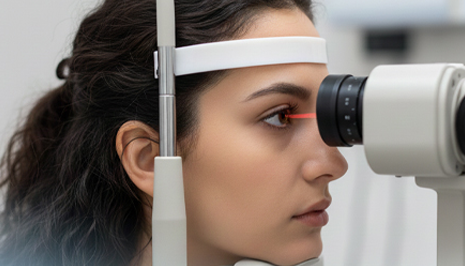
Not all people can be considered good candidates for LASIK eye surgery. Typically, one needs to be at least 18 years old and have had no changes in eye prescription for at least one year. Good cornea condition and excellent eye health are required for almost all surgeries using lasers.
Some situations like severe dryness of eyes, problems with the cornea, or unmanaged conditions may make a person ineligible. An eye exam is usually required before the procedure.
Recovery Timeframe
Depending on the operation performed, the recovery time differs. LASIK and SMILE patients can expect to see clearly in one day or two. PRK patients, however, might require several days or even weeks before achieving perfect vision.
Vision restoration occurs quickly in ICL surgery, although complete recovery requires weeks.
Risks & Safety
State-of-the-art methods for correcting myopia are extremely safe when performed by professional doctors with modern equipment. Cases of serious complications are very rare, and side effects (dry eyes or some discomfort) disappear relatively quickly.
Careful diagnosis before surgery and following postoperative recommendations help to minimize potential dangers. The selection of the right surgical technique according to the patient’s eye condition is an important element of security.
Why Choose ASG for Myopia Treatment
Advanced Technology
The latest equipment used by ASG makes surgeries safer and more accurate. Laser technology and imaging tools enable us to provide accurate customized solutions.
Experienced Doctors
Our doctors are highly skilled and experienced, ensuring that our patients get individual attention. The skill of the doctor is a key ingredient in any successful surgery.
Trusted Name
With its reputation for excellence in eye treatment, ASG provides safety and reliability to the patients.