Eye Infection: Symptoms, Causes & Treatment
Types of Eye Infections
- Conjunctivitis (Pink Eye): Very common infection of the eyes causing irritation and discharge from them. Timely pink eye treatment helps prevent spread and discomfort.
- Keratitis: Most cases are associated with contact lenses causing pain, blurry vision and sensitivity to light. Advanced keratitis treatment may be needed to protect the cornea.
- Blepharitis: Common chronic infection involving crusty, greasy, reddish, swollen lids requiring proper blepharitis treatment.
- Stye (Hordeolum): This refers to a painful lump that forms at the edge of an eyelid near to the base of the lash. Early stye treatment can reduce swelling and pain.
- Cellulitis: Dangerous infection around the eyeball requiring urgent eye infection treatment.
- Endophthalmitis: Infection in the interior part of the eye and can cause blindness without immediate eye specialist treatment
- Uveitis: Inflammation of eyes caused by infections, injuries or auto-immune disorders requiring specialized uveitis treatment.
Dacryocystitis: Caused by clogged ducts leading to infection of the tear sac and may require tear duct infection treatment.
Who Is At Risk?
There are particular groups that have a greater risk of contracting an eye infection. These include:
- Contact lens wearers
- Individuals with weak immunity or those whosuffer from diabetes
- Children and the elderly
- Exposure to dust and pollutants
- Individuals suffering from bad eye hygiene practices
- People recovering from eye injury or surgeries
- Monitor users with dry eyes
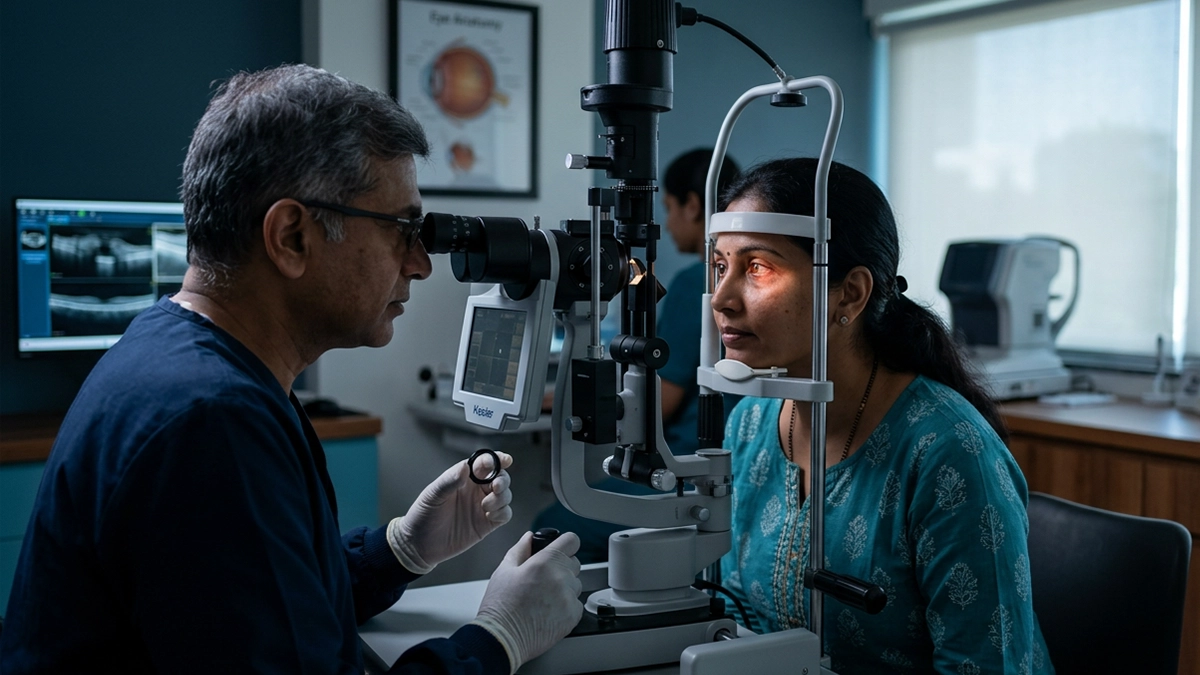
Should you experience redness, discharge and pain in your eyes, you need to see an eye specialist urgently for proper eye infection diagnosis and treatment.
Treatment Methods Offered at ASG Eye Hospital
- Medical Eye Treatment
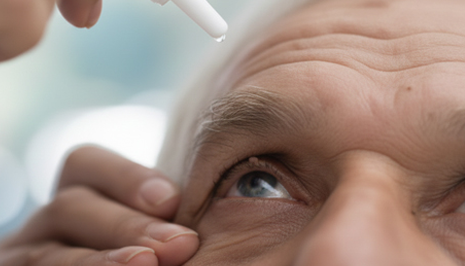
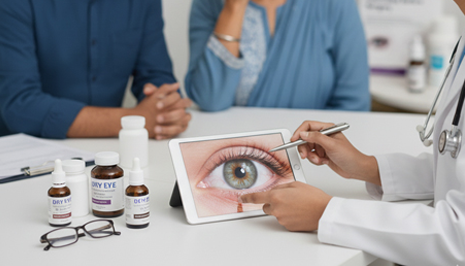
Medical treatment is usually the first option in case of mild to moderate eye infections, depending on their causes. Doctors can prescribe antibiotic eye drops, antiviral, antifungal and anti-inflammatory eye drops, as well as lubricating medications. These medical products are intended to decrease inflammation, redness, irritation, and remove the infection effectively.
When it comes to ASG Eye Hospital, its eye specialists evaluate the nature and degree of eye infections in order to offer adequate medication along with instructions for proper hygienic routines to prevent recurrences and improve eye health.
- Laser Eye Treatment
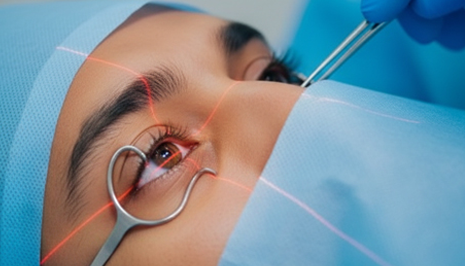
If an infection has affected the cornea or required some other precise correction, a doctor may advise his/her patient to undergo laser eye treatment. With the use of advanced laser technology, eye specialists correct eye disorders without discomfort and in a shorter recovery period than with traditional surgery.
ASG Eye Hospital employs highly sophisticated systems for laser eye surgery, allowing patients to undergo precise operations with minimum pain, inconvenience, and high success rates achieved thanks to professionals operating.
- Surgery
Serious infections of the eye or those that have gone unchecked can sometimes call for eye surgery if there is any damage to the cornea, formation of abscesses, or complications arising from infections.
Surgical operations in ASG Eye Hospital are conducted through highly-advanced methods and strict safety measures. Our surgeons ensure accuracy in your diagnosis, treatment, and after-treatment services for effective healing and improved vision restoration.
Which Option Is Right For You?
Various factors determine what treatment you need for an infection of your eyes. While mild cases can be treated using medicines, infections in advanced stages that affect the cornea can require the use of surgery or laser eye treatment. Your age, medical records, eye condition, and state of health may also be put into consideration when recommending treatment.
At ASG Eye Hospital, we examine your eyes and run some tests to determine the right method of treating your problem through personalized eye infection treatment plans.
Cost of Eye Infection Treatment in India
The cost of eye infection treatment in India depends on the severity of the condition and the method of treatment employed. Standard medical treatment using eye drops and consultations will cost anywhere between ₹500 to ₹5,000. If surgical or advanced treatments are applied, then they will cost between ₹15,000 to ₹60,000, and beyond.
Factors that determine the cost of treatment include:
- Type of infection
- Tests involved
- Medicine used
- Surgery complications
- Hospital facilities and technology
Patients are recommended to see doctors for proper diagnosis and accurate eye treatment cost evaluation.
Recovery Time
It is determined by the level of infection as well as the nature of treatment.
Recovery Periods:
- Mild eye infections: 3-7 days
- Moderate infections: 1-2 weeks
- Advanced treatments: 2-6 weeks
Patients are often recommended to avoid:
- Touching eyes
- Irregular intake of medicines
- Not wearing protection glasses when necessary
- Regular consultations
In most cases, patients recover within a few days after treatment.
Risks & Safety
Eye infection treatment is usually safe when done by professional specialists. Delaying the procedure or treating oneself at home might lead to possible health complications.
Risk factors can involve:
- Irritation
- Dryness of the eyes
- Discomfort
- Light sensitivity
- Very rarely – problems with vision
Why Choose ASG Eye Hospital?
Advanced Technologies
ASG Eye Hospital uses advanced equipment for the diagnosis and treatment of eye infections. Advanced laser technologies and precise techniques help achieve more successful outcomes of the procedures.
Experienced Doctors
ASG Eye Hospital works with experienced specialists who have a background in a number of different eye specialties. The skills and knowledge of doctors allow them to handle various eye problems and provide trusted eye care services.
Reputable Clinic
With several locations in India, ASG Eye Hospital is reputable when it comes to high-quality ophthalmic care, advanced eye treatments, and patient-focused services.