Hyperopia: Symptoms, Causes & Treatment
Who is at Risk?
Hyperopia can occur at any age; however, some risk factors can make one more susceptible to hyperopia. Heredity is a critical factor in this case because those who have hyperopia in their family are at a higher risk of having the condition.
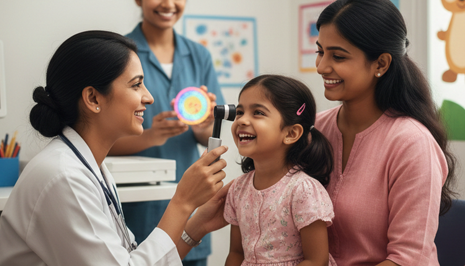
Overuse of screens, extended reading periods, improper visual behaviors, and inadequate eye care might also cause increased severity of the condition. For kids, unattended hyperopia can interfere with learning and focus.
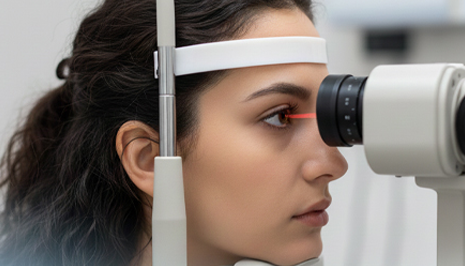
Regular eye checkups are necessary, particularly for children and those who frequently experience headaches, tired eyes, and blurry vision up close. Early diagnosis can also help determine the most suitable laser eye surgery treatment option.
Treatment Options at ASG
LASIK
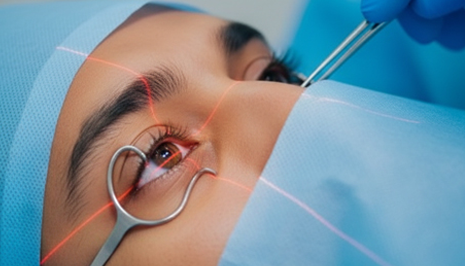
One of the most common surgeries for correcting hyperopia is LASIK. The method includes the creation of a thin layer on the surface of the cornea. Laser correction of the cornea allows you to reshape the tissue, so light will fall correctly on the retina.
The whole procedure lasts just a few minutes, and the patient immediately notices improvement in vision. Recovery time is minimal, and patients can return to their everyday routine within one or two days. Many patients choose LASIK for hyperopia because of its quick recovery and long-term results.
SMILE (Small Incision Lenticule Extraction)
SMILE is a highly effective eye surgery procedure for vision correction. The procedure does not involve any significant manipulation of the corneal tissue. The surgeon creates an incision and removes a small piece of the corneal tissue.
Patients usually choose SMILE due to the benefits such as rapid recovery, less dryness of eyes, and high stability of the cornea. SMILE eye surgery is becoming increasingly popular among patients looking for minimally invasive vision correction.
Photorefractive Keratectomy (PRK)
The Photorefractive Keratectomy procedure is one of the tried-and-tested methods of laser eye surgery that can be applied for people with thin corneas or who cannot undergo LASIK. In this method, the topmost layer of the cornea will be peeled off first before the laser reshapes the corneal tissue.
Despite the fact that the recovery time is a bit longer than LASIK or SMILE, PRK provides permanent effects on vision correction and remains a safe choice.
ICL (Implantable Collamer Lens)
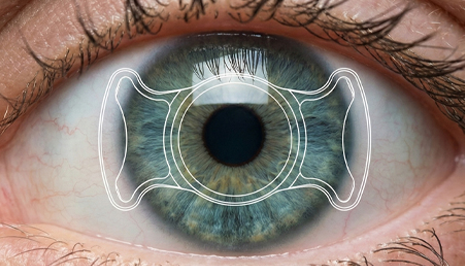
This is another alternative approach for correcting vision that does not involve any laser technology but involves the insertion of a synthetic lens within the eyes between the iris and the natural lens. This is particularly recommended for people with severe hyperopia or who cannot have laser eye surgery performed on them.
The main benefit of this procedure is its reversibility.
Which Hyperopia Treatment is Best for You?
Cost of Hyperopia Treatment Surgery in India
The hyperopia surgery cost depends on the type of surgery, technology used, and the patient’s eyesight. LASIK, SMILE, and PRK surgeries usually fall between ₹20,000 to ₹1,00,000 per eye. Surgery that involves implantable contact lens surgery such as ICL is relatively expensive compared to other surgeries.
Patients looking for the best surgery for hyperopia should consult an eye specialist to understand which treatment suits their eye condition and budget.
Benefits of LASIK Surgery in Treating Hyperopia
This type of surgery provides a permanent solution to reduce the dependency on glasses or contact lenses. The patients can benefit from increased ease in their daily chores like reading, driving, operating the computer, and traveling.
Moreover, the surgery improves the quality of life of the patient through enhanced vision stability. This is especially beneficial for those who need to use corrective lenses constantly. LASIK for hyperopia is one of the most preferred procedures because of its accuracy and fast visual recovery.
Eligible Candidates
As a general rule, it is advisable to have a minimum age of 18 years with a stable eye prescription for at least a year.
Good eye health including healthy corneas plays a vital role in opting for laser surgery. Certain eye-related issues like severe dry eyes, cornea problems, cataract, or any other health condition could hamper the candidacy.
Recovery Timeframe
The recovery period depends on the method chosen by the patient. Patients with LASIK and SMILE eye surgery can expect clearer vision after one or two days.
For PRK, the patient may need several days or even weeks to fully recover their vision. Vision improvement during ICL surgery is quite fast, but full recovery may take some time – a couple of weeks.
Risks and Safety
Hyperopia treatment nowadays is considered one of the safest medical procedures available because it is done under the supervision of professional ophthalmologists and using advanced equipment. Any possible adverse reactions, such as dryness or irritation, are short-lived and resolve rapidly.
Pre-operative assessment and proper postoperative care are vital for successful laser eye surgery outcomes.
Why Choose ASG for Myopia Treatment
Advanced Technology
ASG employs sophisticated laser technology and diagnosis machinery to offer precise vision-correction treatments that fit your individual needs.
Experienced Doctors
At ASG, our professional ophthalmologists provide personalized treatment and achieve superb results for each of our patients.
Trusted Name
ASG is renowned for offering top-of-the-line eye care solutions and advanced laser eye surgery procedures for hyperopia and other vision problems.