Pterygium Surgery: Symptoms, Causes, Procedure & Recovery
Who is at Risk?
Individuals who are likely to get pterygium eye problems include:
- People who spend many hours in the sun
- Outdoor workers
- Residents of areas that have dusty environments
- Swimmers and surfers
- Individuals suffering from dry eye syndrome
- Elderly people
- People constantly exposed to windy and polluted environments
If you experience symptoms such as redness, eye irritation, or growth of tissues on the eye, seek professional eye treatment and consult an eye specialist immediately.
ASG Eye Hospital Treatment Approaches for Pterygium
Medicines-Based Treatment
Pterygium of the eye can be managed with lubricants, medicines and special goggles that help decrease redness and irritation.
With the help of medicine-based pterygium eye treatment, patients can alleviate their symptoms and inhibit further development of the disease. Eye checks will be needed to control the condition and avoid complications.
Pterygium Eye Treatment with the Help of Lasers
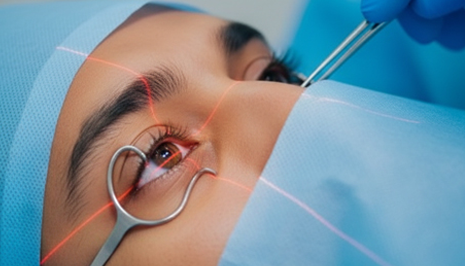
For some selected patients who need high accuracy and fast recovery after laser pterygium surgery, advanced laser eye treatment will be recommended.
Pterygium laser treatment provides a good way to make treatment less painful and minimize bleeding. Besides, modern technology makes pterygium laser eye treatment faster and more accurate.
Surgery to Remove Pterygium
Removing abnormal tissue growth from the eye is considered the most effective way to treat moderate and severe pterygium eye condition.
Modern pterygium surgery provides high accuracy and quick healing process with an improved cosmetic effect and reduced recurrence risk.
Conjunctival Autograft Procedure
In severe cases, conjunctival autograft surgery can be used following pterygium excision surgery. A healthy tissue from somewhere else in the eye is grafted over the affected area.
Advanced pterygium eye surgery has several advantages over other types of pterygium removal surgery, including faster healing and lower recurrence chances.
Which Pterygium Treatment is Best for You?
Pterygium Surgery Cost in India
The cost of pterygium surgery in India varies according to the severity of the disease, type of surgery and hospital.
Aspects that may influence the price of the procedure are:
- Severity of the disease
- Diagnostic tests involved
- Complexities of surgery
- Use of laser technology
- Hospital infrastructure
- Expertise of the doctor
Advanced pterygium eye surgery might be costly owing to complexities of the surgical procedure and advanced treatment technologies.
Benefits of Pterygium Surgery
- Enhanced visual acuity
- Reduction of redness and irritation
- Cosmetically improved eye appearance
- Increased eye comfort
- Protection of the cornea
- Decreased risk of pterygium recurrence
- Enhanced eye comfort and self-assurance
Eligible Patients
If you meet the following criteria, then you are eligible for pterygium eye treatment, including:
- Eye redness and irritation
- Growth of tissue on the cornea
- Impaired vision due to pterygium
- Eye dryness symptoms
- Cosmetic issues related to eye growths
- Good general eye health
Your eye doctor will analyze your situation to determine the best course of pterygium surgery.
Time for Recovery
Normal Time for Recovery:
- Medication Therapy: Several days
- Laser assisted therapy: 1-2 weeks
- Pterygium Surgery: 2-4 weeks
- Conjunctival Autograft Surgery: 2-6 weeks
Advice on how to proceed:
- No eye-rubbing
- Follow-up medication
- Wearing special UV protective glasses
- Follow-up visits to the doctor
- Avoid dust and polluted environment while recovering
Risks & Safety
Modern pterygium eye surgery is relatively safe today if done by highly skilled ophthalmologists.
Possible risks can be:
- Red eye
- Eye irritation
- Swelling
- Tears in eyes
- Sensitivity to light
- Pterygium recurrence (rare)
Latest microsurgical techniques and advanced laser eye surgery help reduce risks and improve treatment outcomes.
Why Choose ASG Eye Hospital for Pterygium Surgery?
State-of-the-Art Technology
ASG Eye Hospital employs state-of-the-art technology for pterygium removal surgery using latest diagnostic systems, laser technology, and microsurgeries.
Experienced Doctors
We have professional doctors specializing in treating pterygium of the eyes, laser surgeries, and advanced eye surgeries.
Trusted Name
ASG Eye Hospital is a reliable destination offering modern eye care services, advanced eye surgeries, and comprehensive patient care in India.