Signs That May Indicate Squint
Many people notice visible eye misalignment, while others experience symptoms related to visual imbalance.
Common warning signs include:
- Eyes that appear uneven or crossed
- Frequent head tilting
- Difficulty focusing on objects
- Double vision
- Poor depth judgment
- Eye strain and fatigue
- Difficulty tracking moving objects
- Reduced visual comfort during reading
- Closing one eye when outdoors
Professional assessment can help determine whether these symptoms are related to squint or another eye condition.
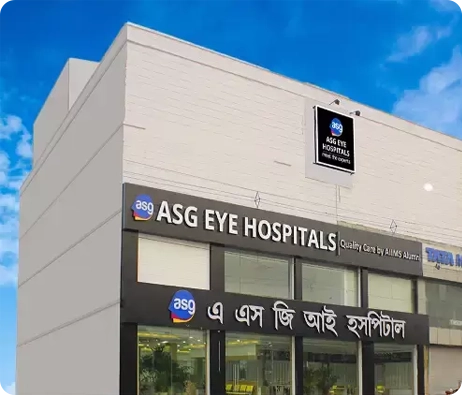
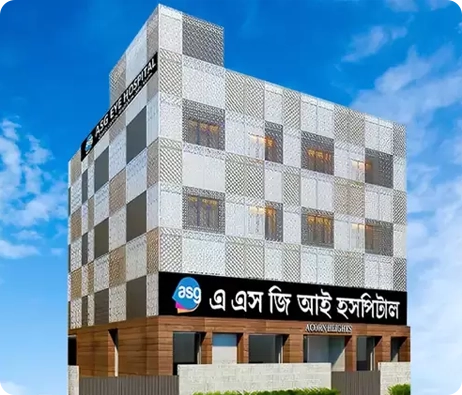
Why Patients Choose ASG Eye Hospital Kolkata
Experienced Eye Alignment Specialists
Our ophthalmologists are trained to diagnose and manage a wide range of squint conditions affecting both children and adults.
Detailed Diagnostic Evaluation
Comprehensive assessments help us evaluate:
- Eye position and movement
- Coordination between both eyes
- Visual acuity
- Binocular vision function
- Eye muscle performance
- Overall ocular health
Tailored Treatment Planning
Management recommendations are based on individual factors such as:
- Patient age
- Nature of eye deviation
- Visual development status
- Presence of associated eye disorders
- Occupational and educational needs
- Long-term visual goals
Integrated Eye Care Services
Patients can access consultations, diagnostic testing, treatment planning, and follow-up care within a single eye care center.
Our Squint Assessment Process
Comprehensive Eye Examination
A detailed eye evaluation helps identify the cause and severity of eye misalignment.
Visual Function Testing
Assessments are performed to understand how the condition affects visual clarity and binocular vision.
Eye Muscle Evaluation
Specialized tests help determine whether muscle imbalance contributes to the squint.
Pediatric Squint Screening
Children undergo age-specific evaluations to monitor visual development and detect associated vision disorders.
Adult Squint Assessment
Adults experiencing eye deviation or double vision receive individualized evaluations to determine appropriate treatment options.
Surgical Assessment
For selected patients, squint surgery may be considered to improve eye alignment and coordination.
Long-Term Follow-Up
Regular reviews help ensure continued monitoring and management of visual progress.
Benefits of Seeking Early Treatment
Early diagnosis and treatment may help:
- Support normal visual development
• Improve eye coordination
• Enhance binocular vision
• Reduce visual discomfort
• Improve depth perception
• Minimize the risk of lazy eye
• Promote long-term visual stability
Regular follow-up remains important even after treatment has been initiated.
Squint Care Services Available in Kolkata
ASG Eye Hospital Kolkata offers:
- Squint specialist consultations
- Pediatric eye alignment assessments
- Adult strabismus evaluations
- Eye movement analysis
- Binocular vision testing
- Visual development monitoring
- Refractive error assessments
- Squint surgery evaluations
- Follow-up eye care programs