Dry Eye: Symptoms, Causes & Treatment
Who Is at Higher Risk?
Individuals prone to getting dry eye conditions include:
• Those who work for many hours in front of their computer screens
• Old people
• Users of contact lenses
• Allergic patients
• Individuals working around dust or smoke-filled areas
• Women undergoing hormone changes
• Patients with autoimmune disorders
• Individuals under some medications
• Those who had eye surgeries before
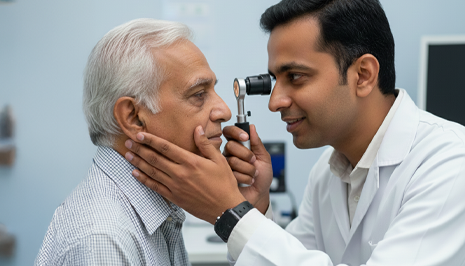
In case you have burning sensation in your eyes, redness, irritated eyes, watering of eyes, and blurry vision, you should visit an ophthalmologist, eye specialist, or dry eye doctor for advanced dry eye syndrome treatment and proper diagnosis.
Treatment Methods at ASG Eye Hospital
Artificial Tears and Lubricating Eye Drops
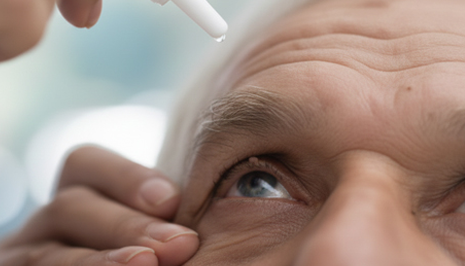
Artificial tears and lubricating eye drops are often prescribed to alleviate discomfort and irritation caused by dry eyes. The drops moisturize the eye and stabilize tear film.
Lubricating eye drops are usually the initial dry eye therapy, which is fast-acting and provides immediate relief from symptoms. Continuous application improves the patient’s eye comfort and reduces redness. Advanced artificial tears, eye lubrication treatment, and prescription eye drops improve tear quality and eye hydration.
Modern Approaches to Dry Eyes Diagnosis and Treatment
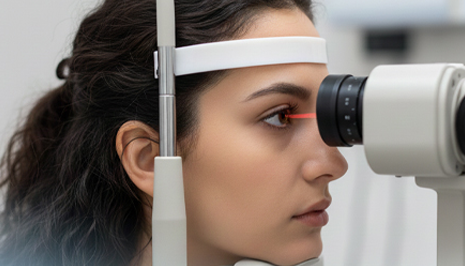
Dry eye diagnosis is done using sophisticated techniques that identify the precise reasons for developing dry eyes and the disease stage. Modern diagnostics allows doctors to prescribe personalized dry eye treatments.
New dry eye treatments, tear film analysis, and advanced ocular surface diagnostics allow for more accurate approaches to curing dry eye syndrome and chronic eye irritation.
Treatment of Meibomian Gland Dysfunction (MGD)
MGD is considered one of the leading factors in causing the condition known as dry eye disease. Treatments focus on improving the performance of the oil glands to decrease tear evaporation and provide healthy tears.
Advances in MGD treatment, including warm compresses, MGD gland cleanings, and specialized eye care, can help enhance tear quality and decrease symptoms of chronic dry eyes. Modern meibomian gland therapy helps restore healthy tear production.
Anti-Inflammatory and Prescription Drugs
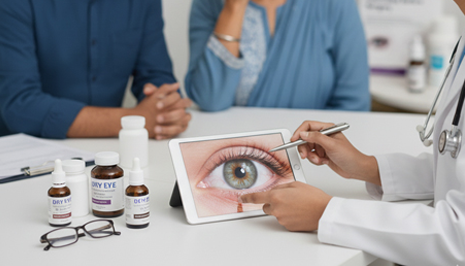
For more serious cases of dry eye disease, patients might need prescribed eye drops and anti-inflammatory drugs to help ease their symptoms and increase the production of natural tears.
Dry eye medication, prescription eye drops, anti-inflammatory therapy, and long-term treatment can be useful in managing chronic cases of dry eye syndrome and ocular inflammation.
Punctal Plugs for Dry Eye Relief
A punctal plug is a microscopic device that is inserted into the tear ducts, preventing rapid drainage of tears. This device will help keep natural moisture in the eyes for extended periods of time.
The treatment with punctal plugs is usually performed by patients suffering from chronic dry eye disease and requires additional moisture in the eyes. Punctal plug treatment offers long-lasting relief for severe dry eye symptoms.
Which Dry Eye Treatment is Best for You?
Dry Eye Treatment Cost in India
The cost of dry eye treatment in India is based upon the degree of dry eye syndrome, eye examination tests, medicines, or other procedures involved.
The factors that affect the cost of dry eye treatments in India are listed below:
• Degree of dry eye syndrome
• Eye examinations
• Eye drop medicine
• Treatment of meibomian gland dysfunction (MGD)
• Punctal plug technique
• Advanced techniques for treating dry eyes
• Expertise of doctor
• Facilities in hospital
Advanced dry eye therapy, MGD treatment, and specialized eye care procedures may increase the treatment cost depending on the severity of the condition.
Dry Eye Treatment Benefits
- No more burning sensation
- Enhanced eye lubrication
- Decreased eye redness
- Improved visual comfort
- Better tears
- Protection against corneal damage
- Improved screen comfort
- Decreased eye fatigue
- Improvement of quality of life
Early intervention, proper dry eye treatment, and routine eye examinations can help avoid complications and increase long-term eye health.
Suitable Candidates
You are a good candidate for dry eye treatment if you experience the following symptoms:
• Burning or stinging sensation in the eyes
• Irritated and red eyes
• Watery eyes
• Blurred vision
• Eye fatigue
• Sensitive to light
• Inability to wear contact lenses
• Persistent eye dryness
• Eye pain while using screens
The evaluation is carried out through an eye examination by an eye specialist, ophthalmologist, or dry eye doctor experienced in treating chronic dry eye conditions.
Time Required for Healing
Common Time Frames in Healing Process
- Alleviation using lubricating eye drops: Instant to few days
- Improvement with MGD therapy: Few weeks
- Reaction to prescription medicine: Few weeks to few months
- Healing time after punctal plugs procedure: 1-2 days
Healing requires:
• Proper usage of eye drops
• Good eye hygiene
• Limited screen time
• Proper hydration
• Protective eyewear
• Regular eye examinations
Consistent dry eye therapy, proper eye hygiene, and advanced eye treatment can make the healing process smoother and control dry eye symptoms successfully.
Safety Concerns
The treatment of dry eyes is safe and very effective as long as it is being done by professional and competent eye doctors and ophthalmologists.
Side effects may include:
• Irritation
• Blurry vision after applying eye drops
• Eye redness
• Photosensitivity
• Discomfort after some procedures
• Rare allergies
Modern eye care technology, advanced dry eye diagnostic equipment, and personalized dry eye treatment methods reduce risks significantly and improve patient comfort.
Why Select ASG Eye Hospital for Dry Eye Treatment?
Latest Technology
At ASG Eye Hospital, we employ the latest dry eye diagnostic technology, analysis of the tear film, imaging of meibomian glands, and advanced dry eye treatment technology to diagnose and treat patients accurately. Modern ocular surface diagnostics and MGD imaging systems ensure precise treatment outcomes.
Professional Eye Doctors
We have professional eye doctors who specialize in diagnosing and treating dry eyes, MGD, eye allergies, and various ocular surface diseases. Our experienced dry eye specialists provide personalized eye care treatment for long-term relief.
Trusted Hospital
ASG Eye Hospital is one of the most trusted advanced hospitals for dry eye treatment in India, offering modern eye care services, advanced technology, and expert ophthalmology care.