Ptosis (Droopy Eyelid) Surgery: Symptoms, Causes & Treatment
Who is at Risk?
Increased risk of suffering from ptosis eye condition includes:
- Elderly people
- Babies born with weak eyelid muscles
- Those suffering from nerve conditions
- Individuals having eye trauma
- Diabetics
- Individuals recovering from eye surgeries
- People with muscle conditions
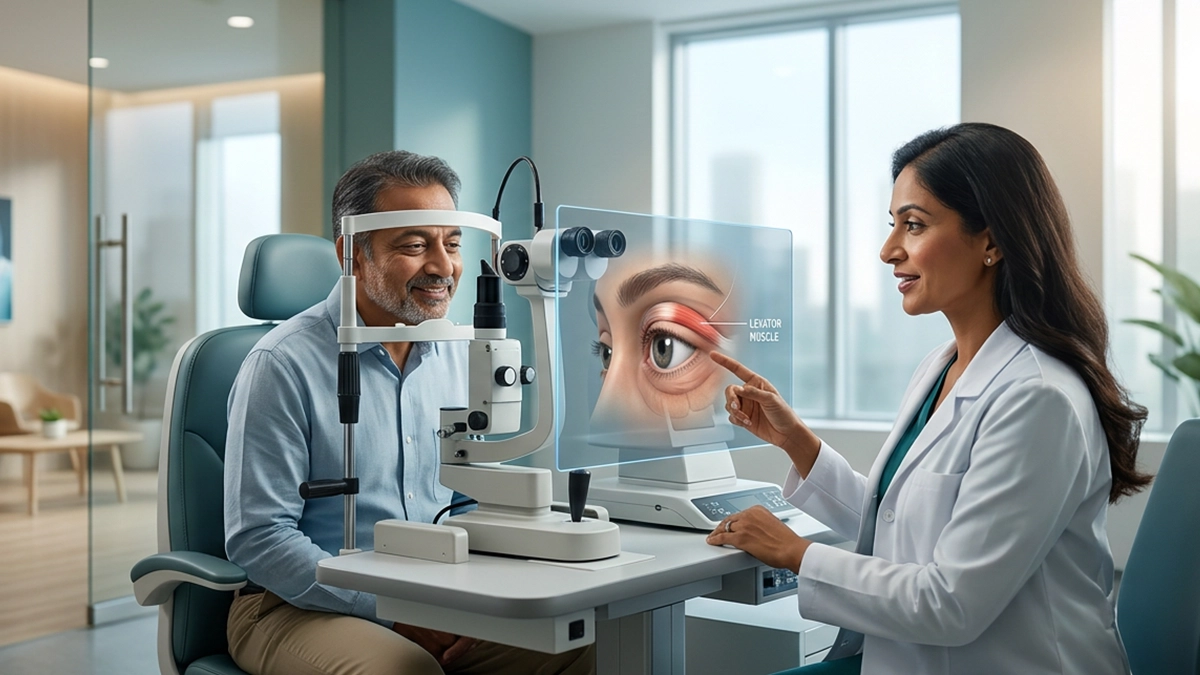
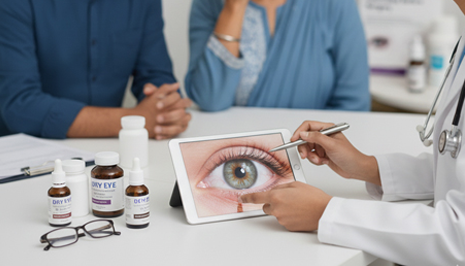
If you experience any symptoms such as drooping eyelids, blurry vision, or inability to keep eyes wide open, contact an eye specialist immediately for proper droopy eyelid treatment.
Treatment Options at ASG Eye Hospital
Non-Surgical Ptosis Correction
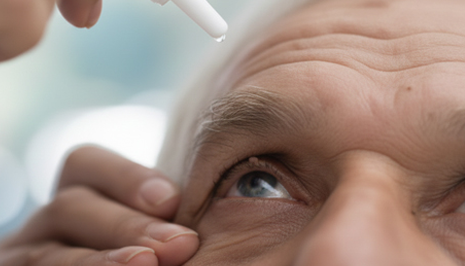
The treatment of moderate ptosis can be carried out using medications, special eye exercises, and eye support glasses that help improve the position of eyelids. It improves eye functions and reduces eye strain.
Non-surgical treatment is usually offered in case of mild forms of ptosis and also when surgery is not advisable. Regular eye exams will be conducted to manage the disease effectively and monitor ptosis eye treatment progress.
Laser-Assisted Ptosis Correction
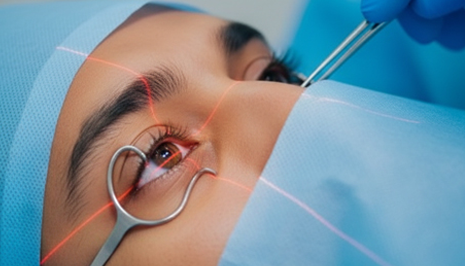
A modern approach to laser eye treatment for ptosis can also be applied depending on the type of problem and the needs of each patient.
Lasers provide greater precision and faster healing compared to conventional surgeries. They are also less prone to bleeding and improve recovery after laser-assisted ptosis surgery.
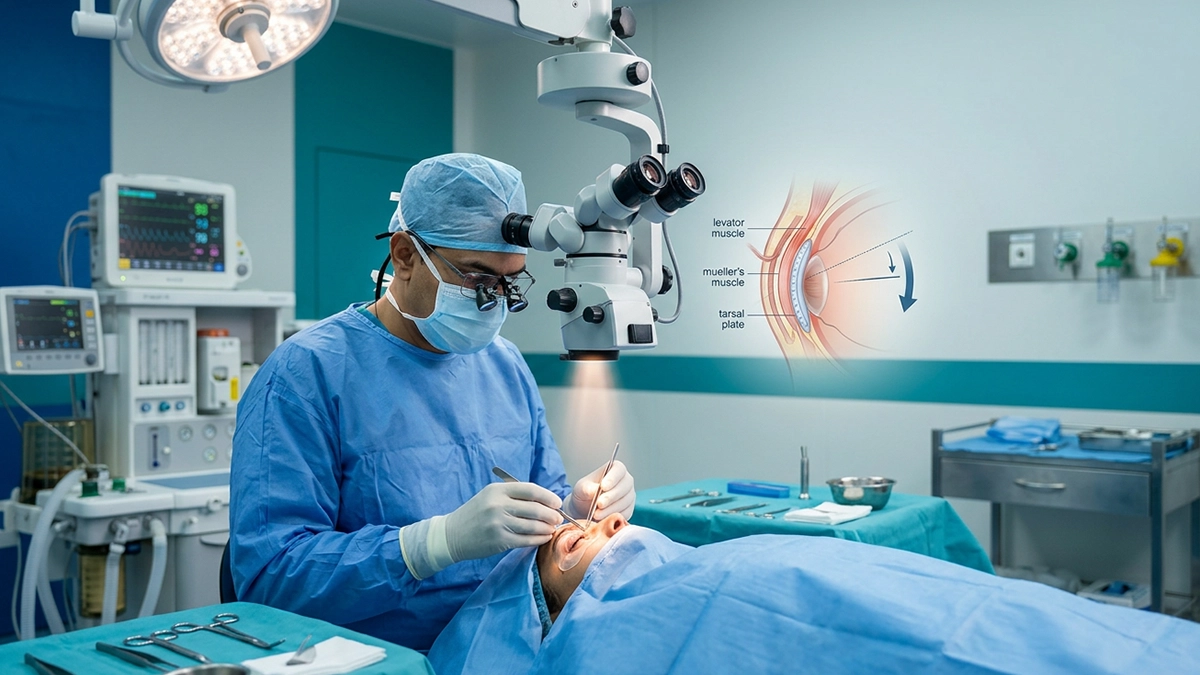
Ptosis Surgery
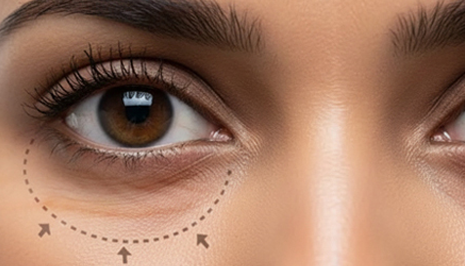
Ptosis surgery is a good way to correct severe forms of ptosis. Surgery helps tighten up or repair eyelids and improve their functions.
Modern ptosis correction surgery is relatively easy, minimally invasive, and involves few risks when performed by experienced ophthalmologists.
Frontalis Sling Surgery
The frontalis sling surgery is preferred in severe cases of ptosis where the eyelid muscles are extremely weak. In this type of surgery, the eyelid is attached to the forehead muscle to aid in lifting the eyelid.
It is most common in infants and adults who have congenital ptosis and severe droopy eyelid condition.
Cost of Ptosis Eye Treatment in India
Ptosis eye treatment in India depends on the extent of the medical condition, the complexity of surgery, and the mode of treatment adopted by patients.
Factors affecting cost of treatment may include:
- Extent of ptosis
- Tests required
- Mode of surgery
- Advanced technology
- Hospital facilities
- Expertise of surgeon
Advanced modes of ptosis surgery and laser-assisted treatments could make the procedure more costly than others.
Advantages of Ptosis Correction
- Improvement in vision
- Aesthetic eyelid improvement
- Relief from eye strain and headache
- Symmetry improvement
- Comfort improvement
- Permanent correction of droopy eyes
- Better facial appearance and confidence
Who Can Be Treated?
If you have:
- Droopy eyes affecting your vision
- Weak eye muscles
- Eye strain or fatigue
- Stabilized eye condition
- Good health for undergoing surgery
Then, you may qualify for corrective ptosis eye surgery or droopy eyelid correction treatment.
Recovery Time
- Non-Surgical Procedures: Few days
- Laser Procedures: 1-2 weeks
- Ptosis Surgery: 2-4 weeks
- Frontalis Sling Surgery: 2-6 weeks
It is important that patients:
- Refrain from touching their eyes
- Apply recommended eye drops
- Come for follow up visits
- Refrain from engaging in strenuous activities
Risk & Safety
Modern ptosis eye surgery is relatively safe in capable hands of experienced ophthalmologists.
Temporary risks include:
- Swelling
- Eye bruising
- Eye dryness
- Temporary discomfort
- Light sensitivity
- Asymmetry problems in rare cases
Latest technology is employed by highly qualified surgeons to lower risks and ensure high-quality ptosis treatment outcomes.
Why Choose ASG Eye Hospital for Ptosis Treatment?
Latest Technology
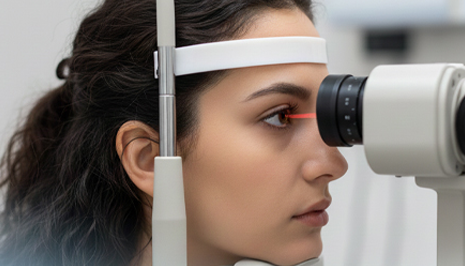
At ASG Eye Hospital latest systems and advanced technological tools are applied for efficient diagnosis and treatment of ptosis eye condition.
Experienced Doctors
We have ophthalmologists who specialize in treatment of droopy eyelids, ptosis correction surgery, and various advanced eye procedures.
Trusted Name
ASG Eye Hospital is renowned for its latest treatments of all kinds of eye problems and advanced eye care services in India.