Anisometropia: Causes, Symptoms & Treatment
Types of Anisometropia
Anisometropia can be classified based on the type of refractive error:
1. Simple Anisometropia
One eye has normal vision, while the other has myopia (near-sightedness) or hyperopia (far-sightedness).
2. Compound Anisometropia
Both eyes have the same type of refractive error, but with different severity.
3. Mixed Anisometropia (Antimetropia)
One eye is myopic and the other is hyperopic.
4. Astigmatic Anisometropia
Occurs when there is unequal astigmatism in both eyes.
Symptoms of Anisometropia
In many cases, anisometropia may not show obvious symptoms, especially in children. However, common signs include:
- Blurred or unequal vision in both eyes
- Double vision (diplopia)
- Eye strain or discomfort
- Headaches
- Poor depth perception
- Dizziness or imbalance
Children often do not complain, making early eye screening essential.
Causes of Anisometropia
Anisometropia occurs due to differences in the structure or refractive power of the eyes.
Common Causes
- Unequal growth of the eyes (axial length difference)
- Differences in corneal curvature
- Lens changes or cataract
- Genetics (family history)
- Eye injury or surgery
It can develop during childhood or later in life due to eye conditions or surgeries.
Risk Factors
You may be at higher risk if you:
- Have a family history of refractive errors
- Have had eye surgery (e.g., cataract)
- Have conditions like squint (strabismus)
- Are a child with uneven visual development
Diagnosis of Anisometropia
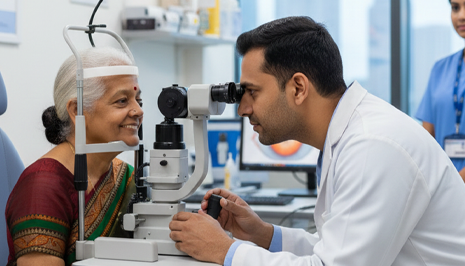
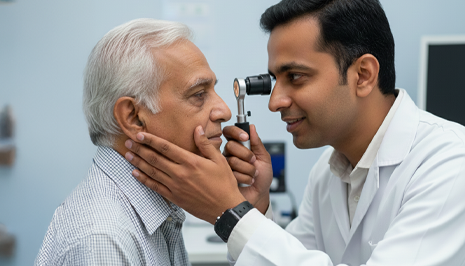
Anisometropia is diagnosed through a comprehensive eye examination.
Tests Include:
- Visual acuity test
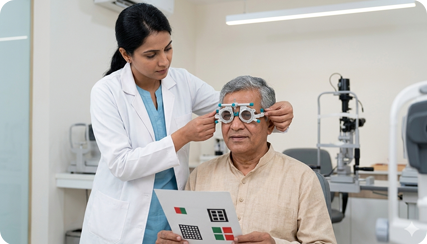
- Refraction test
- Eye alignment test
- Binocular vision assessment
Early detection is especially important in children to prevent permanent vision loss.
Treatment Options for Anisometropia
Treatment aims to balance vision between both eyes and improve visual comfort.
1. Eyeglasses
Customized lenses with different powers for each eye.
2. Contact Lenses
Often preferred as they reduce image size differences between eyes.
3. LASIK / Refractive Surgery
Permanent correction by reshaping the cornea.
4. Vision Therapy
Helps improve coordination between both eyes.
5. Eye Patching (in children)
Used if amblyopia develops to strengthen the weaker eye.
Contact lenses and surgery are often more effective than glasses in reducing visual discomfort caused by unequal image size.
At ASG Eye Hospital, advanced diagnostics and experienced specialists provide personalized treatment plans for both children and adults.
Complications if Left Untreated
Untreated anisometropia can lead to:
- Amblyopia (lazy eye)
- Permanent vision loss in one eye
- Poor depth perception
- Difficulty in daily activities
Early treatment significantly improves visual outcomes.
Anisometropia in Children
Anisometropia is common in children and often goes unnoticed. Early detection is crucial because:
- The brain may ignore the weaker eye
- It can lead to amblyopia
- Treatment is most effective at a young age
Parents should ensure regular eye check-ups for children.
Prevention & Eye Care Tips
- Schedule regular eye examinations
- Detect vision problems early in children
- Follow prescribed treatment strictly
- Avoid delaying correction
Why Choose ASG Eye Hospitals for Anisometropia Treatment?
- Expert ophthalmologists and pediatric specialists
- Advanced diagnostic technology
- Customized treatment approach
- High success rate in vision correction
- Presence across multiple cities in India