Lazy Eye: Symptoms, Causes & Treatment
Who is at Risk?
People who have a greater risk of having lazy eye include:
• Babies suffering from crossed eyes
• Children having unequal eye power
• Babies born prematurely
• Children having a genetic predisposition to amblyopia
• Patients with congenital cataracts
• Children with droopy eyelids
• Patients with eye developmental problems
• People with refractive errors
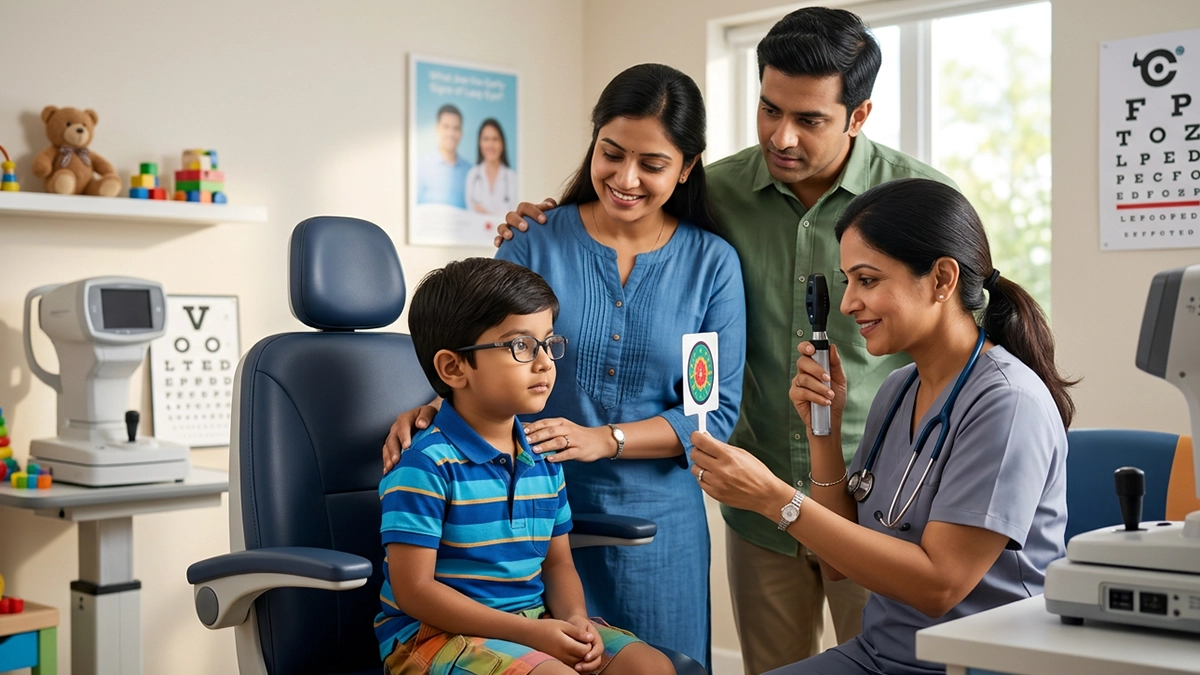
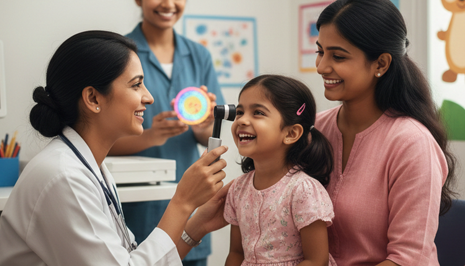
If you notice your child has difficulty with vision or the eyes look mismatched, immediately visit your pediatric eye doctor, eye specialist, or pediatric ophthalmologist for appropriate lazy eye treatment, vision treatment, and children’s eye care.
Treatment Options at ASG Eye Hospital
Prescription Vision Correction
Amblyopia resulting from refractive errors like nearsightedness, farsightedness, or astigmatism can be effectively treated with prescription glasses or contact lenses. Vision correction aids in focusing better and promotes even vision development in both eyes.
Prescription vision correction is a common amblyopia treatment option that can greatly enhance eyesight if diagnosed early in a child’s life. Frequent eye exams and advanced vision correction treatment play a critical role in tracking eye development.
Eye Patching Therapy
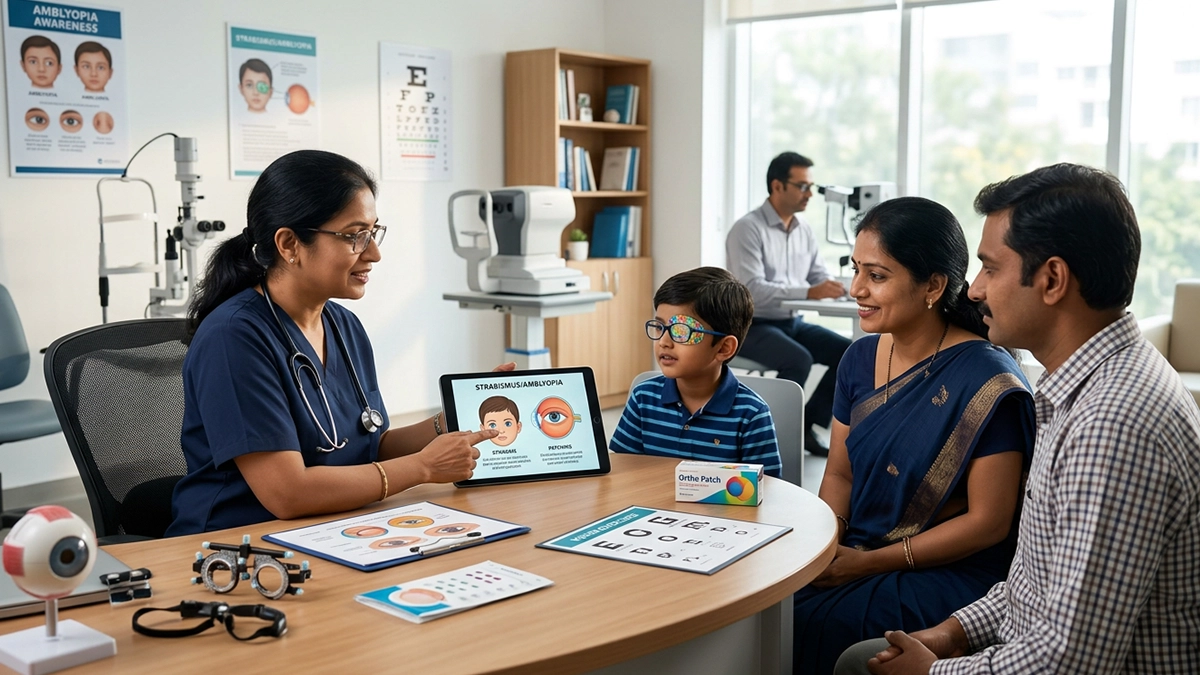
Among the best ways to treat a lazy eye is through eye patching. This therapy involves covering the healthy eye with an eye patch in order to promote the development of vision strength in the weak eye.
This therapy is very useful in children who suffer from amblyopia. It plays an important part in developing vision in the affected eye and improving overall eye coordination treatment.
Treatment with Atropine Eye Drops
An atropine eye drop is another method used as an alternative for lazy eye patching. This therapy blurs the vision in the dominant eye through eye drops, thus forcing the brain to develop the less dominant eye.
This is usually the best choice for children who cannot tolerate putting on eye patches every day. It is a completely safe and successful treatment option that has been adopted in modern treatments for lazy eye correction and pediatric vision therapy.
Vision Therapy and Eye Exercises
Vision therapy includes various eye exercises used to develop eye coordination and focusing skills, as well as enhance visual perception. Vision therapy trains the eyes to coordinate and communicate effectively with the brain.
This type of therapy is usually integrated with the use of glasses, eye patches, or eye drops to optimize the benefits. Modern vision therapy programs, eye muscle exercises, and eye therapy sessions can greatly improve visual efficiency and eye muscle coordination.
Lazy Eye Surgery Treatment Options
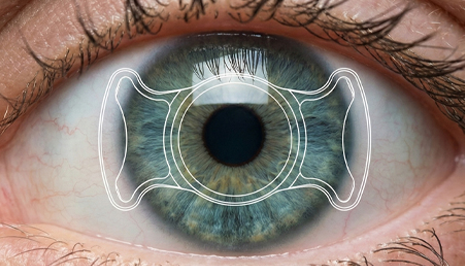
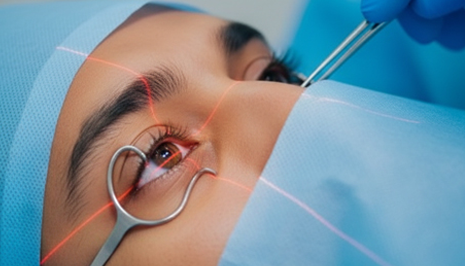
In some cases, surgery might be necessary in order to rectify some eye defects like strabismus, cataracts, and droopy eyelids responsible for causing lazy eye conditions. Eye surgery helps correct the alignment of the eyes.
Advanced eye muscle surgery, squint eye surgery, and pediatric eye procedures are performed using modern microsurgical techniques for safe and effective treatment outcomes.
Which Lazy Eye Treatment is Best for You?
Cost for Lazy Eye in India
Treatment costs for lazy eyes in India vary according to the intensity of the condition, mode of treatment, age of the patient, and length of treatment.
Issues that influence costs of treatment include:
• Mode of amblyopia treatment
• Eye examination and testing
• Glasses or contact lenses prescription
• Eye patching or use of atropine
• Vision therapy sessions
• Surgery, if any is needed
• Experience of pediatric eye experts
• Facilities available in hospitals
Sophisticated pediatric eye treatment, lazy eye correction, or surgical treatment could be costly for patients depending on the complexity of the condition.
Advantages of Lazy Eye Treatment
- Good vision in the affected eye
- Proper eye alignment
- Increased depth perception
- Better performance in academic and other activities
- Prevention of loss of sight permanently
- Better concentration
- Improvements in overall well-being
- Good eye development in kids
Early amblyopia treatment and lazy eye correction treatment give high success rates of recovering from visual problems and improving children’s vision health.
Eligibility Requirements
The following can make you qualify for lazy eye treatment:
• Blurry eyesight in either of the eyes
• Crossed or abnormal alignment of the eyes
• Inconsistency in the eyes’ ability to see
• Eye focusing problem
• Lack of depth perception in your eyes
• Drooping of eyelids resulting in poor vision
• Visual impairment when growing up
• Amblyopia or strabismus condition
An eye test by an experienced eye doctor, pediatric ophthalmologist, or vision specialist can help in determining the best lazy eye treatment method.
Recovery Timeline
Recovery process of lazy eye in general:
- Getting used to glasses: Few weeks
- Patching treatment for eye: Weeks to months
- Using atropine: Months-long improvement
- Vision therapy: Continuous improvement
- Recovering from surgical treatment: 2-6 weeks depending upon the surgery type
Factors which help with recovery:
• Checking eye periodically
• Compliance with patching
• Using eye drops correctly as prescribed
• Conducting vision therapy
• Wearing corrective glasses
Early diagnosis and proper amblyopia treatment increase chances of successful recovery from lazy eyes considerably.
Risks & Safety
Treatment for lazy eyes is quite safe and very effective as long as it is carried out under the guidance of eye care professionals, pediatric ophthalmologists, and eye specialists.
Some of the side effects that could be experienced during treatment include:
• Temporary blurred vision
• Eye strain
• Discomfort when using eye patches
• Sensitivity to light while taking atropine eye drops
•Temporary problems wearing glasses
Rare complications may arise from surgery for severe conditions. Modern pediatric eye care technology and advanced vision treatment methods help reduce treatment risks.
Why Should You Prefer ASG Eye Hospital for Amblyopia Treatment?
Advanced Technologies
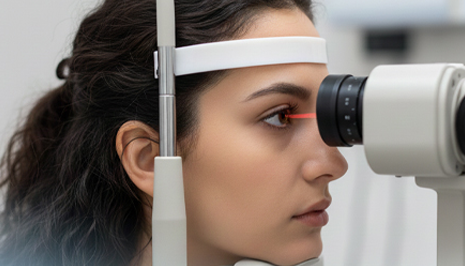
ASG Eye Hospital offers advanced diagnostics for children’s eyesight, vision testing equipment, and advanced treatment for accurate treatment of amblyopia problems. Modern pediatric eye care technology supports precise diagnosis and successful lazy eye treatment.
Professional Doctors
Our professional doctors for pediatrics, ophthalmologists, and vision therapists are experts in treating lazy eye, squint, refractive problems, and children’s vision problems. Our experienced pediatric eye specialists provide personalized children’s eye treatment.
Reputed Eye Care Hospital
ASG Eye Hospital is a reputable hospital for advanced pediatrics eye care in India, providing advanced amblyopia treatment, vision therapy, and treatment for patients with lazy eye problems.