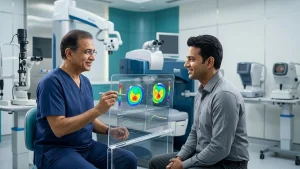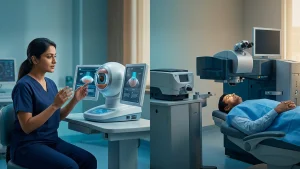
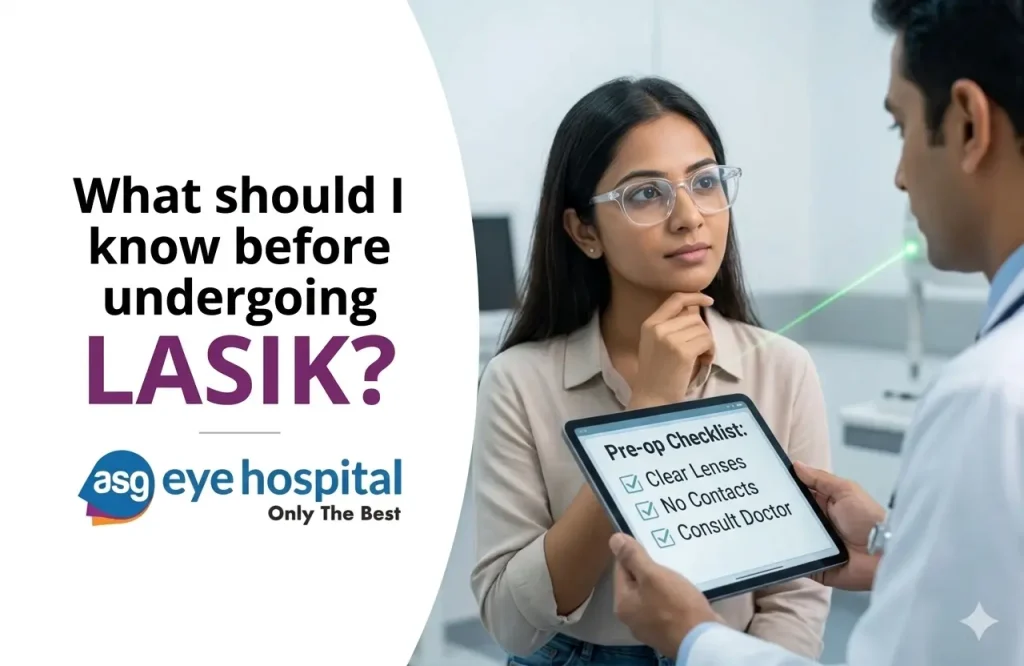
Popular refractive eye surgery called LASIK (Laser-Assisted In Situ Keratomileusis) can treat nearsightedness, farsightedness, and astigmatism. Before undergoing LASIK, it’s essential to gather comprehensive information to make an informed decision. This article will provide you a thorough review of everything you need to know about LASIK, including the procedure, candidacy, risks, benefits, and the recovery process.
Table of Content:
- 1. Understanding LASIK Surgery:
- 2. Finding a Qualified LASIK Surgeon:
- 3. Determining Candidacy:
- 4. Risks and Complications:
- 5. Benefits of LASIK:
- 6. The LASIK Procedure:
- 7. LASIK Recovery:
- 8. Cost of LASIK:
- 9. Insurance and LASIK:
- 10. Lifestyle Changes:
- 11. Realistic Expectations:
- 12. Alternative Procedures:
- 13. Choosing the Right Time for LASIK:
- 14. Post-Operative Follow-up:
- 15. Patient Testimonials and Reviews:
1. Understanding LASIK Surgery:
The clear front surface of the eye, the cornea, is reshaped during LASIK surgery to enhance vision. People who want to lessen their reliance on glasses or contact lenses frequently choose it. The procedure involves the use of a laser to remove a small amount of corneal tissue, allowing light to properly focus on the retina, which results in clearer vision.
2. Finding a Qualified LASIK Surgeon:
Selecting a skilled and experienced LASIK surgeon is crucial for a successful outcome. Some factors to consider when choosing a surgeon include:
- Credentials and certifications: Search for a refractive surgeon who has undergone specialized training and is board certified.
- Reputation: Look up the surgeon’s reputation and read reviews and endorsements from previous clients.
- Consultations: Make appointments with potential surgeons for consultations to go through your candidacy and ask questions.
- Technology: Verify if the surgical facility makes use of LASIK equipment that has received FDA approval.
3. Determining Candidacy:
Not everyone is a suitable candidate for LASIK. A comprehensive eye examination will be conducted to assess your eligibility. Factors that affect candidacy include:
- Age: Since vision stabilizes as people become older, LASIK is often advised for people over the age of 18.
- Eye well-being: Your eyes should be free of glaucoma, cataracts, and severe dry eye.
- Prescription stability: Your prescription for glasses or contact lenses should remain constant for at least a year.
- Thickness of the cornea: The process requires a cornea with a sufficient thickness.
- Pupil size: Large pupils may increase the chance of night vision problems.
- Health history: Discuss your medical history, including any medications you are taking, with your surgeon.
4. Risks and Complications:
Like any surgical procedure, LASIK has associated risks and potential complications, including:
- Dry eyes: Some people experience dry eyes, which may be momentary or, in very rare circumstances, permanent.
- Glare and halos: Halos and glare are possible visual disruptions, especially at night, but they frequently get better with time.
- Under- or overcorrection: Since perfect vision cannot be guaranteed, some people may still require eyeglasses for particular tasks.
- Infection and inflammation: Although uncommon, these side effects might happen and may need medical attention.
- Flap complications: LASIK includes making a corneal flap; although they can happen, they are uncommon when using contemporary procedures.
- Regression: In some cases, vision can regress over time, necessitating additional surgery or continued use of corrective lenses.
It’s crucial to go over these risks with your surgeon at the appointment so you can weigh the pros and downsides and make an educated choice.
5. Benefits of LASIK:
LASIK offers several advantages, including:
- Improved vision: LASIK can significantly reduce or eliminate the need for glasses or contact lenses.
- Quick recovery: Most patients experience improved vision within a day or two after surgery.
- Convenience: No need to worry about cleaning or replacing contact lenses or carrying around glasses.
- Long-lasting results: Many people enjoy improved vision for years or even decades after LASIK.
- Enhanced quality of life: LASIK can increase self-confidence and make daily activities more enjoyable.
6. The LASIK Procedure:
Understanding the LASIK procedure can alleviate anxiety about the surgery. Here’s an overview of what to expect:
- To make sure you don’t experience any discomfort throughout the process, anesthetic eye drops are used to numb the eyes.
- Using a femtosecond laser or a microkeratome, a protective flap is made on the cornea to safeguard the eye.
- Based on your prescription, the excimer laser is utilized to reshape the cornea. This process typically takes under a minute.
- After being adjusted, the protective flap adheres naturally without the need for stitches.
- For both eyes, the operation usually lasts around 15 minutes.
7. LASIK Recovery:
Recovery after LASIK is relatively quick and straightforward, but it’s essential to follow post-operative instructions carefully:
- Rest: It’s advised to take it easy for a few hours after the surgery and to refrain from strenuous activity for a few days.
- Eye drops: You will be given eye drops as a means of healing and infection prevention. Follow the usage guidelines provided by your surgeon.
- Temporary side effects: Immediately following the surgery, you might feel a little uncomfortable, tear up, and have fuzzy vision. Usually, these symptoms go away after a few days.
- Follow-up visits: Attend every one of your scheduled follow-up appointments so you can track your development and handle any issues.
- Avoid eye strain: Limit activities that put strain on the eyes, such as reading, using screens, or binge-watching TV, to prevent eye strain.
- Protect your eyes: Wear protective eyewear (sunglasses or goggles) in bright sunlight or during activities where debris or foreign objects could enter your eyes.
- Avoid rubbing your eyes: It’s crucial to avoid touching or rubbing your eyes to prevent dislodging the corneal flap.
Most patients experience significant improvement in vision within 24 to 48 hours and can return to work or their daily activities shortly after surgery. However, full vision stabilization can take a few weeks to a few months.
8. Cost of LASIK:
LASIK is an elective operation, and the price can change according on the surgeon’s qualifications, the technology employed, and your geographic region. Pre- and post-operative care are frequently included in the price together with the procedure itself. It’s critical to go over pricing and payment alternatives with your preferred LASIK facility and ask about any possible hidden costs.
9. Insurance and LASIK:
Most health insurance plans do not cover LASIK because it is considered an elective procedure. However, some flexible spending accounts (FSAs) or health savings accounts (HSAs) may allow you to use pre-tax dollars to pay for LASIK. Be sure to check with your insurance provider or benefits administrator for specific details.
10. Lifestyle Changes:
After LASIK, you may need to make some lifestyle adjustments:
- No more glasses or contacts: One of the most significant advantages of LASIK is reducing or eliminating the need for corrective eyewear. However, you may still need reading glasses as you age (presbyopia).
- Regular eye exams: Even after LASIK, routine eye exams are essential to monitor your eye health.
- Sun protection: Protect your eyes from harmful UV rays by wearing sunglasses with UV protection.
11. Realistic Expectations:
It’s critical to have reasonable expectations for LASIK outcomes. Even while many people get good vision correction, it might not be ideal for everyone. For particular jobs, such as reading or nighttime driving, some people may still require glasses or contact lenses.
12. Alternative Procedures:
LASIK is just one of several refractive surgery options. Depending on your specific needs and eye health, your surgeon may recommend other procedures like PRK (Photorefractive Keratectomy), SMILE (Small Incision Lenticule Extraction), or implantable lenses. Discuss these alternatives with your surgeon to determine the most suitable option for you.
13. Choosing the Right Time for LASIK:
Timing is crucial when thinking about LASIK. When your prescription has stabilized for at least a year and you have the necessary time to dedicate to the healing process, it is ideal to have LASIK surgery. Schedule the surgery away from significant life events or stressful times when you might find it difficult to adhere to post-operative care guidelines.
14. Post-Operative Follow-up:
Following LASIK surgery, ongoing care and observation are essential. In order to monitor your recovery and guarantee that your eyes are healing properly, your surgeon will set up follow-up consultations. Attend these checkups, and immediately notify the doctor of any strange symptoms or worries.
15. Patient Testimonials and Reviews:
Reading or watching LASIK patient reviews can give you insightful knowledge about the procedure and other people’s experiences. You can have a better idea of what to anticipate and get any worries you might have allayed by reading these accounts.
In conclusion, for many people who want to lessen or do away with their dependence on glasses or contact lenses, LASIK can be a life-changing operation. Before electing to have LASIK, it’s important to do your research, speak with skilled physicians, and set reasonable expectations. By doing this, you may decide for yourself whether LASIK is the best option for you and increase your quality of life overall through better vision.