
Advanced Vitrectomy Treatment to Restore Vision and Treat Retinal Disorders

20
Years
180+
Hospitals

700+
Eye Specialists

3
Crore+ Eyes



What is Vitrectomy Surgery & Why is Treatment Important?
Vitrectomy surgery is a sophisticated retina eye surgery that involves removing the vitreous gel from inside the eye. This advanced vitrectomy eye surgery is usually suggested for treating serious retinal disorders such as retinal detachment, diabetic retinopathy, macular hole, vitreous hemorrhage, and severe eye infections.
Timely vitrectomy treatment and retina surgery in India are important for protecting eyesight, preventing permanent vision loss, and restoring retinal health. Early intervention by a retina specialist can significantly improve visual outcomes and prevent further retinal complications.
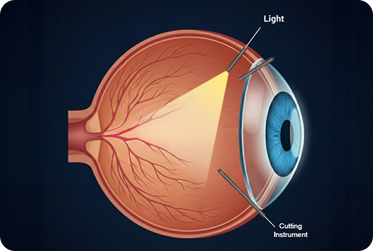
Vitrectomy Treatment: Conditions, Procedure & Benefits
Who is at Risk?
Groups of people who have high chances of undergoing vitrectomy surgery include:
- Patients with diabetic retinopathy
- Patients with retinal detachment
- People suffering from severe eye injuries
- Patients with macular hole or macular pucker
- Patients with vitreous hemorrhage
- Patients with serious eye infections
- Elderly people suffering from retinal disorders
In case of experiencing sudden vision loss, flashes, floaters, blurred vision, or eye injury, visit a retina specialist immediately for proper retina treatment and vitrectomy consultation.
ASG Treatment Options
Medications and Retina Examination
In the early stages of retinal problems, medications and detailed retina examination can help control swelling, bleeding, and infections before surgery becomes necessary.
Advanced retina imaging, retinal scans, and regular checkups help monitor disease progression and support accurate retina disease treatment planning.
Minimally Invasive Vitrectomy Surgery
Modern minimally invasive vitrectomy surgery uses advanced micro-incision technology to safely remove vitreous gel and repair retinal damage.
This advanced retina eye surgery provides faster recovery, less discomfort, minimal scarring, and improved visual recovery compared to traditional retinal surgery techniques.
Vitrectomy with Retinal Repair
In severe retinal conditions like retinal detachment, surgeons may combine vitrectomy surgery with laser treatment, retinal repair, or membrane peeling procedures.
This advanced retina surgery helps restore retinal integrity, improve retinal function, and prevent permanent vision loss.
Advanced Vitrectomy with Silicone Oil or Gas
| Feature | Medication & Monitoring | Minimally Invasive Vitrectomy | Vitrectomy with Retinal Repair | Advanced Vitrectomy with Silicone Oil |
|---|---|---|---|---|
| Best For | Mild retinal conditions | Vitreous disorders | Retinal tears/detachment | Advanced retinal diseases |
| Procedure Type | Medicines & monitoring | Micro-incision surgery | Combined retinal repair | Vitrectomy with retinal support |
| Recovery Time | Few days to weeks | 2–4 weeks | 4–8 weeks | 6–12 weeks |
| Pain / Discomfort | Minimal | Mild | Moderate | Moderate |
| Suitability for Severe Cases | ❌ Limited | ✅ Moderate | ✅ Excellent | ✅ Best option |
| Vision Improvement | Mild improvement | Significant | Major improvement | Significant recovery |
| Technology Used | Retina scans & medicines | Micro-vitrectomy systems | Laser & microsurgery | Silicone oil / gas support |
| Hospital Stay | Not required | Same day | Same day / short stay | Short stay |
| Best Advantage | Non-surgical management | Faster recovery | Repairs damaged retina | Best for complex retinal cases |
| Limitations | Limited effectiveness | May not suit severe damage | Longer healing | Additional follow-up may be needed |
Cost of Vitrectomy Surgery in India
The cost of vitrectomy surgery in India depends on the retinal condition, complexity of the procedure, and technologies used.
Factors influencing vitrectomy surgery cost include:
- Type of retinal disease
- Severity of retinal damage
- Diagnostic tests required
- Complexity of retina surgery
- Need for laser treatment or silicone oil
- Hospital infrastructure and facilities
- Expertise of retina surgeon
Advanced retina surgeries for complicated conditions like retinal detachment and diabetic retinopathy treatment may cost more due to specialized equipment and advanced surgical expertise.
Suitable Patients
You may require vitrectomy eye surgery if you have:
- Retinal detachment
- Diabetic eye disease
- Vitreous hemorrhage
- Macular hole
- Eye trauma or injury
- Persistent floaters or blurred vision
- Serious retinal infections
A qualified retina specialist will evaluate your eye condition and recommend the best retina treatment option or vitrectomy procedure.
Recovery Period
Standard Recovery Time:
- Medication and retina monitoring: Several days to weeks
- Minimally invasive vitrectomy: 2–4 weeks
- Retinal repair surgery: 4–8 weeks
- Advanced vitrectomy surgery: 6–12 weeks
Recovery care includes:
- Using prescribed eye drops regularly
- Avoiding strenuous activities
- Wearing protective eye shields
- Attending follow-up appointments
- Maintaining proper head positioning if advised
Risks & Safety
Modern vitrectomy surgery is generally very safe when performed by experienced retina surgeons.
Possible risks may include:
- Temporary blurred vision
- Eye redness and swelling
- Increased intraocular pressure
- Cataract formation
- Retinal re-detachment (rare)
- Infection or bleeding (very rare)
Advanced retina surgery technology and microsurgical techniques significantly reduce surgical risks and improve patient safety.
Why Choose ASG for Vitrectomy Surgery?
Latest Technologies
ASG Eye Hospital uses advanced retina imaging systems, micro-incision vitrectomy instruments, laser technology, and modern surgical equipment for accurate retina treatment in India.
Expert Retina Surgeons
Our highly experienced retina specialists perform vitrectomy surgery, retinal detachment surgery, diabetic retinopathy treatment, and advanced retinal procedures with precision.
Trusted Name
ASG Eye Hospital is one of the most trusted hospitals for advanced retina eye treatment in India, comprehensive retinal care, and modern eye surgery services.

Book Your Appointment

Submit Your Request
Get a Call from Our Team
Meet Your Specialist
Begin Your Eye Care Journey
Please wait...
Self Booking
Get A Call Back

Vision for All.
Not Just for Some
ASG is growing its network with 200 Vision Centres, delivering affordable eye care to over 4 million people.
Or

Every Angle of Vision.
Every Kind of Care.

Cataract
What do you understand by Cataract? A cataract is an eye condition characterized by the clouding of the natural lens in the eye, leading to vision

Diabetic Retinopathy
What Do You Understand by Diabetic Retinopathy? Diabetic retinopathy is an eye condition, it is caused by diabetes

Cornea
Cornea and Associated Diseases The cornea is the transparent front part of the eye that covers the iris, pupil, and anterior parts of an eye.

Glaucoma
Glaucoma: A Silent Thief of Sight Glaucoma is an eye condition that directly damages the optic nerve (the bundle of nerve fibers that carries..

Neuro-Ophthalmology
What is Neuro-Ophthalmology? Neuro ophthalmology is a combination of super specialty of both neurology and ..
Clear Answers for Better Vision
What is vitrectomy surgery?
Vitrectomy surgery is a specialized retina surgery used to remove vitreous gel and treat retinal diseases.
When is vitrectomy surgery done?
It is commonly performed for retinal detachment, diabetic retinopathy, vitreous hemorrhage, macular hole, and severe eye infections.
Is vitrectomy surgery painful?
No, vitrectomy eye surgery is generally painless because anesthesia is used during the procedure.
How long does vitrectomy surgery take?
Most vitrectomy procedures take approximately 1–3 hours depending on the retinal condition being treated.
How long does recovery take after vitrectomy surgery?
Recovery after retina surgery may take several weeks to months depending on the complexity of the procedure.
When should I see a retina specialist?
Consult a retina specialist immediately if you experience sudden vision loss, flashes, floaters, blurred vision, eye injury, or distorted vision.