
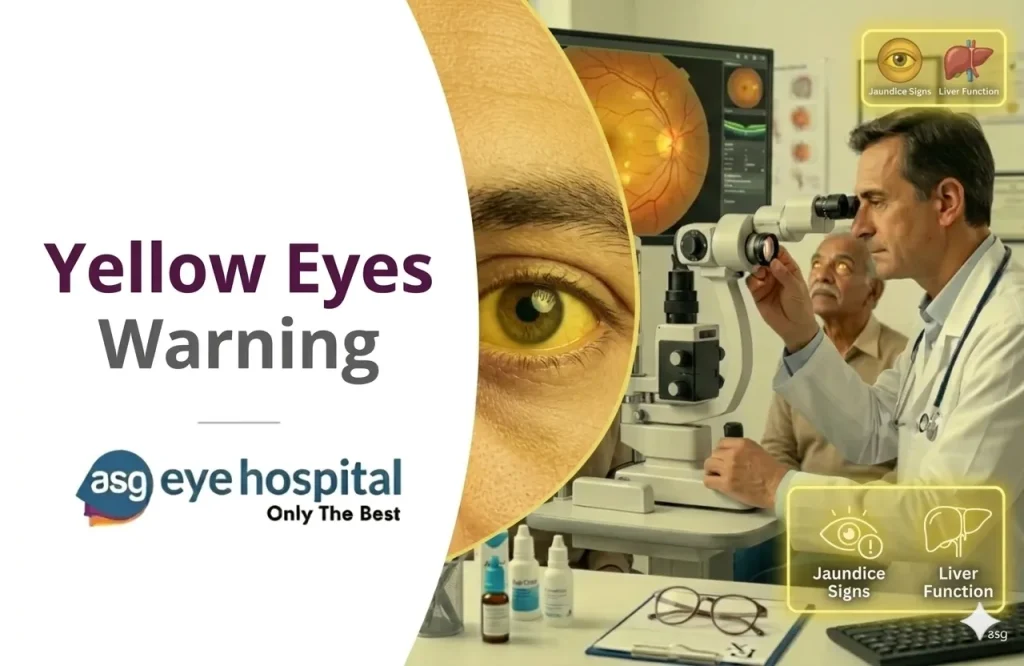
Yellow eyes are often noticed by someone else before the person themselves sees it. The change is gradual enough that a familiar mirror misses it. When it is pointed out, the instinct is to dismiss it -tiredness, lighting. But a genuine yellowing of the whites of the eyes is rarely trivial, and rarely an eye condition.
What Makes the Whites of the Eyes Turn Yellow
The white of the eye -the sclera -is normally close to white or off-white. When it turns yellow, the medical term is scleral icterus. The cause is bilirubin, a yellow pigment from red blood cell breakdown, accumulating in the blood and depositing in tissues. The sclera shows this early because it has a high affinity for bilirubin, making yellow eyes one of the first visible signs of elevated bilirubin.
Bilirubin is normally processed by the liver, incorporated into bile, and excreted. When that process is disrupted -because the liver is damaged, the bile ducts are blocked, or red blood cells are breaking down too rapidly -bilirubin accumulates. The eyes reflect this before the skin typically does.
Yellow Eyes Causes: What Is Usually Behind It
The most common yellow eyes causes involve the liver, the bile ducts, or the blood. Jaundice -itself a symptom rather than a diagnosis -is the most frequent presentation. The conditions driving jaundiced eyes include:
- Hepatitis A, B, or E -viral liver infections. In India, hepatitis A and E are common causes of acute jaundice, particularly associated with contaminated water during and after the monsoon. Hepatitis B affects an estimated 40 million people in India.
- Cirrhosis -chronic scarring of the liver from alcohol use, fatty liver disease, or long-term viral hepatitis, impairing the liver’s ability to clear bilirubin
- Bile duct obstruction -from gallstones or tumours blocking the bile ducts, causing bilirubin to back up into the bloodstream
- Haemolytic anaemia -abnormally rapid breakdown of red blood cells produces more bilirubin than even a healthy liver can process
- Certain medications -some drugs cause liver stress or interfere directly with bilirubin metabolism as a side effect
A localised yellow growth on the conjunctiva called a pinguecula can also give the eye a yellowish tint in one area, usually near the nose. This is unrelated to bilirubin and is benign, though it can cause cosmetic concern.
Liver and Eyes Yellow: Why the Connection Is Direct
The link between the liver and the yellowing of the eyes is the liver’s central role in bilirubin clearance. When liver function is compromised, bilirubin accumulates faster than it can be excreted. It deposits in tissues throughout the body, the conjunctiva being among the most visible and among the earliest to show the change.
In acute viral hepatitis, yellow eyes typically appear in the first week alongside fatigue and nausea. In chronic liver disease, the yellowing fluctuates with the liver’s variable residual function and In both cases, the eyes reflect bilirubin accumulation before most other signs become obvious.
If my yellow eyes come and go, does that mean the liver is recovering?
Not necessarily. In chronic liver disease, bilirubin levels fluctuate, and the visible yellowing can appear and partially resolve without underlying recovery. The only reliable way to assess liver function is through blood tests, not the appearance of the eye.
Also read: Yellow Eyes (Jaundice): Causes, Symptoms & When to See a Doctor
Other Symptoms That Appear Alongside Jaundice Eyes
Yellow eyes rarely appear in isolation when the cause is systemic. The accompanying signs usually indicate the underlying process and its severity:
- Dark or tea-coloured urine -appearing around the same time as the yellowing, caused by excess bilirubin being excreted by the kidneys
- Pale, clay-coloured, or greasy stools -indicating bile is not reaching the digestive tract normally
- Generalised itching without a visible rash -bile salt accumulation in the skin
- Fatigue, nausea, and loss of appetite
- Right upper abdominal pain or tenderness
- Confusion or mental cloudiness -in advanced liver disease, this can indicate hepatic encephalopathy, a medical emergency
Yellow Eyes Treatment: Why It Starts With the Cause
Yellow eyes treatment starts with the underlying systemic cause, not the eye. Scleral icterus cannot be treated directly. Treatment targets the driver: antivirals for hepatitis, surgical intervention for bile duct obstruction, anaemia management, or medication review.
For pinguecula-related localised yellowing with no systemic involvement, observation is usually all that is needed. Lubricating drops manage any associated surface irritation. If the growth becomes symptomatic or cosmetically significant, a straightforward surgical procedure removes it.
When Yellow Eyes Need Medical Attention
Yellow eyes that appeared recently, yellowing that has progressed, or yellowness accompanied by any of the symptoms listed above all require prompt medical assessment -not observation at home. This is not a presentation to manage with eye drops or home remedies and revisit in a few weeks.
New or worsening yellow eyes warrant a same-day or next-day assessment. Confusion, severe abdominal pain, or high fever alongside yellow eyes is a medical emergency. An eye examination can confirm whether true scleral icterus is present and direct the appropriate systemic investigation.
Final Thoughts on Yellow Eyes and What They Mean
Yellow eyes are the body’s visible signal that something systemic needs attention. The eye examination establishes whether what is present is true scleral icterus or a benign localised change, and directs the patient to the right next step -liver function tests, haematology, imaging, or none.
ASG Eye Hospital, with centres in Kolkata, Guwahati, Patna, and more, assesses yellow eye presentations from the first visit. The slit-lamp examination distinguishes true scleral icterus from localised conjunctival changes and provides clarity on whether eye-specific care, systemic investigation, or both are needed.
FAQs
1. What are the most common yellow eyes causes?
Jaundice from liver disease, bile duct obstruction, haemolytic anaemia, and viral hepatitis are the most frequent. In India, hepatitis A and E linked to contaminated water are common seasonal causes of acute jaundice eyes.
2. Are yellow eyes always a sign of liver disease?
Not always -haemolytic anaemia and bile duct blockage can also cause scleral icterus without the liver being the primary problem. Liver involvement is the most common cause and should always be investigated when yellow eyes appear.
3. What is scleral icterus?
The medical term for yellowing of the whites of the eyes caused by elevated bilirubin. It is often the earliest visible sign of jaundice and appears before the skin typically yellows.
4. Can yellow eyes be treated at home?
No. Yellow eyes from elevated bilirubin require medical investigation and treatment of the underlying systemic cause. Home remedies do not address bilirubin accumulation. Localised yellowing from a pinguecula is benign and may not need treatment at all.
5. How quickly do I need to see a doctor for yellow eyes?
Promptly -within the same day or next day if the yellowing is new or worsening. Immediately if accompanied by confusion, severe abdominal pain, or high fever, which can indicate advanced liver failure or a medical emergency.