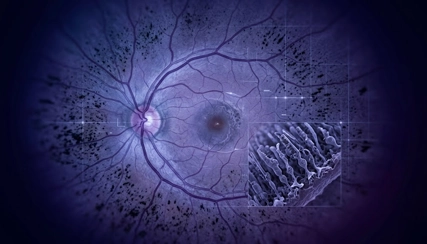
Why is Retinitis Pigmentosa Serious?
No early noticeable symptoms in some cases
Progressive and irreversible vision loss
Affects night vision first
Can lead to tunnel vision and eventual blindness
Early diagnosis helps manage progression and improve quality of life
Symptoms of Retinitis Pigmentosa
Early Symptoms:
Progressive Symptoms:
Advanced Stage:
Symptoms usually begin in childhood or adolescence and worsen gradually
Causes of Retinitis Pigmentosa
Retinitis pigmentosa is caused by genetic mutations that affect retinal cells.
Key Causes:
More than 100 different genes have been linked to RP.
Risk Factors
Family history of retinitis pigmentosa
Genetic inheritance (autosomal dominant/recessive or X-linked)
Certain syndromes (e.g., Usher syndrome)
RP is primarily a genetic condition, not lifestyle-related
Types of Retinitis Pigmentosa
1. Autosomal Dominant RP
2. Autosomal Recessive RP
3. X-linked RP
When Should You See a Doctor?
Consult an eye specialist if you notice:
Difficulty seeing at night
Reduced side vision
Frequent tripping or bumping into objects
Family history of retinal disease
Early screening is crucial for managing progression
Diagnosis of Retinitis Pigmentosa
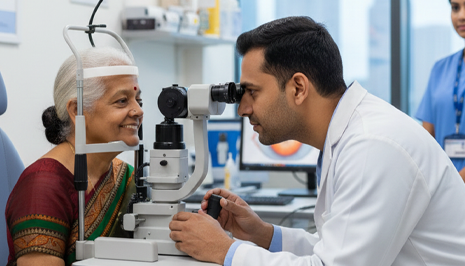
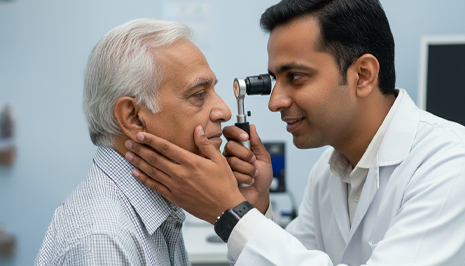
A comprehensive eye examination includes:
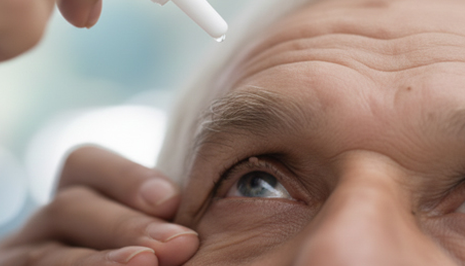
Dilated eye exam
Electroretinography (ERG) – measures retinal response
Visual field test – detects peripheral vision loss
Genetic testing – identifies gene mutation
Treatment Options for Retinitis Pigmentosa
Currently, there is no complete cure, but treatments focus on slowing progression and improving quality of life.
Vision Support & Rehabilitation
Low vision aids
Mobility training
Assistive devices
Medical & Emerging Treatments
Gene therapy (for specific mutations)
Retinal implants (in selected cases)
Clinical trials for new therapies
Early intervention can help preserve functional vision
Retinitis Pigmentosa Treatment Cost in India
Estimated Cost Range:
Diagnostic tests: ₹5,000 – ₹20,000
Genetic testing: ₹10,000 – ₹50,000
Advanced therapies: ₹50,000 – ₹3,00,000+
Book Retina Consultation & Genetic Testing
Recovery & Long-Term Management
Lifelong condition requiring monitoring
Vision gradually declines over time
Early support improves independence
Regular follow-ups are essential
Why Choose ASG Eye Hospital?
Advanced retina diagnostics (ERG, OCT, genetic testing)
Experienced retina specialists
Access to latest treatment approaches
180+ hospitals across India
Comprehensive low-vision rehabilitation