The human eye is very expressive not just emotionally but also in sharing internal issues. Most individuals think that the loss of vision occurs suddenly and quickly, and there is no time to intervene. However, the fact of the matter is very different. In the vast majority of cases, the eyes give us warning signs, which are slight, but reparable, long before any serious injury has taken place. Understanding cataract symptoms Varanasi, such as cloudy vision, increased sensitivity to glare, or fading of colours, can help patients seek timely intervention. The experts around the world always highlight one lesson: the lack of pain does not mean that everything is all right. Existence of minor, often neglected modifications should be given the highest priority.
What Are the Early Warning Signs of Vision Loss?
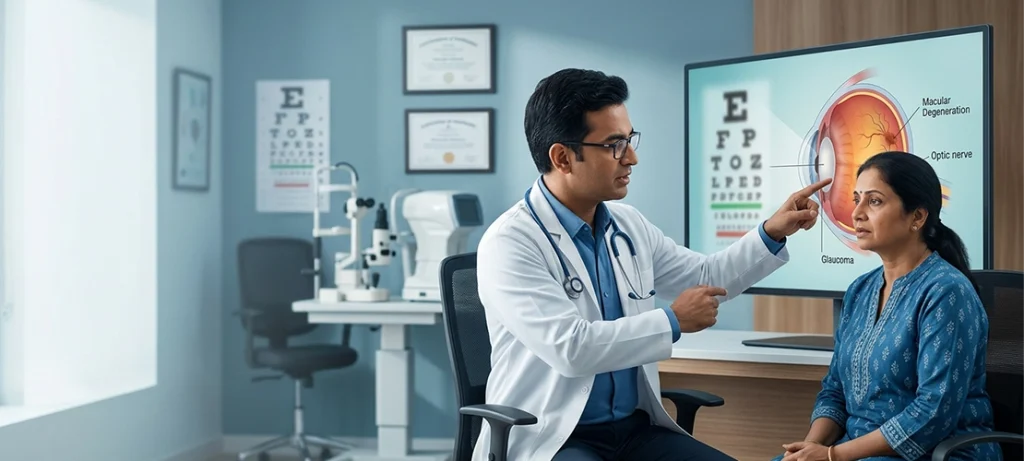
Early warning signs of vision loss include persistent blurred vision, difficulty seeing at night, blind spots, distorted vision, frequent headaches, flashes of light, sudden floaters, and loss of peripheral vision. These symptoms may indicate conditions such as cataracts, glaucoma, retinal disorders, or macular degeneration. Early diagnosis and treatment can help preserve eyesight and prevent permanent vision loss.
Gradual Blurring That You Keep Blaming on Tiredness
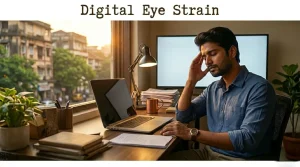
One of the earliest and least noticeable warning signs of future vision loss is a gradual, progressive blurring of vision, something most humans automatically attribute to screen fatigue, and sleeplessness along with even a demanding work environment. Persistence is the crucial difference. In most cases, temporary blurriness which resolves with rest is not harmful. In cases of frequent blurring, in one eye more than the other, or in cases where the blurring seems to be progressively worsening over weeks or months, this could be a sign of underlying refractive change, early cataract, or, in some cases, the onset of a retinal problem that should be examined by an eye surgeon or specialist.
Difficulty Seeing Clearly in Low Light or at Night
Among the initial functional indicators of a number of serious eye issues is a noticeable deterioration in the capacity to comfortably observe in dim light or drive at night. The initial sign of retinitis pigmentosa, vitamin A deficiency and early cataract development, and glaucomatous alterations in the retinal nerve may make it hard to adapt to the low light conditions. Modern eye technology has made it possible to detect these subtle changes far earlier than before, helping eye specialists identify the root cause before the condition worsens. This is a natural ageing process that most adults overlook, and silently modify their lifestyles, such as driving at night or going to low light areas, without ever considering this change in the lifestyle habits as possible underlying eye problems that can be diagnosed and treated.
Common Warning Signs of Vision Loss and What They May Indicate
| Warning Sign | Possible Eye Condition |
|---|---|
| Persistent Blurred Vision | Cataracts, refractive errors, retinal disorders |
| Difficulty Seeing at Night | Cataracts, glaucoma, retinal diseases |
| Blind Spots in Vision | Macular degeneration, retinal damage |
| Wavy or Distorted Lines | Diabetic macular edema, macular degeneration |
| Frequent Headaches | Uncorrected vision problems, eye strain |
| Sudden Floaters | Vitreous changes, retinal tears |
| Flashes of Light | Retinal traction or retinal detachment |
| Loss of Peripheral Vision | Glaucoma and optic nerve damage |
A Blind Spot, Distorted Lines, or a Missing Patch in Your Vision
A patch of vision that appears continuously darker or non-existent, a small blind spot forming in the central visual field, or straight lines appearing wavy or curved are symptoms that should never be ignored or explained away. These are some of the typical initial warning signs of diabetic macular oedema along with degeneration of the macula, particularly in the wet type. The eye specialist uses a simple tool, known as the Amsler grid, to enable patients to monitor these distortions at home. Any alteration found during this kind of self-monitoring should promptly result in an urgent appointment with an ophthalmologist.
Frequent Headaches Originating Around or Behind the Eyes
After periods of visual focus, persistent headaches that start behind the eyes, in the temples, or at the back of the head are often associated with vision along with mistakenly attributed to tension, along with stress, in addition to dehydration. Uncorrected refractive defects, especially hyperopia and astigmatism, cause the eye muscles to overwork in an effort to maintain focus. This prolonged muscular effort results in headache patterns that return predictably following close-detail work, and screen time, along with reading. These headache patterns are considered by eye experts to be among the most reliable indirect signs that a thorough examination of the eyes is overdue.
Sudden Floaters, Flashes of Light, or a Curtain Across Vision
Long-term, random floaters are usually benign, but a sharp rise in their frequency, especially when accompanied by flashes of light in peripheral vision, is a symptom that requires same-day medical attention. These symptoms may suggest that the vitreous gel within the eye is separating from the retina; in certain instances, this separation results in a tear or detachment of the retina. An actual ocular emergency occurs when a shadow or dark curtain appears across any portion of the field of vision. Eye physicians are clear: this combination of symptoms should never be monitored and left overnight.
Peripheral Vision Narrowing Without Any Obvious Awareness
Glaucoma is also known as the silent thief of sight, and rightfully so, as it begins to heal peripheral vision, making most patients gradually lose large portions of their visual field without ever knowing it. The brain compensates early peripheral loss in a way that is simply amazingly effective and puts the gaps back in place, giving the effect of normal vision. Significant and irreparable nerve damage has already taken place by the time a patient experiences tunnel vision or runs into objects at the borders of their path. The only effective technique to detect glaucoma before this stage is by routine intraocular pressure monitoring and visual field tests.
Conclusion
The eyes are one of the most honest organs in the human body; only those who are paying attention may see signs of distress long before the damage is irreversible. Regular examinations are not emphasized by an eye doctor as a formality. They do this because the disorders that cause most avoidable blindness globally are all observable in their early stages and all respond far better to eye treatment when detected before irreparable damage occurs.
Whether someone is exploring eye health options for cataract surgery in Varanasi from the top eye hospital like ASG Eye Hospital or simply monitoring gradual changes in their vision, the principle remains the same, early action delivers far better outcomes than delayed response. The most effective way for any adult to preserve their eyesight is to pay attention to what their eyes are telling them and respond to those signals with expert advice rather than self-assurance.
FAQs
1. What are the earliest signs of vision loss?
Common early signs include blurred vision, eye strain, difficulty seeing at night, headaches, and changes in visual clarity.
2. Can vision loss occur without pain?
Yes. Many serious eye conditions such as glaucoma, diabetic retinopathy, and cataracts develop without pain in their early stages.
3. Why is blurred vision a warning sign?
Persistent blurred vision may indicate refractive errors, cataracts, retinal diseases, or other eye conditions that require evaluation.
4. What do flashes of light and floaters mean?
A sudden increase in floaters or flashes of light may signal a retinal tear or retinal detachment and requires immediate medical attention.
5. How does glaucoma affect vision?
Glaucoma gradually damages the optic nerve and often causes peripheral vision loss before affecting central vision.
6. When should I see an eye doctor for vision changes?
You should schedule an eye examination if you experience persistent blurry vision, headaches, blind spots, floaters, flashes, or difficulty seeing at night.
7. Can cataracts cause vision loss?
Yes. Cataracts can cause cloudy vision, glare sensitivity, faded colours, and gradual vision loss if left untreated.
8. How can regular eye exams help prevent vision loss?
Routine eye examinations help detect eye diseases early, allowing treatment before significant or permanent vision damage occurs.