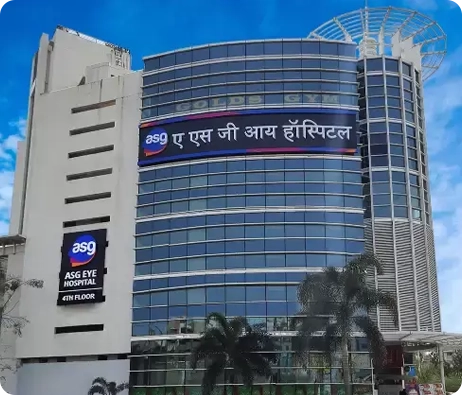
Why Choose ASG Eye Hospital for Diabetic Retinopathy Treatment in Pune?
Comprehensive Retina Assessments
Our specialists perform detailed evaluations to understand retinal health and identify any signs of diabetic eye disease.
Modern Diagnostic Infrastructure
Advanced diagnostic technology enables detailed examination of:
- Retinal blood vessels
- Macular health
- Retinal thickness
- Visual function
- Overall ocular condition
These assessments help support accurate diagnosis and ongoing monitoring.
Personalized Eye Care Plans
Every patient’s retinal condition is different. Our treatment recommendations are tailored according to:
- Age and lifestyle
- Duration of diabetes
- Existing eye conditions
- Retinal findings
- Visual requirements
Dedicated Retina Care Team
Our experienced specialists provide focused care for diabetic retinal disorders and other retinal conditions.
Diabetic Retinopathy Services Available at ASG Eye Hospital Pune
Detailed Diabetic Eye Examination
A comprehensive eye examination helps identify retinal changes associated with diabetes.
Advanced Retinal Imaging
High-resolution retinal scans allow specialists to document and monitor retinal health with precision.
Macular Evaluation
Since diabetes can affect the macula, detailed assessment helps evaluate central vision health.
Diabetic Retina Screening Programs
Routine screening helps identify concerns before symptoms begin affecting vision.
Laser Treatment Evaluation
Certain diabetic retinal conditions may require assessment for laser-based treatment options.
Advanced Retina Treatment Assessment
Patients with specific retinal findings may be evaluated for additional treatment approaches as recommended by the retina specialist.
Long-Term Follow-Up Monitoring
Regular reviews help track disease progression and support informed treatment decisions.
Supporting Lifelong Vision Health
Managing diabetic retinopathy is not limited to treating existing retinal changes. Ongoing monitoring, preventive care, and regular eye examinations are essential components of preserving vision over time.
At ASG Eye Hospital Pune, we focus on helping patients maintain healthy vision through advanced diagnostics, personalized care, and continuous retinal monitoring.
Comprehensive Retina Care Services in Pune
Patients visiting ASG Eye Hospital Pune can access:
- Diabetic retinopathy consultations
• Retina specialist evaluations
• Comprehensive retinal examinations
• Retinal imaging services
• Macular assessments
• Diabetic eye screening programs
• Laser treatment evaluations
• Preventive retina care
• Long-term retinal monitoring