Diabetic retinopathy is one of the severe conditions existing in patients’ eyes with diabetes and progressively develops without warning signs, mostly manifesting at the beginning of this eye complication. Hence, it mandates regular eye checkups that help in its early diagnosis and treatment. Here are vital facts about diabetic retinopathy that everyone should be knowledgeable about:
What is Diabetic Retinopathy?
Diabetic retinopathy is one of the complications of diabetes, which involves the eyes. It happens when high blood sugar levels finally damage the blood vessels within the retina. The retina is the light-sensitive tissue at the back of the eye that needs to be functioning properly since it translates light into signals transmitted to the brain through the optic nerve, enabling us to see.
What are the Causes of Diabetic Retinopathy?
These damaged blood vessels may leak fluid or bleed, then swell and cause problems with vision. Sometimes, new abnormal blood vessels can grow on the retina. These may further leak and lead to bleeding into the interior of the eye, called the vitreous, from where it is likely to cause loss of vision or even blindness.
There are two Major Types of Diabetic Retinopathy.
- NPDR (non-proliferative diabetic retinopathy): This is the early stage, where the small blood vessels in the retina start to become weak. They can leak fluids or blood. The leakage causes the retina to swell, and that is called macular edema, or it forms deposits called exudates.
- Proliferative diabetic retinopathy (PDR): As the disease worsens, new abnormal vessels can proliferate on the surface of the retina or grow into the vitreous gel; this is called neovascularization. The new vessels are weak and might leak blood; this can cause severe vision loss or even blindness.
What are the Risk Factors of DR?
Several factors increase a person’s risk of developing diabetic retinopathy. These risks include:
- The length of time a person has had diabetes: The longer a person has had this disease, the higher his or her chance of developing diabetic retinopathy. Long-term high blood sugar levels spur this damage to the blood vessels in the retina.
- One more inclusion in the list of risk factors for the development of diabetic retinopathy is poor blood glucose control. A fast blood sugar level is too high or fluctuating can speed up the advancement of the disease.
- Blood pressure again forms a major risk factor for diabetic retinopathy. If a person has high blood pressure, that certainly strains blood vessels throughout their body, and this also includes the vessels in the retina; they will be more prone to damage caused by diabetes.
- Besides, high levels of cholesterol, triglycerides, and other blood lipids can enhance the progression of diabetic retinopathy. This is partly mediated through vascular damage and an increase in inflammation.
- The causes are type 1 diabetes, generally in children and young adults, and type 2 diabetes, which normally occurs in adults and is related to lifestyle factors.
- Pregnancy increases the risk of first developing or worsening diabetic retinopathy in women with diabetes due to hormonal changes and fluctuating blood sugar during this time.
- Ethnic groups, such as African Americans, Hispanics, and Native Americans, have a higher prevalence rate of suffering from diabetes, therefore, placing them at an increased risk of developing diabetic retinopathy.
- Smoking increases the risk of diabetic retinopathy and may also cause it to progress more quickly. Chemicals in tobacco smoke damage blood vessels and increase vascular problems that may be present due to diabetes.
- Family history/ genetics can play a role in developing diabetic retinopathy. Those with family members having diabetes or its complications may potentially face an increased risk.
Symptoms of DR
In its first phase, diabetic retinopathy may not show any signs at all. When it gets to an advanced phase, it can result in:
- Blurry or fluctuating vision: Fluid leakage from blood vessels in the retina may cause swelling (macular edema) that blurs central vision necessary for activities like reading and driving.
- Floaters: These are specks or spots “floating” across your line of vision, occurring as blood leaks into the vitreous—the gel-like substance that fills the eye. Floaters can be dark strings or spots.
- Colors look faded or less vibrant than usual in appearance.
- As diabetic retinopathy progresses and vessels become leaky or malformed, areas of vision may appear dark or empty. This is a condition due to damage to the back area of the retina or bleeding into the eye.
- Inability to see Clearly at Night: A person could be experiencing decreased night vision whereby he has problems seeing at night.
- Sudden and severe loss: In the more serious form, diabetic retinopathy can cause sudden and severe loss as a result of bleeding into the vitreous or detachment of the retina.
Regular Eye Tests
Most cases of early diabetic retinopathy do not show symptoms. It is important to get regular diabetic eye tests so that changes in the retinal blood vessels can be detected and managed early on. Since people with diabetes need a dilated eye exam at least once a year, it is especially true—even if they do not see very well.
Diabetic Retinopathy Screening
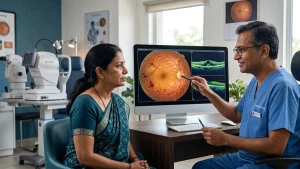
This would include annual eye exams if one has diabetes. The pupils are dilated, and the retina is checked with specialized equipment for any damage caused by diabetes. With early detection, timely treatment can be done to avoid potential blindness.
Treatment for Diabetic Retinopathy
The treatment will depend on how advanced the diabetic retinopathy is:
- Medication and lifestyle modification: optimum management of Diabetes with lifestyle modification and medications should be instilled. This includes a good diet and exercise, besides insulin or oral medications. Better glycemic control will retard the progression of diabetic retinopathy and decrease the incidence of potential blindness.
- Focal Laser Treatment: This treats macular edema or swelling of the central part of the retina. A laser seals off the leaking vessels, reducing swelling.
- Panretinal Photocoagulation (PRP): Also known as scatter laser treatment, this is for proliferative diabetic retinopathy. A laser would be applied in areas of the retina away from the macula, shrinking the abnormal vessels to decrease the chances of bleeding.
- Intravitreal Injections: VEGF stands for Vascular Endothelial Growth Factor. These medications are injected into the vitreous gel of the eye to slow the growth of new unwanted blood vessels and reduce leakage active in the eye. Anti-VEGF injections are used in the treatment of diabetic macular edema and proliferative diabetic retinopathy.
- Vitrectomy: A person may be prescribed a vitrectomy in advanced cases where there is extensive bleeding into the vitreous or in cases of retinal detachment. It is a surgical procedure where the removal of the vitreous gel is done and replaced by a clear solution for better vision.
- Steroid Injections: Corticosteroid medications are also injected into some diabetic macular edema patients to get rid of excess accumulation of fluid within the retina because it swells up.
- Combination Therapy: Based on the individual’s condition, a scheme consisting of a combination of treatments would be recommended for its best effect. This includes laser treatment along with anti-VEGF injections for the most effective treatment of diabetic retinopathy.
Prevention:
To prevent diabetic retinopathy:
- Good management of diabetes through a good diet, exercise, and any relevant medication
- Control blood pressure and cholesterol
- Do not Smoke
- Attend regular check-ups for diabetes and eye examinations.
Lifestyle Factors
A healthy lifestyle confers a passive approach to preventing and controlling diabetic retinopathy. A healthy diet, exercise, stress management, and no smoking can slow down the occurrence of diabetes and its complications that may lead to DR.
Conclusion:
Thus, it is the last-mile complication of diabetes: diabetic retinopathy. One can easily lose his or her vision in case it is not well managed. Being aware of facts about diabetic retinopathy and having regular diabetic retinopathy screenings, accompanied by early intervention, is key to maintaining vision and ensuring general eye health for persons with diabetes. By being proactive in managing diabetes and living a good life, people can reduce their risks and maximize their chances of good eye health dramatically.