Varanasi is a place that holds a special place in the hearts of millions of people due to its spiritual importance, and cultural heritage, along with a sense of community. Moreover, the city has a large and growing elderly population with many suffering from more severe eye problems such as diabetic eye disease, glaucoma and cataracts as well as the usual visual impairments associated with age. Choosing the best eye hospital Varanasi for senior citizens is not merely choosing the nearest eye hospital. It’s essential to locate a facility that appreciates the medical, psychological and practical requirements elderly people bring to the table every time that they come in.
What Should Senior Citizens Look for in an Eye Hospital?
Senior citizens should choose an eye hospital that offers comprehensive eye care, experienced ophthalmologists, advanced diagnostic technology, cataract and glaucoma management, retinal monitoring, accessible infrastructure, transparent communication, and long-term follow-up support. A senior-friendly eye hospital helps preserve vision, independence, and quality of life.
Comprehensive Geriatric Eye Care Under One Roof
Rarely do elderly people have a specific, distinct eye ailment. An old age patient at an eye hospital in Varanasi can have age-related macular degeneration, early-stage glaucoma, cataract in one or both eyes, and the eye complications arising out of long-term diabetes or hypertension. A senior eye care centre fully equipped to treat all of these disorders can offer all-inclusive services, while medical professionals work together and communicate with one another. Fragmented care, in which seniors must visit multiple eye doctors to receive treatment for related issues, is not only a hassle but also a risk for their health.
Key Features of the Best Eye Hospitals for Senior Citizens
| Essential Feature | Benefit for Senior Citizens |
|---|---|
| Comprehensive Eye Care | Manages cataracts, glaucoma, retina disorders, and diabetic eye disease under one roof |
| Senior-Friendly Infrastructure | Easier navigation with ramps, elevators, and accessible facilities |
| Experienced Ophthalmologists | Personalized care tailored to age-related eye conditions |
| Advanced Diagnostic Technology | Early detection of glaucoma, retinal diseases, and vision changes |
| Long-Term Monitoring Programs | Tracks chronic eye conditions effectively over time |
| Cataract Surgery Services | Restores vision and improves daily independence |
| Coordination with General Health Conditions | Supports patients with diabetes, hypertension, and other health concerns |
| Transparent Communication | Helps patients and families make informed treatment decisions |
Accessibility and Physical Infrastructure That Respects Elderly Patients
The physical environment of an eye hospital is important for the elderly, many with joint pain, poor mobility or difficulties navigating through crowded, active spaces. A truly senior-friendly hospital in Varanasi will have elevators and ramps next to steps, seats that are easily accessible, an abundance of information displayed in large print, including guidance on procedures like eye lense replacement, in addition to consultation rooms that will not require a long trek through a labyrinth of hallways. These are basic elements of safety and dignity along with revealing the importance of a facility’s commitment to the care of its older patients, not luxuries.
Experienced Ophthalmologists with Geriatric Sensitivity
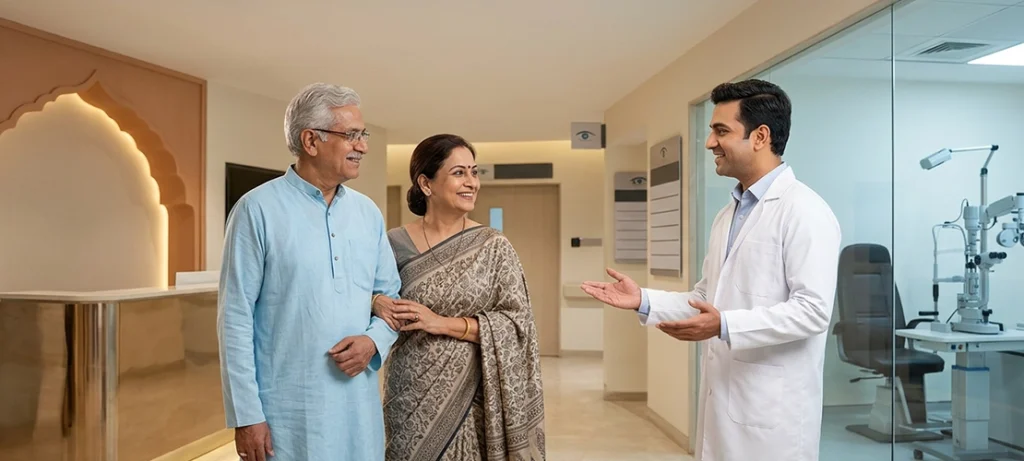
An eye surgeon or eye specialist clinical skill is crucial, but it needs to be combined with a certain level of interpersonal sensitivity for older patients. Senior individuals commonly experience concern about surgical procedures stemming from decades-old conceptions of eye surgery as unpleasant or risky, require more time to process information, and may have hearing issues that impact consultation dynamics. In addition to having clinical expertise, the top eye hospitals for senior citizens in Varanasi will have physicians who are patient, use plain language, involve family members appropriately, and never make an elderly patient feel hurried or ignored during a consultation.
Glaucoma and Retinal Monitoring Programmes for Long-Term Management
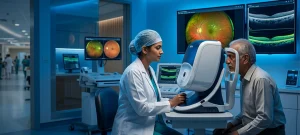
Glaucoma and retinal degeneration, two of the most dangerous age-related eye disorders, are chronic in nature, requiring continuous care over months or years rather than a single treatment. Instead of episodic care, senior citizens want an eye hospital that provides structured long-term monitoring programs. This comprises visual field testing, top eye technology like OCT imaging for retinal evaluation, routine intraocular pressure checks, and a system that actively monitors changes in a patient’s condition over time rather than treating each visit as a singular event. For senior patients, continuity of eye treatment is a basic therapeutic necessity, not an extra perk.
Support for Systemic Conditions That Directly Affect Eye Health
Most elderly people in Varanasi who have vision problems are also dealing with one or more systemic illnesses, most frequently diabetes, hypertension, or thyroid disorders, all of which have been shown to have detrimental effects on eye health. This junction is acknowledged and included into the evaluation and care of patients in a hospital that is truly prepared for senior eye care.
Transparent Communication, Affordable Care, and Family Involvement
The financial aspect of therapy is a very real and quite fair worry for many senior folks in Varanasi, who make healthcare decisions as a family. Best eye hospitals for senior citizens actively involve the family members during the consultation session and pre-surgical counselling, inform about the price in an open and transparent way, and discuss all the possibilities without pushing. Elderly patients deserve the best possible treatment from their facilities, and this includes being given clear post-operative instructions in their own language along with being informed of the difference between necessary and non-essential procedures.
Conclusion
For senior folks in Varanasi, receiving high-quality eye care is a need that should be satisfied at home with respect, knowledge, and sincere compassion. It is not a luxury to be sought in far-off places. The ideal eye hospital for a cataract treatment Varanasi like ASG Eye Hospital for an elderly patient is one where human sensitivity and clinical brilliance coexist in equal measure, where the physical setting facilitates rather than hinders, and where the doctor-patient connection is based on trust and patience. Every elderly adult in Varanasi should have access to care that fully respects the fact that having good vision in later life is one of the most important factors in independence, safety, and happiness.
FAQs
1. Why do senior citizens need regular eye examinations?
Regular eye exams help detect age-related eye diseases such as cataracts, glaucoma, macular degeneration, and diabetic retinopathy before significant vision loss occurs.
2. What eye conditions are most common among seniors?
Common age-related eye conditions include cataracts, glaucoma, age-related macular degeneration, diabetic retinopathy, and dry eye syndrome.
3. How often should senior citizens have an eye checkup?
Most seniors should undergo a comprehensive eye examination at least once a year or more frequently if recommended by their eye specialist.
4. What makes an eye hospital senior-friendly?
Senior-friendly hospitals provide accessible infrastructure, experienced doctors, patient-centered communication, advanced diagnostics, and comprehensive treatment services.
5. Why is glaucoma monitoring important for seniors?
Glaucoma often develops without noticeable symptoms and can cause permanent vision loss if not detected and managed early.
6. How does diabetes affect eye health in older adults?
Diabetes can damage retinal blood vessels, increasing the risk of diabetic retinopathy, macular edema, cataracts, and glaucoma.
7. Is cataract surgery safe for elderly patients?
Yes. Modern cataract surgery is highly safe and effective, helping many seniors regain clear vision and improve quality of life.
8. Why is family involvement important in senior eye care?
Family members often help with medical decisions, transportation, medication management, and post-treatment care, improving overall outcomes.