
Many people think that they only require water when they are thirsty, tired, or dehydrated, but the eyes also play a role in that body’s fluid balance. The connection between hydration and eye health is not that water will instantly improve your vision. It is that proper hydration supports the tear film, eye surface, comfort, and day to day visual clarity. When the body is lacking in fluids the eyes may feel tired, gritty, red, or irritated.
At ASG Eye Care we see that many of our patients ask if they can improve their vision by drinking more water. What we have found is that there is a large connection between hydration and eye health but water isn’t a solution for all eye health issues. While proper water intake does support tear production and eye comfort, it does not reverse the effects of cataracts, fix refractive errors, treat glaucoma, or cure retinal disease. That said for people with mild irritation, tiredness, or dry eyes which are very common issues, better hydration does play a role in an overall eye care plan.
Why Hydration Matters for the Eyes
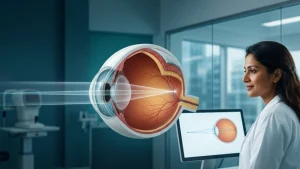
The eyes have a continuous tear film which is what they require for comfort and proper function. Each time you blink a very thin layer of tears which is spread across the eye’s front surface. This tear film which is present at all times also keeps the eye moist, washes out particles, protects against irritants, and allows light to pass in clearly. This is an issue of eye health which in turn is related to hydration and eye health. The tear film is made up of water, oils, mucus, proteins and other protective elements which all play a role together.
When the body is out of water it may not produce tears properly. Also the tears may evaporate off the eye surface faster or may just not feel as comfortable as they should. This in turn can disrupt eye lubrication which in turn may make the eyes feel scratchy, heavy, or tired. For those that are at a higher risk of dryness which includes screen use, contact lens wear, diabetes, autoimmune issues, or certain medications, poor hydration may amplify symptoms.
However this should also be put in perspective. Drinking more water does help in cases of dehydration which is a cause of eye discomfort, but it is not a replacement for a proper eye examination.
The Role of Tears in Clear Vision
Tears play a role in more than just eye moisture. They also form a smooth optical surface over the cornea which is the clear front of the eye. If the tear layer is unstable then vision may fluctuate which in turn may happen while reading, driving, or at your computer. This is also a reason that proper hydration and eye health play a role in how comfortable and your vision is all day.
People which include poor tear quality may report that their vision improves at times after a blink or use of lubricating drops. What we see is that blinking which in turn revives the tear film is what causes this. A healthy tear film plays a role in healthy vision by which it keeps the cornea smooth and protected. In the absence of sufficient tear stability even a person with the right glasses prescription may feel that their vision is not constant and clear.
| Eye function supported by hydration | How it may help | When to see an eye doctor |
| Tear film support | Helps maintain moisture on the eye surface | If dryness, burning, or watering is frequent |
| Eye surface comfort | May reduce gritty or tired-eye feeling linked to dehydration | If redness or pain continues |
| Blinking comfort | Supports smoother blinking during screen use | If you feel constant foreign-body sensation |
| Visual clarity | Helps maintain a smoother tear layer over the cornea | If blurry vision does not improve after blinking |
| Daily comfort | Supports general eye wellness with other healthy habits | If symptoms affect work, sleep, or driving |
Can Drinking More Water Prevent Dryness?
Drinking sufficient water may lessen that of dehydration but we should note that it does not prevent all causes of dry eyes. Eye dryness may also be a result of the eyes’ reduced production of tears, tears that evaporate too fast, and the improper function of tear film. Also at play are age, hormonal changes, long term screen use, contact lens wear, allergies, dry weather, air conditioning, smoking, and certain medications.
Drinking sufficient water may lessen that of hydration and eye health should note that it does not prevent all causes of dry eyes. Eye dryness may also be a result of the eyes’ reduced production of tears, tears that evaporate too fast, and the improper function of tear film. Also at play are age, hormonal changes, long term screen use, contact lens wear, allergies, dry weather, air conditioning, smoking, and certain medications.
Water is a component of the system which doesn’t equate to a diagnosis. If your eyes are dry after extended screen time or a hot day, better hydration and eye breaks may help. If your symptoms persist daily, an eye exam is the wise choice.
Hydration, Screen Time, and Daily Eye Strain
Modern day screen use has brought into sharper focus the connection between hydration and eye health. We see that as the time spent on laptops and mobile phones grows so does the issue of reduced blinking. Less blink means that the tear film evaporates at a faster rate which in turn causes dryness, tiredness, or a burning sensation. If this is taking place in an air conditioned setting and also the person is not drinking sufficient water the discomfort may become more.
Good hydration is key when it comes to screen health. Which also includes taking breaks often, conscious blinking, adjusting the screen’s brightness, and positioning the screen a bit lower than eye level so you may notice less strain. For the person that has a daily screen time routine also include in your regime proper lighting in your environment, getting enough sleep, and into a regular eye exam schedule.
Water doesn’t directly treat digital eye strain, but it does support the body’s natural moisture balance. In combination with good screen habits it contributes to better comfort throughout the day.
Signs Your Eyes May Be Affected by Poor Hydration
Eye issues from lack of proper hydration are generally mild in nature but they do disrupt your routine. You may see a dry, gritty, or tired sensation which tends to get worse by the end of the day. Also some people report a burn sensation, mild redness or a temporary blur which improves with blink. In these situations pay attention to your hydration and eye health level and that of your eyes, also note if your water intake is low.
Still also it is true that not all symptoms are a result of dehydration. Pain, very deep redness, sudden vision loss, light sensitivity, discharge, or persistent blurring are reason to see a doctor. These symptoms may in fact be of an infection, inflammation, corneal injury, glaucoma or other eye diseases which in turn require proper treatment.
| Symptom | Possible link with hydration | What you should do |
| Mild tired eyes | May worsen when fluid intake is low | Drink water, rest the eyes, and blink often |
| Gritty feeling | May be related to tear film dryness | Improve hydration and consider an eye exam if frequent |
| Burning during screen use | May be linked to reduced blinking and evaporation | Take screen breaks and check for dry eye if persistent |
| Temporary blur after long work | May occur when tear film is unstable | Blink, rest, and seek care if it continues |
| Severe pain or sudden vision change | Not explained by dehydration alone | Visit an eye hospital immediately |
How Much Water Is Good for the Eyes?
There isn’t a universal water requirement for all people. What you need depends on your body size, health, activity level, medical conditions, diet, and medications. In hot weather and with exercise your need for fluids goes up. Also if you are a heavy consumer of tea, coffee, or sugary drinks it is still important to include plain water in your daily routine.
For health’s sake in terms of hydration and eye health care the aim is to steer clear of dehydration, at the same time do not push in large amounts of water. With kidney or heart issues which include fluid restrictions, it is best that you follow your doctor’s advice prior to changing what you are putting in terms of fluids into your body. Throughout the day, regular intake of water supports health in general also which in turn includes eye wellness as a component of a well balanced lifestyle.
Food, Fluids, and Eye Health
Water is a key component indeed our diet also plays a role. Fruits, vegetables, soups and other items rich in water content also contribute to fluid intake. Also we see that certain nutrients like omega 3 fatty acids, vitamin A, C, E, zinc, and anti-oxidants play a role in eye surface and retinal health. That is why hydration and eye health shouldn’t limit the role of health to just water.
For healthy vision, eyes it is best to have a diet rich in water, balanced meals, adequate sleep, UV protection, and regular eye check ups. Also for diabetics it is very important to control your blood sugar as diabetes does play a role in the tear film and the retina. Also avoid smoking which may aggravate irritation.
When patients ask about how hydration improves eyesight the answer is that which is supportive of eye comfort and the eye’s surface is what it does. It may help with mild dryness issues but doesn’t take the place of medical treatment.
When Drinking Water Is Not Enough
If symptoms persist after having had water and rest for your eyes, it is time to see an ophthalmologist. In the case of persistent dryness we may do a tear film study, evaluate your eyelids, and treat the cause. Some patients will benefit from lubricating drops, others may require treatment for eyelid oil gland issues, allergy, inflammation, or autoimmune related dryness.
This is the area in which we must connect hydration and eye health which in turn must have a proper diagnosis. A full eye exam will identify the issue at hand and break the chance of symptoms becoming chronic.
If at onset of redness, pain, injury, discharge, or reduced vision do not wait for it to improve with increased water intake. These are signs which require professional evaluation.
Hydration and Eye Health at ASG Eye Care
At ASG Eye Care what we do is help patients to see the practical connection between hydration and eye health which we do without setting unrealistic expectations. Water is a great habit, for sure, but each case of dryness, irritation, or blurry vision has a story behind it. Our eye specialists study the tear film, eyelids, cornea, vision and the whole eye health picture before we put together a treatment plan.
At ASG Eye Care what we do is help patients to see the practical connection between hydration and eye health which we do without setting unrealistic expectations. Water is a great habit, for sure, but each case of dryness, irritation, or blurry vision has a story behind it. Our eye specialists study the tear film, eyelids, cornea, vision and the whole eye health picture before we put together a treatment plan.
Good hydration and eye health tips are for people that work in dry environments, use computers for long periods of time, wear contacts, travel a lot, or which already have early signs of eye surface discomfort.
Key Takeaway
The issue of water intake and hydration and eye health is a real one, we must put it in proper perspective. Water intake supports tear production, eye surface comfort, and general eye health. It may also ameliorate mild dryness or irritation which may be a result of dehydration, but it does not cure all eye issues nor can it substitute for an eye exam.
If your eyes are tired, scratchy, or out of sorts improvement in terms of hydration and eye health practices is a good step. But should your symptoms be frequent, painful or affect your vision see an eye specialist. Preserving your sight is a total approach which includes hydration, nutrition, sleep, screen breaks, UV protection, and timely medical care.
Also Read : 10 Best Juices for Eye Health That Support Better Vision Naturally, Omega-3 for Eye Health: Benefits for Dry Eyes, Retina & Vision Protection, Best Vegetables for Eye Health: Improve Eyesight Naturally.
Frequently Asked Questions
1. Can drinking more water improve eye health?
Drinking enough water will support hydration and eye health which in turn helps the body to maintain proper fluid balance and tear function. It may ease out some of the symptoms of dehydration but does not correct refractive errors, cataracts, glaucoma, or retinal disease. Should your vision issues persist we recommend an eye exam.
2. Can dehydration cause dry eyes?
Dehydration may present in the eyes as dryness, fatigue, or irritation that the body has produced less tears, or the tear film has become unstable. Also other causes are present for eye dryness. Should symptoms persist an ophthalmologist should be consulted to check for a chronic dry eye condition.
3. Does water help with eye lubrication?
Water is a component of the body’s natural fluid balance which in turn helps to maintain a healthier tear film. As for eye moisture which is put in by the eye well that is also a function of tear quality, the meibomian glands, the blink rate, and the eye’s surface area. Some patients will still require eye lubricants or other treatments even if they are drinking enough water.
4. How does hydration support healthy vision?
Hydration plays a role in the tear film which in turn helps maintain stability of the eye surface. A stable tear film in turn keeps the cornea smooth which may in turn reduce dryness induced blur. For long term eye health it is recommended to combine hydration with good nutrition, UV protection, diabetes management and regular eye exams.
5. When should I see an eye doctor for dryness or irritation?
You should visit an ophthalmologist if you have dryness, redness, burning, watering, or blurred vision which lasts for a few days, returns repeatedly, or interferes with your routine. You should go to the emergency room if there is pain, sudden vision loss, injury, discharge, or severe light sensitivity.