The eyes are the framework for facial expression, and at times very slight changes may have a person looking more tired or older than they feel. Loose upper lid skin, under eye bags, drooping lids, uneven brows or hollows are common reasons people turn to cosmetic eye surgery. Also the eyelids play a role in protection of the eyes, in spreading tears and supporting the ocular surface.
Cosmetic ophthalmology work is a field that brings together aesthetics and eye care. We look at the role the eyelids, brows, tear system, orbit and surrounding tissues play in appearance and function. The goal is for a natural refreshed look which at the same time we preserve lid movement, closure and vision.
What Is Cosmetic Ophthalmology?
Cosmetic ophthalmology procedures which include both surgery and non-invasive care of the eye area. In the area of oculoplasty we see a blend of ophthalmology with plastic and reconstructive surgery of the eyelids, orbit and tear drainage system. At AIIMS we perform ptosis repair, cosmetic eyelid surgery, eyelid retraction correction and trauma reconstruction which we report as our ophthalmic plastic services.
A patient may present for cosmetic eye surgery which is a result of age, genetic issues, injury or a medical lid condition. Weeping is an issue of excess skin, a low brow, ptosis or a mix of the above. Also dark circles may be due to fat deposits, hollows, pigmentation, allergies or very thin skin. Proper diagnosis is the key to avoiding an inappropriate procedure.
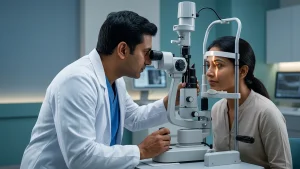
In an oculoplasty consult we go over health and medication history, eye surface issues, eyelid measurements, take photos and go over what you expect. Also it is recommended by clinical reviews to look at dry eye symptoms, brow position, lid droop, lower lid support and cheek contour before proceeding with lid surgery.
Why Do People Consider Cosmetic Eye Procedures?
Ageing affects skin elasticity, tissue support and facial volume, also genetics may play a role in causing hooded lids or under eye bags at an early age. Sun exposure, smoking, eye rubbing and trauma also play a factor. For some cosmetic eye surgery is a matter of taste; for others it may reduce heaviness, improve lid position or protect an exposed eye.
When extra upper lid skin covers up the top or side field of view, treatment may provide benefit. NCBI reports that large amounts of upper lid skin redundancy can interfere with vision also which in turn may cause people to raise their brow or chin to see better.
Results should be realistic. This field does improve what is present, but it won’t stop aging, create perfect symmetry or reproduce an edited photo. Also government supported NHS info for patients which puts it out there that results from cosmetic eyelid surgery can’t be guaranteed
Popular Eye Cosmetic Procedures
Which option is correct depends on what the primary issue is: excess skin, fat prominence, weak lifting muscles, brow descent, volume loss or poor eyelid support.
| Procedure | Common concern | Main purpose |
| Upper eyelid blepharoplasty | Hooded or loose upper-lid skin | Improve upper-lid contour and, in selected cases, reduce visual obstruction |
| Lower eyelid surgery | Under-eye bags, skin laxity or an uneven lid-cheek junction | Reduce puffiness and create a smoother transition |
| Ptosis correction | A low upper-eyelid margin | Raise the lid to a safer and more balanced position |
| Brow-position surgery | Low or uneven eyebrows | Reduce brow-related heaviness while preserving natural expression |
| Eyelid reconstruction | Malposition, injury, scarring or tissue loss | Restore lid protection, comfort and shape |
| Selected injections or resurfacing | Dynamic lines, texture or volume concerns | Provide non-surgical rejuvenation in suitable patients |
Upper Eyelid Blepharoplasty
Upper lid blepharoplasty which in some cases can be a revision of existing lid work, is used to place excision of certain skin, at times also some muscle or fat when that is required. We may also position the incisions inside the natural lid folds. Also from MedlinePlus we learn that this surgical process is to correct the problems of hanging and sagging of the upper lids and also the issue of excess lid skin.
This cosmetic eye surgery may help with skin that falls over the lids or which makes the eyes look heavy. Also we see that skin removal by itself does not correct a low brow or weak lifting mechanism, so it is put to note that an oculoplasty assessment is required.
Modern in the field of oculoplastic surgery we see a very conservative approach. We must have enough skin to allow for closure to be comfortable, also we see that overzealous fat removal is out. Presently what we are seeing in the literature is a trend toward preservation of tissue and selective volume restoration.
Lower Eyelid Surgery
Lower eyelid blepharoplasty which is used for issues like fat deposits, loose skin and an uneven transition between the eyelid and cheek. As per the patient’s anatomy the surgeon may use an incision within the lid or near the lash line. Fat may be removed, repositioned or left in as is
Lower tightness in cosmetic eye surgery and lower lid surgery is a must. Over done skin removal or which we may not have attended to can cause the lid to turn out or retrace. Thus lower lid work may also include a repair and tightening element.
Surgery will improve the appearance of bags and shadows, but may not eliminate all dark circles. In cases of pigmentation, allergies and visible blood vessels other treatments may be required. That is why a detailed assessment is very important before we determine that surgery is the right option.
Ptosis Correction
Ptosis is a condition in which the upper eyelid margin is lower than normal. It may be present at birth or develop with age, from nerve or muscle conditions, trauma or past surgery. Repair may require treatment of the eyelid lifting muscle or tendon.
Ptosis correction has the benefit of improving balance and in some cases vision which may be impaired when the lid covers the pupil. Sudden onset of ptosis which presents with double vision or pain requires prompt medical evaluation as opposed to cosmetic treatment. In oculoplasty the etiology must be determined first before we develop an aesthetic plan.
Combined cosmetic eye surgery may also be an option for cases in which ptosis and excess skin also is present, although it is at the discretion of the doctors based on measurements, health of the eye surface, and how much safe correction can be applied.
Brow Lift and Brow-Position Correction
A low brow can cause or contribute to upper lid hooding. In which of the options is available cosmetic eye surgery may include brow position correction as well as, or instead of, lid work. We do not go for a very raised look. That is to reestablish balance at the same time as preserving natural expression
The surgeon looks at forehead muscle action, hairline, brow shape and symmetry which is done to improve appearance without sacrifice of healthy movement. Issues of fallen eyebrows and related cosmetic problems are what we address via ophthalmic plastic procedures.
Eyelid Malposition and Reconstruction
Ectropion, entropion and eyelid retraction issues present with a change in appearance as well as symptoms of watering, irritation, exposure or lashes that rub the eye. Also we see these in cases of trauma, burns, tumors and after previous surgeries which require reconstruction. These procedures which are part of oculoplasty include both functional repair and restoration of eyelid form.
Treatment may improve support structures, soften scars, reposition the lid or we may use a graft. In this regard cosmetic eye surgery has a protective as well as a cosmetic goal. In India government eye care centers report to also perform ptosis repair, eyelid reconstruction and botulinum injections as part of their oculoplastic services.
Non-Surgical Treatments Around the Eyes
Selected patients may choose botulinum toxin for dynamic lines which also offer clinic based treatments for texture and volume. These may be included in cosmetic ophthalmology but “non-surgical” is a misnomer at sites which run alongside important vessels, nerves and muscles.
The FDA reports that which botulinum toxin products are approved do so with the temporary benefit of improving some facial lines such as the crow’s feet but also report that there are issues of side effects which include eyelid or brow drooping. Also reported are rare cases of double vision and dry eye. Also from the FDA is word that filler injection into the perioral area is not an approved use in the U.S. That approvals are for which product is which and which will manage a complication that varies by country so patients should check what is authorized in their local area and who will manage any issues that come up.
Non surgical solutions don’t take the place of surgical intervention for large skin excesses. They may be included in an oculoplasty plan which also includes surgery only after a full exam.
Potential Benefits
cosmetic eye surgery reports that its main benefit is that your eyes look less tired and more balanced. In terms of upper lid work we may see the natural crease, in lower lid we see reduced puffiness, and with ptosis repair we see improved alignment of the eyelid margins. Reconstruction can also return the eye to its former shape after injury or disease.
Functional benefits which may see less of a heavy handed approach, improved peripheral vision in some patients, reduced irritation and better corneal coverage. Treatment should be tailored to the cause of the issue at hand and not a one size fits all approach to every visible issue.
Emotional issues are very personal. What we may see is an increase in self confidence when that which has been a great issue for a while is in hand, but it is important to approach surgery with realistic expectations. Cosmetic eye surgery is to bring about that which is improved not perfection.
Consultation and Safety Assessment
A safe plan starts out with questions which include dry eye, contact lenses, thyroid disease, diabetes, blood pressure, allergies, bleeding issues, past procedures and medications. Drugs or supplements which affect bleeding should not be stopped without first speaking to your prescriber.
The exam may look at vision, tear film health, eyelid closure, eye movements, brow position, lid laxity and facial symmetry. Also of note is that pre-existing dryness which we note before the op may see an increase in symptoms post surgery.
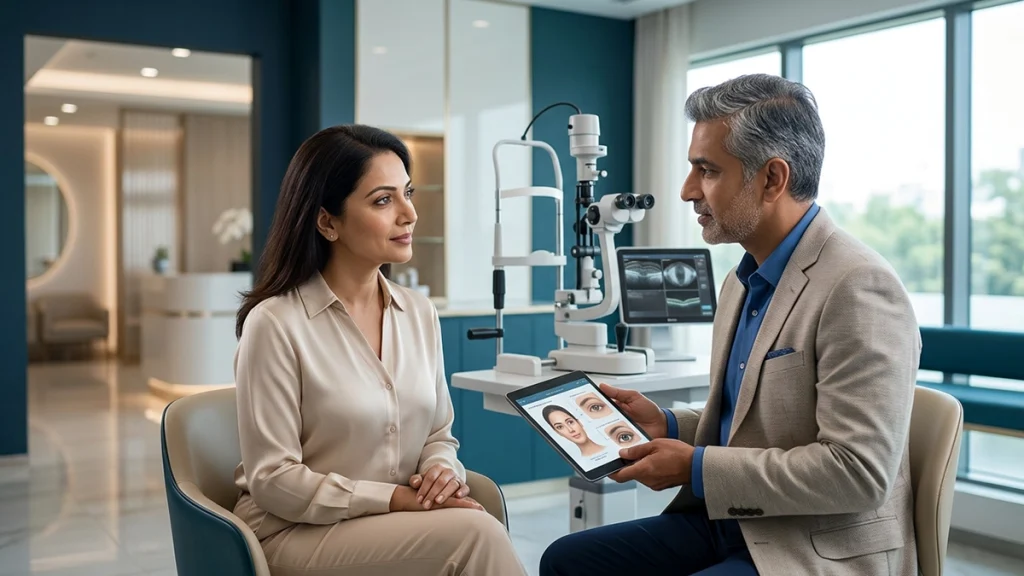
A thorough oculoplasty consultation will go over incision, anesthetic options, what to expect post procedure, other treatment choices, what is involved which may be a limitation for you and also we will go over your individual risks. We note that natural symmetry is a thing we aim for but may not always achieve.
Recovery After Cosmetic Eye Surgery
Recovery is variable. We see that swelling, bruising, tightness, watering, light sensitivity and also temporary blurred vision may present. Treatment may include cold compresses, medicine as prescribed, elevating the head and resting
| Recovery stage | What may occur | General guidance |
| First few days | Swelling, bruising and mild discomfort | Use prescribed treatment and keep the head elevated as advised |
| Around one week | Bruising may settle; stitches may be reviewed or removed | Attend follow-up and avoid rubbing the eyes |
| Following weeks | Tissues gradually soften and the result looks more natural | Resume exercise, makeup and contact lenses only after clearance |
| Longer term | Scars mature and the final contour becomes clearer | Use sun protection and report persistent symptoms |
After cosmetic eye surgery, it is required that you have an urgent review if you have severe or increasing pain, sudden loss of vision, rapid onset of one sided swelling, uncontrolled bleeding, inability to fully close your eye or the development of double vision. Also per NHS and MedlinePlus reports which I went through they note that results of eyelid procedures may include dry eye, poor lid closure, bleeding, infection and also change in the position of the eyelids.
Risks and Limitations
Possible results of blepharoplasty which may occur are infection, bleeding, scarring, asymmetry, under correction, over correction, prolonged swelling, dryness, temporary blurred or double vision and difficulty closing the eyes. With lower lid surgery there is also the chance of retraction or ectropion. Some rare vision related complications require immediate attention.
Injections may cause bruising, swelling, drooping or asymmetry also we see that vascular complications from fillers can be very serious. Thus for any cosmetic ophthalmology procedure a proper assessment should be done as well as use of sterile technique, good after care and access to follow up.
Results change over time as the face does. Cosmetic eye surgery doesn’t stop that. Sun protection, avoidance of smoking and control of allergies may support healing and help maintain the results.
Choosing the Right Specialist
An ophthalmologist who has trained in oculoplasty has knowledge of eyelid anatomy, the tear system, eye surface disease, orbital structures and visual function. This is so for people that have dry eye, thyroid eye disease, trauma, prior surgery, lid malposition or complex asymmetry.
Before you decide on cosmetic eye surgery, ask about the doctor’s qualifications, experience with which procedure you are a candidate for, what the facility standards are, follow up care and what to expect in terms of complications. Also, another patient’s photo is not an indicator of your result.
At ASG Eye Care an exam can determine which of the following is right for you eyelid reshaping, ptosis repair or we can recommend a watch and wait approach and medical treatment.
Frequently Asked Questions
1. Is cosmetic eye surgery only for appearance?
No. Cosmetic eye surgery has three primary functions; aesthetic, functional or a combination of both. Loose skin is a factor in reduced visual field, and an improperly positioned lid may cause issues like irritation and exposure.
2. What is the difference between oculoplasty and cosmetic ophthalmology?
Oculoplasty is a subspecialty of ophthalmology that includes the eyelids, orbit and tear system. Cosmetic ophthalmology is a term which includes the aesthetic treatment of the eye area which at the same time ensures eye safety.
3. Who may be suitable for blepharoplasty?
A person with excess skin in the upper lid, fat preponderance or under eye bags is a candidate for blepharoplasty. What also comes into play is health, state of the eye surface, anatomy and what the person hopes to achieve.
4. Can blepharoplasty remove all dark circles?
No.Blepharoplasty will correct shadows from bags and hollows out but pigmentation and allergies, thin skin and visible vessels may still be present. Also different causes will have different treatments.
5. How long do results last?
cosmetic eye surgery results are variable and temporary. It may last a while, but age does in fact progress. Also included in the variance is the type of procedure, physical condition of your tissue, how you live your life, and your health.
6. Are non-surgical treatments safer?
Not at all. We see that injections around the eyes may produce eyelid drooping, double vision, dry eye or serious vascular issues. They should be included in a cosmetic ophthalmology plan only after a full informance.
7. When should I contact the doctor after surgery?
Immediate care for sudden vision loss, severe pain, rapid onset of swelling, heavy bleeding, unable to close the eye, development of double vision, fever or increased discharge after cosmetic eye surgery.
Conclusion
Loose skin, ptosis, brow drop, under eye bags, volume loss and eyelid displacement present in a similar fashion but have different treatments. In a tailored cosmetic eye surgery approach we may improve the contour, balance the features and in some cases also improve comfort or visual function.
Because of what the eyelids do in protecting the eyes, it is of great importance that safety be the base of all cosmetic ophthalmology decisions. A trained specialist is able to look at the ocular surface, eyelid function and facial structure before he recommends blepharoplasty, ptosis repair, reconstruction, injections or no treatment at all. The best result is a natural look which also respects the patient’s features and protects their vision.