Good eye health is essential at every stage of life from growing children to working adults and seniors. With increasing screen time, unhealthy diets, and pollution, maintaining strong vision has become more important than ever. Fortunately, simple lifestyle changes, nutritious foods, and healthy habits can significantly improve and protect your eyesight.
In this guide, we’ll explore practical eye health tips for kids and adults, including diet, daily habits, and preventive care.
Why Eye Health Matters
Your eyes are one of the most sensitive organs in your body. Poor eye care can lead to issues like:
- Dry eyes
- Blurry vision
- Eye strain
- Night blindness
- Serious conditions like cataracts and glaucoma
A balanced diet and proper eye care can help reduce the risk of these conditions and maintain healthy vision for life.
1. Eat a Nutrient-Rich Diet for Strong Eye
Nutrition plays a crucial role in maintaining eye health. Certain vitamins and minerals protect your eyes from damage and improve vision.
Essential Nutrients for Eye Health:
- Vitamin A – Prevents night blindness and supports retina function
- Vitamin C & E – Protect eyes from oxidative stress
- Lutein & Zeaxanthin – Reduce damage from blue light
- Omega-3 Fatty Acids – Help prevent dry eyes
Foods rich in these nutrients include leafy greens, fruits, nuts, seeds, and fish.
2. Include Eye-Friendly Vegetables in Daily Die
Vegetables are one of the best natural ways to improve eyesight.
Best Vegetables for Eye Health:
- Carrots – High in beta-carotene (Vitamin A)
- Spinach & Kale – Rich in lutein and antioxidants
- Broccoli – Contains Vitamin C and fiber
- Sweet Potatoes – Improve night vision
Leafy greens like spinach are especially powerful, helping reduce the risk of age-related vision problems.
👉 Tip: Add at least 1–2 servings of green vegetables daily for optimal eye health.
3. Drink Healthy Juices for Better Vision
Fresh juices are a great way to boost nutrient intake, especially for kids who avoid vegetables.
Best Juices for Eye Health:
- Carrot juice
- Spinach juice
- Orange juice
- Beetroot juice
- Amla (Indian gooseberry) juice
These juices provide essential vitamins like A and C, which support eye function and improve vision naturally.
Note: Avoid excess sugar and prefer fresh homemade juices over packaged ones.
4. Limit Screen Time and Follow the 20-20-20 Rule
Digital screens are one of the biggest causes of eye strain today.
Follow the 20-20-20 Rule:
Every 20 minutes, look at something 20 feet away for 20 seconds.
This helps reduce:
- Eye fatigue
- Dryness
- Headaches
Children especially should have limited screen exposure to prevent early vision problems.
5. Stay Hydrated for Healthy Eyes
Dehydration can lead to dry and irritated eyes.
Tips:
- Drink at least 8–10 glasses of water daily
- Include hydrating foods like cucumber and watermelon
- Avoid excessive caffeine
Proper hydration helps maintain tear production and eye lubrication.
6. Encourage Outdoor Activities for Kids
Spending time outdoors is essential for children’s eye development.
Benefits:
- Reduces risk of myopia (nearsightedness)
- Improves focus and visual coordination
- Provides natural light exposure
Encourage at least 1–2 hours of outdoor play daily.
7. Practice Good Eye Hygiene
Simple hygiene habits can prevent infections and irritation.
Do’s:
- Wash hands before touching eyes
- Remove makeup before sleeping
- Clean contact lenses properly
Don’ts:
- Avoid rubbing eyes frequently
- Don’t share towels or eye cosmetics
8. Wear Sunglasses to Protect from UV Rays
UV rays can damage your eyes and increase the risk of cataracts.
Choose sunglasses that:
- Block 100% UV rays
- Are comfortable and well-fitted
This is important for both kids and adults, especially in sunny climates like India.
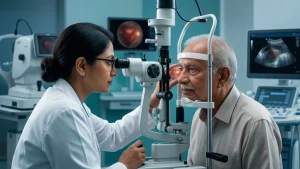
9. Get Regular Eye Check-Ups
Routine eye exams help detect problems early.
Recommended:
- Kids: Every 1–2 years
- Adults: Every 1–2 years
- Seniors: Annually
Early diagnosis can prevent serious vision issues.
10. Maintain a Healthy Lifestyle
Your overall health directly affects your eyes.
Healthy Habits:
- Exercise regularly
- Get enough sleep
- Avoid smoking
- Manage conditions like diabetes
A healthy lifestyle supports proper blood circulation to the eyes and reduces disease risk.
11. Add Eye-Friendly Foods to Daily Meals
A balanced diet is key to long-term eye health.
Include:
- Fish (rich in omega-3)
- Nuts and seeds (Vitamin E)
- Citrus fruits (Vitamin C)
- Eggs (lutein & zinc)
Eating a colorful variety of foods ensures your eyes get all essential nutrients.
12. Special Eye Care Tips for Kids
Children need extra attention when it comes to eye care.
Tips for Kids:
- Ensure proper lighting while studying
- Maintain correct reading distance
- Limit mobile and TV usage
- Provide balanced nutrition
Parents should watch for signs like squinting, headaches, or difficulty reading.
13. Eye Care Tips for Adults
Adults face increased strain due to work and lifestyle.
Tips:
- Take regular breaks from screens
- Use anti-glare glasses if needed
- Adjust screen brightness
- Maintain proper posture
These small steps can prevent long-term damage.
Also Read :
10 Best Juices for Eye Health, Best Diet Plan for Healthy Eyes and Vision, Best Vegetables for Eye Health: Improve Eyesight Naturally
Conclusion
Maintaining healthy vision doesn’t require complicated treatments—simple daily habits can make a big difference. A nutrient-rich diet, regular eye check-ups, proper screen usage, and hydration are key to protecting your eyesight.
Whether for kids or adults, following these eye health tips can help prevent vision problems and ensure clear, healthy eyesight for years to come.