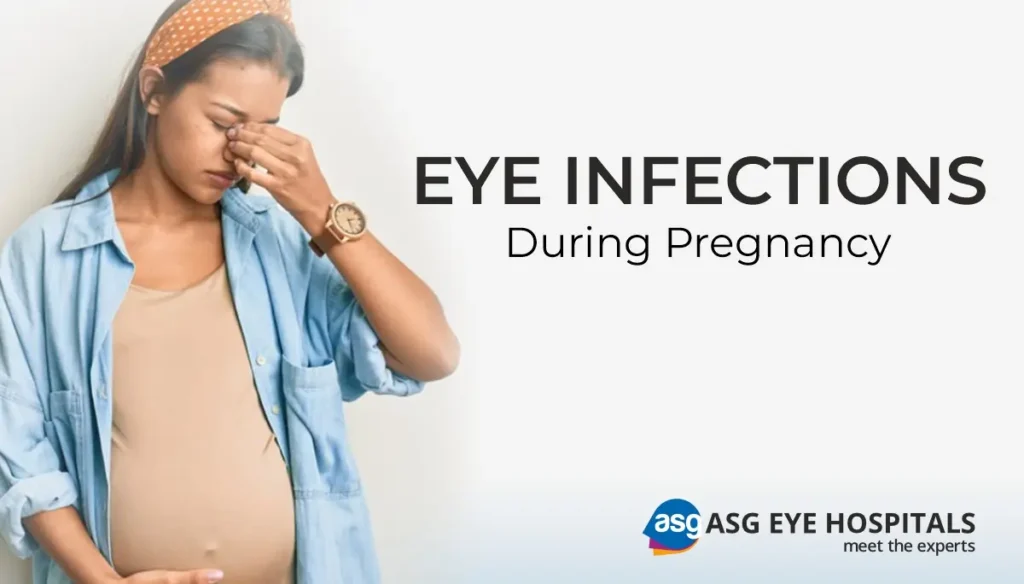
Pregnancy is a miraculous journey marked by various hormonal and physical changes. However, other health risks should be taken seriously as well. One often overlooked concern is the increased susceptibility to infections, including those that can affect the eyes. Let’s understand the possible causes of eye infection during pregnancy, as well as precautions to protect the health of the mother and fetus (baby in the womb).
How Does Pregnancy Affect Your Vision?
A woman’s body undergoes significant changes during pregnancy, including changes to her vision. Changes in blood volume, fluid retention, and hormonal swings can all affect a woman’s vision. Changes in vision, such as blurry vision, dry eyes, and increased sensitivity to light, can occur in pregnant women. Usually, this is not a reason to be concerned.
On the other hand, individuals may experience pregnancy-related ocular disorders, which can result in more serious eye issues. For this reason, routine eye exams are required for expecting mothers. Most changes in vision that occur during pregnancy are temporary and resolve after delivery if provided the right care and attention.
Possible Causes of an Eye Infection During Pregnancy:
- Hormonal changes: Pregnancy brings about significant hormonal fluctuations, which can affect the immune system. The immune system’s response against infections, including eye infections, may be weakened by these hormonal fluctuations, and the level of fluctuation hormones can create an environment that is more beneficial to the growth of bacteria or viruses, which can result in the development of eye infections.
- Weakened Immune System: The immune system undergoes several changes during pregnancy to deal with the developing baby. Although these modifications are essential for a healthy pregnancy, the body may become more prone to infections as a result of them. The immune system starts focusing on building an environment that is favorable to fetal development instead of removing potential risks. As a result, pregnant women are particularly susceptible to eye-related problems because their bodies may find it more difficult to fight off infections.
- Contact lenses: a woman who wears contact lenses during her pregnancy may be more susceptible to an eye infection. Hormonal fluctuations can modify the cornea’s thickness and curvature, which can change how contact lenses fit on an eye. This may increase the growth of bacteria and increase the risk of infections, especially when combined with possible changes in tear production.
- Dry Eyes: Pregnancy can contribute to changes in tear production and composition, leading to dry eyes. Reduced tear production can result in inadequate lubrication of the eyes, making them more prone to irritation and infections. Dry eyes during pregnancy may also be exacerbated by hormonal fluctuations and changes in fluid balance within the body.
- Scratches and injuries: Rubbing your eyes excessively might cause a corneal abrasion or scratch. The cornea is the outermost layer of protection for the eyes, and it can hurt if it is scratched. Tears, redness, and inflammation can also result from trauma and injuries. This effectively raises the possibility of microbes or dirt getting stuck and hurting the eye.
- Viral infection: Your delicate eyes can also experience signs of inflammation that are brought on by viruses. Viral eye infection also known as viral conjunctivitis is caused by an adenovirus. The symptoms appear as soon as a woman gets pink eye or a viral eye infection during pregnancy. Considering the high risk of viral eye infections, it’s important to maintain good hygiene and get immediate medical care.
- Allergies: Allergy to particular seasons and other factors such as dust, mold, pet dandruff, or hair can cause inflammation in the eyes, often known as allergic pink eye (allergic conjunctivitis). Usually, itching, redness, and watering are signs of allergic pink eye. There is no leaking or crusting, and these symptoms are less than those of infected pink eye (infectious conjunctivitis).
- Bacterial eye infection: Individuals who wear contact lenses regularly are more susceptible to pink eye, which is also caused by germs. Therefore, it’s essential to maintain good hand hygiene when wearing contacts. In addition to leaking and crusting, bacterial eye infections cause more discomfort than allergic eye conditions.
- Stye: The common occurrence is stye during pregnancy. However, it doesn’t just affect pregnant women; it may happen to anyone, whatever their age. A stye is a pimple that appears red on the corner or border of the eyelid. Stye develops when an infection occurs in an oil gland on the corner of the eyelid. Staphylococcus aureus is the type of bacteria that usually causes infections.
- Environmental factors: We’ve all had this experience: imagine sand or other particulates getting in your eyes. Even though our eyes are designed to keep out foreign particles, occasionally something might become stuck and cause an allergic reaction or eye injury that can eventually result in pink eye or conjunctivitis.
Precautions and Tips:
- Regular Eye Exams: Schedule regular eye exams during pregnancy to monitor any vision changes and detect potential issues early on.
- Practice good hygiene: wash hands frequently and avoid touching the eyes to minimize the risk of introducing bacteria.
- Stay Hydrated: Proper hydration helps maintain adequate tear production, reducing the risk of dry eyes and related infections.
- Consider Eyeglasses: If you wear contact lenses, consider switching to eyeglasses during pregnancy to reduce the risk of irritation and infection.
- Use Preservative-Free Eye Drops: If experiencing dry eyes, use preservative-free artificial tears to provide relief without introducing potentially irritating substances.
- Maintain a Healthy Lifestyle: Eat a balanced diet, engage in regular exercise, and get enough sleep to support overall health, including immune function.
Conclusion:
While pregnancy is a time of joy and anticipation, it’s important to be mindful of potential health challenges, including the increased susceptibility to eye infections. By understanding the causes and taking appropriate precautions, pregnant individuals can minimize the risk of eye-related issues, ensuring a healthier and more comfortable pregnancy journey. Always consult with healthcare professionals for personalized advice and guidance tailored to individual needs.