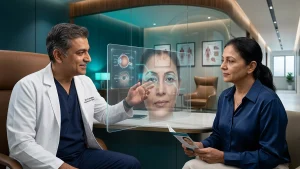
Drooping eyelids, puffy under-eye bags, and excess eyelid skin are often associated with aging, but they can also affect your vision, eye comfort, and confidence. Eyelid surgery, medically known as blepharoplasty, is a specialized procedure that improves both the function and appearance of the eyelids.
While many people think eyelid surgery is only a cosmetic treatment, it is frequently performed to restore clear vision in patients whose upper eyelids interfere with their visual field. Modern surgical techniques provide natural-looking results with minimal scarring and faster recovery.
What Is Eyelid Surgery (Blepharoplasty)?
Blepharoplasty is a surgical procedure that removes or repositions excess skin, fat, and sometimes muscle from the upper or lower eyelids.
Depending on your condition, the surgery may involve:
- Upper eyelid surgery for drooping eyelids
- Lower eyelid surgery for eye bags and puffiness
- Combined upper and lower eyelid correction
- Functional eyelid surgery to improve vision
- Cosmetic eyelid surgery for facial rejuvenation
The primary goal is to restore a healthier eyelid position while maintaining a natural appearance.
Medical Reasons You May Need Eyelid Surgery
Blepharoplasty is often medically necessary when excess eyelid tissue affects daily life.
Common medical indications include:
- Drooping upper eyelids (Dermatochalasis)
- Eyelids blocking peripheral vision
- Difficulty keeping eyes open
- Heavy eyelids causing eye strain
- Skin rubbing against eyelashes
- Age-related weakening of eyelid muscles
- Congenital eyelid abnormalities
- Ptosis (drooping eyelid due to muscle weakness)
When vision is affected, eyelid surgery becomes a functional procedure rather than purely cosmetic.
Cosmetic Benefits of Blepharoplasty
Many patients choose eyelid surgery to refresh their facial appearance while preserving natural expressions.
Cosmetic benefits include:
- Brighter, more youthful-looking eyes
- Reduction of under-eye bags
- Removal of excess eyelid skin
- Improved eyelid contour
- Reduction of tired appearance
- Better facial symmetry
- Long-lasting rejuvenation
Unlike temporary cosmetic treatments, blepharoplasty offers structural improvement that can last for many years.
Who Is an Ideal Candidate?
You may be a suitable candidate if you:
- Have droopy or sagging eyelids
- Notice puffy under-eye bags
- Experience vision obstruction from excess eyelid skin
- Have healthy eyes with no active infections
- Are in good overall health
- Have realistic expectations about results
- Want long-term functional or cosmetic improvement
An eye specialist evaluates your eye health, eyelid structure, tear production, and vision before recommending surgery.
What Causes Droopy Eyelids?
Several factors contribute to eyelid changes, including:
- Natural aging
- Genetics
- Loss of skin elasticity
- Weakening eyelid muscles
- Previous eye surgery
- Facial nerve disorders
- Trauma
- Certain neurological conditions
Identifying the underlying cause helps determine the most appropriate treatment.
Types of Eyelid Surgery
1. Upper Eyelid Blepharoplasty
This procedure removes excess skin and fat from the upper eyelids to improve both vision and appearance.
It is commonly recommended for patients with heavy eyelids that interfere with everyday activities.
2. Lower Eyelid Blepharoplasty
Lower eyelid surgery addresses:
- Under-eye bags
- Fat deposits
- Loose skin
- Puffiness
- Fine wrinkles around the lower eyelid
The goal is a smoother and more refreshed lower eyelid contour.
3. Functional Blepharoplasty
Performed primarily to restore vision by correcting eyelids that block the visual field.
4. Cosmetic Blepharoplasty
Focused on improving facial aesthetics without compromising eyelid function.
How Is Blepharoplasty Performed?
Although every patient is different, the procedure generally includes:
- Detailed eye examination
- Eyelid measurements and photography
- Local anesthesia with sedation or general anesthesia
- Precise incision within natural eyelid folds
- Removal or repositioning of excess skin and fat
- Fine closure using cosmetic sutures
Modern surgical techniques minimize visible scarring and preserve the natural shape of the eyelids.
Recovery After Eyelid Surgery
Recovery is generally smooth when post-operative instructions are followed.
First Few Days
- Mild swelling
- Bruising
- Watery eyes
- Temporary blurred vision
- Mild discomfort
One Week
- Most swelling begins to reduce.
- Many patients return to office work.
Two to Three Weeks
- Bruising largely disappears.
- Eyes begin looking more natural.
Long-Term
- Final cosmetic results continue improving over several months.
Tips for Faster Recovery
Your surgeon may recommend:
- Applying cold compresses
- Sleeping with your head elevated
- Using prescribed eye drops
- Avoiding strenuous exercise temporarily
- Wearing sunglasses outdoors
- Avoiding eye rubbing
- Attending scheduled follow-up appointments
Following these instructions supports optimal healing.
Possible Risks
Blepharoplasty is considered a safe procedure when performed by experienced eye surgeons.
Possible temporary risks include:
- Swelling
- Bruising
- Dry eyes
- Mild irritation
- Temporary blurred vision
- Minor bleeding
- Infection (rare)
- Slight eyelid asymmetry (uncommon)
These risks are significantly reduced with proper surgical planning and post-operative care.
How Long Do Results Last?
Most patients enjoy long-lasting improvements.
Upper eyelid surgery often provides benefits for many years, while lower eyelid surgery typically offers permanent improvement to fat deposits, although natural aging continues over time.
Maintaining a healthy lifestyle and protecting your skin from excessive sun exposure can help preserve results.
Frequently Asked Questions
Is eyelid surgery only cosmetic?
No. Many patients undergo blepharoplasty because drooping eyelids interfere with vision, making it a medically necessary procedure in certain cases.
Is the surgery painful?
The procedure is performed under anesthesia, so patients generally experience little to no pain during surgery. Mild discomfort afterward is usually manageable.
How long does surgery take?
Most blepharoplasty procedures take approximately 1 to 3 hours, depending on whether one or both eyelids are treated.
Will there be visible scars?
Incisions are usually placed within the natural eyelid folds, making scars minimally visible after healing.
When can I return to work?
Many patients resume desk work within 7 to 10 days, depending on recovery and their surgeon’s advice.
Why Choose ASG Eye Hospital for Eyelid Surgery?
At ASG Eye Hospital, eyelid surgery is performed using modern diagnostic technology and advanced surgical techniques by experienced eye specialists. Treatment plans are personalized to address both functional vision problems and cosmetic concerns while prioritizing patient safety, comfort, and natural-looking outcomes. As one of India’s leading eye care networks with extensive clinical expertise, ASG offers comprehensive evaluation, precise surgical care, and structured post-operative follow-up to help patients achieve the best possible results.
Conclusion
Eyelid surgery is much more than a cosmetic enhancement. For many individuals, it restores clearer vision, reduces eye strain, and improves overall eye function while simultaneously creating a refreshed and more youthful appearance. If you experience drooping eyelids, persistent under-eye bags, or vision obstruction caused by excess eyelid skin, consulting an experienced eye specialist can help determine whether blepharoplasty is the right solution for your needs.