Many people think of glaucoma as a disease which only causes damage at high eye pressure. This is what makes low tension glaucoma a surprise for patients. In this case the eye pressure may be in the normal range which reports otherwise and still the optic nerve damage proceeds. This damage may progressive to cause vision loss, especially inside vision before the patient notes any issue.
Low tension glaucoma also goes by the name of normal tension glaucoma. May sound like a lesser issue the word pressure is reported to be normal but the disease does which bring its fair share of attention. At ASG Eye Care we see many patients that report they have normal pressure which doesn’t in fact equal a healthy eye. The optic nerve, blood flow, family health history, age, corneal thickness and other health issues play a role in the risk of future vision damage.
What Is Low-Tension Glaucoma?
Low tension glaucoma is a variety of open angle glaucoma which does cause atrophy to the optic nerve in what may be considered low pressure situations. In many people the pressure measures in the normal range, nevertheless the optic nerve may have an inborn sensitivity to that which is recorded as normal tension glaucoma This is why we must not ignore cases of low tension glaucoma.
In basic terms the optic nerve acts as a cable which transmits visual info from the eye to the brain. When open angle glaucoma affects this nerve the damage is usually gradual and pain free. The person may not see early glaucoma symptoms, out what may be going on in the nerve is completely silent. By the time visual fields change become apparent some nerve damage may already be permanent.
The key issue is that glaucoma is treatable but once there is damage to the optic nerve it is permanent. We also see that an early glaucoma diagnosis which is timely may help doctors in slowing the progress of the disease and in protecting what vision is left.
Why Can Glaucoma Happen When Eye Pressure Is Normal?
Eye pressure is a very large risk element in glaucoma but is not the only one. In this type of glaucoma the optic nerve does also play a larger role then it usually does. Also some patients may have decreased blood flow to the optic nerve, thin corneas, a family history of glaucoma, migraines, sleep apnea, low blood pressure at night, or other vascular issues which in turn make the nerve more susceptible.
This is what many times results in the confusion of normal tension glaucoma. We find that a patient may have what appear to be normal intraocular pressure measurements at multiple tests but at the same time experience damage to the optic nerve which is shown by an OCT scan or visual field test we are reporting. In which case the glaucoma diagnosis is based on the full scope of the eye exam which includes all that we see and report, not just the pressure numbers.
Many of our patients put forth the question of which is more serious, primary open angle low tension glaucoma or secondary glaucoma which is a result of raised intraocular pressure. To that I say no. What we see is a variable response to the disease from person to person but what is the same is that if left untreated the condition will progress to cause damage to the vision.
| Factor | Why It Matters in Low-Tension Glaucoma |
| Normal eye pressure | Pressure may still be too high for a sensitive optic nerve. |
| Optic nerve appearance | Changes such as cupping may suggest glaucoma damage. |
| Visual field test | It can detect side-vision defects before the patient notices them. |
| OCT scan | It measures thinning of the retinal nerve fiber layer. |
| Blood flow factors | Low blood pressure, migraine, or vascular disease may affect the optic nerve. |
| Family history | A family history can increase the risk of this condition. |
Common Glaucoma Symptoms Patients Should Not Ignore
One of the reasons this disease is to blame is that which present at early stages of glaucoma symptoms are few to none existent. A person may see well out of it, use a mobile phone with no issue, and drive at day time without trouble. Also because central vision may stay clear for large time frames the disease may progress without notice.
At the point of diagnosis, glaucoma symptoms may present as having trouble with side vision, hitting things which are not there, missing steps, reduced night vision which in turn causes issues with low light driving. Also some patients report that their visual field has narrowed down which at that stage may be an indication of great amount of vision loss which has already taken place.
It is true that which forms of glaucoma symptoms do not present acutely; there may be no signs of redness, pain, tearing, or sudden vision blur. In normal tension glaucoma, which is a type that does not present with acute symptoms people tend to delay care. At age 40 and over, and in people which report a family history of glaucoma, at risk are also those that have diabetes, blood pressure issues, migraines, or sleep apnea.
How Low-Tension Glaucoma Is Diagnosed
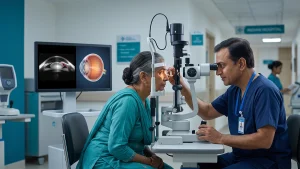
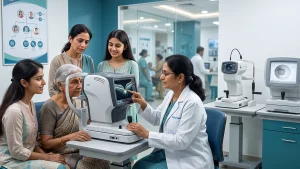
A proper glaucoma diagnosis is not from a single eye pressure reading. At ASG Eye Care we do a series of tests which the doctor uses to study the health of the optic nerve and to determine the risk of future vision loss. In low tension glaucoma,this is very important as the pressure may not be what you would expect.
During evaluation we may perform measurements of eye pressure, examine the optic nerve, do corneal thickness analysis, visual field testing, OCT imaging, and study of the drainage angle of the eye. These tests which we do are in an effort to determine what we are dealing with exactly whether it is this diagnosis which we suspect, or some other which may present in a similar way.
A in depth glaucoma diagnosis includes review of the patient’s past health issues. Low blood pressure, migraines, poor circulation, anemia, sleep apnea, steroid use, and family history may play a role in how the disease presents. Also the doc may compare old reports to see if the optic nerve or visual field is changing over time.
| Test Used in Glaucoma Diagnosis | What It Helps Detect |
| Tonometry | Measures eye pressure, even if it is within the normal range. |
| Dilated optic nerve exam | Checks for cupping, pallor, or structural nerve damage. |
| OCT scan | Detects thinning of the nerve fiber layer before major symptoms appear. |
| Visual field test | Identifies side-vision defects linked with visual field damage. |
| Pachymetry | Measures corneal thickness, which can affect pressure interpretation. |
| Gonioscopy | Check whether the eye angle is open or narrow. |
Why Vision Loss Can Still Progress
In case of open angle low tension glaucoma, vision loss is a result of slow degeneration of the optic nerve fibers. Once we see loss of nerves at this point they do not regrow. Treatment is aimed at stopping the progress of the disease rather than at restoring vision which has already been lost.
Some people with normal tension glaucoma progress slowly over many years, in other cases we see a need for more frequent monitoring and intense treatment. Which type of care is required depends on the health of the optic nerve, visual field results, blood flow, age and other risk factors. A patient that comes in with large field loss at diagnosis may require a more aggressive approach as compared to the person diagnosed at an early stage.
This is not a watch and wait condition which does not require follow up. If tests show progression of the disease the treatment should be adjusted even if the eye pressure is within normal range.
Treatment Options for Low-Tension Glaucoma
The primary aim of treatment is to reduce intraocular pressure that is affecting the optic nerve. Also even if eye pressure is in the normal range we find that in many cases it helps to lower it even more to slow the disease. This may at first seem strange but for a very sensitive optic nerve a lower pressure is actually a better option.
The main goal of treatment is to reduce intraocular pressure which is affecting the optic nerve. Also in many cases we see that even when eye pressure is in the normal range it helps to lower it even more to slow the disease. This may at first seem odd but for a very sensitive optic nerve a lower pressure is in fact a better option.
Patients must continue with their eye drops even if they do not notice any symptoms. In this case the disease treatment is a preventive measure. We are trying to protect the optic nerve before further damage occurs.
Living With Normal Eye Pressure but Glaucoma Risk
Living with low tension glaucoma can be very disciplined but we have to put to rest the idea that it is a death sentence. The key step is in the routine follow up. Your doctor may repeat the OCT scans and visual fields to assess if the disease has changed.
Patients who have this condition should also bring up with their doctor general health issues. Very low night time blood pressure, untreated sleep apnea, poor circulation, smoking, and uncontrolled systemic disease may play a role in optic nerve health. Addressing these issues may support the eye care plan.
If one is already experiencing vision loss, early intervention and management of that with support, better lighting, contrast improvement and safe home modifications may help. Also very early treatment and monitoring is the best way to prevent what is avoidable worsening of sight.
When Should You Visit an Eye Specialist?
You should consult an ophthalmologist if you have a genetic background of glaucoma, are over 40, have diabetes or high blood pressure, notice decreased side vision, or have determined your optic nerve is damaged. Don’t put off having an assessment, also in the case of normal glaucoma symptoms, because low tension glaucoma which may present with little to no symptoms at first.
A full glaucoma diagnosis is also to do if your eye pressure has always been within the normal range but your vision field report or OCT scan reports of changes which we see in these cases that type of glaucoma should be taken very seriously.
Low-Tension Glaucoma Care at ASG Eye Care
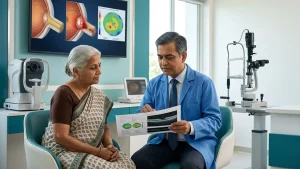
At ASG Eye Hospital we take a full approach in the evaluation of our patients as opposed to a single pressure reading. In the case of low tension glaucoma, we may include in the care plan a detailed optic nerve assessment, OCT, visual field testing, eye pressure monitoring, and review of systemic risk factors. This in turn creates a more accurate diagnosis and a personal treatment plan.
The focus is on early detection of disease, slow its progress, and to reduce the risk of sight loss. As this condition may present without symptoms ASG Eye Care advocates for routine eye exams of high risk patients which may include those with normal eye pressure and no obvious warning signs.
Key Takeaway
Low tension glaucoma is a proof that normal eye pressure does not in fact indicate the health of the optic nerve. Also because in some cases of low tension glaucoma there is no pain and at the time no other tell-tale signs of glaucoma, it is important to have regular eye exams. Timely glaucoma diagnosis is key in protecting what is lost, in slowing the disease and in reducing the risk of permanent vision loss.
Frequently Asked Questions
1. What is low-tension glaucoma?
Low tension glaucoma is a type of glaucoma that has optic nerve damage in which the eye pressure is within the normal range. Also known as normal tension glaucoma it may cause vision loss if left untreated.
2. Can glaucoma happen with normal eye pressure?
Yes. In some cases of Normal tension glaucoma the optic nerve is affected by pressure considered to be within normal range in other people, hence a full glaucoma diagnosis evaluation instead is a better option as compared to a sole pressure analysis.
3. What are the early glaucoma symptoms?
Early on there may be no glaucoma symptoms. Some people do report later on about reduced side vision, difficulty with night time driving, or missing things out of the corner of their eye. As symptoms may present very subtly which is why regular screening is important.
4. How is low tension glaucoma diagnosed?
A glaucoma diagnosis may include eye pressure testing, optical nerve exam, OCT scan, visual field test, corneal thickness measurement, and drainage angle evaluation. These tests also help confirm low pressure low tension glaucoma and to see the risk of progression.
5. Can low-tension glaucoma cause permanent vision loss?
Yes. If diagnosis and treatment of low tension glaucoma is delayed it may result in permanent vision loss. While we can with treatment put the brakes on the progression of the disease, we are not able to bring back the optic nerve fibers which are lost.
6. Is normal tension glaucoma curable?
Normal tension glaucoma at present is not a disease that we have a cure for, but we do have methods of management. With regular follow up, pressure reducing treatment and watch out for risk factors many patients may see their chance of further sight loss reduced.
7. Do glaucoma symptoms always appear before damage happens?
No. Glaucoma symptoms often present late in the disease’s progress. That is why people at risk of glaucoma should not wait for symptoms to appear and should instead have a regular eye exam.
8. Why is glaucoma diagnosis important if eye pressure is normal?
A glaucoma diagnosis is that eye pressure alone isn’t a reliable indicator. In low tension glaucoma, which is also known as normal tension glaucoma, the optic nerve may still be damaged in the presence of normal pressure. Thus for this type of glaucoma we use imaging and field testing.
9. How often should patients with low-tension glaucoma follow up?
Patients with low tension glaucoma need to be followed up every three to four months, depending on the severity of the disease and the test results. The schedule is determined by the ophthalmologist after assessing the optic nerve, visual field, and risk of further damage.
10. Can treatment stop low-tension glaucoma from getting worse?
Treatment may slow down progress of low tension glaucoma and to a great extent preserve existing vision. The goal is to put back the risk of further vision loss, to keep the optic nerve at its present state, and to change treatment if reports indicate progression.