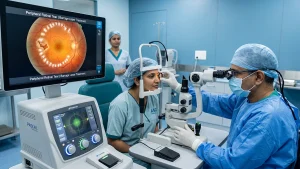
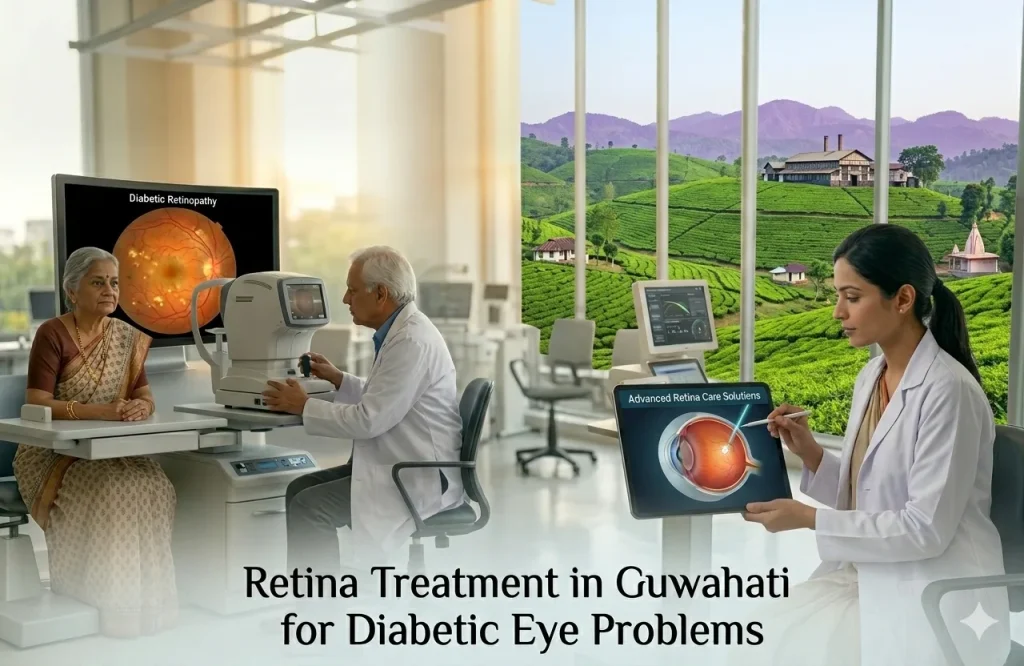
Diabetes is the most common reason a retina specialist Guwahati sees preventable vision loss. Not because diabetic eye disease is untreatable. Because patients arrive after the window for simple intervention has closed. The retina at the back of the eye is exquisitely sensitive to elevated blood sugar. It begins changing years before any symptom appears. In Guwahati, similar to other parts of Assam, diabetic patients are also coming late to get eye care.
This is the pattern that experienced retinal specialists at ASG Eye Hospital encounter regularly. It is also the pattern that early intervention can consistently interrupt.
Why Is Retina Screening Important for Diabetic Patients?
Diabetes can damage the retina without causing early symptoms. Regular retina screening helps detect diabetic retinopathy before vision loss occurs. Advanced retina treatment in Guwahati, including OCT scans, retinal laser therapy, anti-VEGF injections, and vitreoretinal surgery, can help preserve eyesight and prevent blindness.
What Diabetes Does to the Retina Over Time
A complex system of very small blood vessels is present in our eyes. These small vessels are essential for the retina. Constant high blood glucose makes these walls of the vessels weak. They begin to swell. They leak fluid and blood into the surrounding retinal tissue. In later stages, the eye grows abnormal new vessels in response to poor circulation. These are delicate vessels, which bleed easily. If they enter the vitreous body, there is a sudden decrease in vision.
This process of early changes in the vessel to serious visual defects is a well-established one. The rate of progression varies depending on blood sugar levels, blood pressure, the length of time the disease has been present, and genetics. Unfortunately, the bad news is that none of these changes causes obvious visual symptoms or pain in the early stages.
Diabetic Retinopathy Stages & Treatment Options
| Stage | Common Signs | Treatment |
|---|---|---|
| Early Retinopathy | No symptoms | Regular monitoring |
| Moderate Retinopathy | Mild vision changes | Blood sugar control |
| Macular Edema | Blurred central vision | Anti-VEGF injections |
| Proliferative Retinopathy | Floaters, vision loss | Laser treatment |
| Advanced Disease | Retinal detachment | Retina surgery |
Why Guwahati Patients Are at Particular Risk
The prevalence of diabetes has been on an upward trend in Assam during the last 10 years. This is due to changes in dietary habits, sedentary occupational practices, and genetic predisposition. Many diabetic patients in Guwahati get systemic treatment from doctors/endocrinologists without regular diabetic eye health check-ups.
The gap between knowing one has diabetes and knowing to visit a retina specialist Guwahati annually is where vision loss is built. Patients with diabetes of five, eight, and ten years have no retinal examination and are considered to be in the highest risk group that ASG Eye Hospital treats. When they come to an eye clinic, it is usually in a late stage of retinopathy.
What a Comprehensive Diabetic Eye Evaluation Includes
A complete diabetic eye evaluation is not simply a pressure check or a spectacle prescription update. It requires specific investigations that only a properly equipped diabetic eye care Guwahati facility can provide.
A thorough diabetic retinal evaluation at ASG Eye Hospital includes:
- Complete retinal surface visualised by dilated fundus exam.
- Macular thickness measurement and detection of oedema using OCT.
- Use of FDFA to map blood vessel leakages.
- Intraocular pressure measurement to screen for glaucoma risk.
- Colour fundus photography to grade and monitor progression.
- Visual acuity and refraction to check the functional vision.
The combination gives the retina specialist at Guwahati the whole story to complete a comprehensive assessment of severity and to make the right treatment recommendations.
Treatment Options Available at ASG Eye Hospital Guwahati
Treatment for diabetic retinopathy is dependent on each patient’s stage of the disease. In early disease, optimization of the systemic system might be enough and monitoring is necessary. More advanced presentations involve active intervention.
Anti-VEGF injection goes into the eye’s gel-like fluid (vitreous) to help shrink the abnormal blood vessels and fluid build-up in the retina. These are surgical procedures which are done under local anaesthetic and are carried out in the outpatient department. Major patients can immediately return to their normal activity the next day. The treatment schedule varies by individual response. Some patients require monthly injections initially. Others achieve stability with less frequent dosing.
Proliferative retinopathy is treated with laser photocoagulation, which seals leaking vessels and helps to slow the tendency to form abnormal vessels. This remains a valuable tool for controlling disease spread across the peripheral retina.
For patients presenting with vitreous haemorrhage or tractional retinal detachment, vitreoretinal surgery is performed by the eye surgeon team at ASG Eye Hospital. These are involved surgeries which need subspecialty surgical training and high tech equipment.
Why Choosing the Right Facility Matters
All eye hospitals in Guwahati do not provide all the diabetic retina services. A retina specialist working in a network level facility such as ASG Eye Hospital has access to the diagnostics, the necessary surgical infrastructure and experience required to manage ADEA.
ASG Eye Hospital implements the protocols developed in a network of eye hospitals that are each specialised. Patients are not denied appropriate diagnostic testing and evidence-based treatment because of limited facilities in their local area.
At present, diabetic eye disease is a non-progressive condition, means it does not get worsen over time. However, it is amenable to early assessment and prompt intervention. All patients of diabetes in Guwahati who have not undergone retinal assessment since the diagnosis of their diabetes should get this done as early as possible.
FAQs
1. What is diabetic retinopathy?
Diabetic retinopathy is a diabetes-related eye disease that damages retinal blood vessels and can lead to vision loss if untreated.
2. Can diabetic retinopathy cause blindness?
Yes. Advanced diabetic retinopathy can cause severe vision loss or blindness without timely treatment.
3. How often should diabetic patients get retina screening?
Most diabetic patients should undergo a comprehensive retinal examination at least once every year.
4. What are the early symptoms of diabetic eye disease?
Early stages often have no symptoms. Later symptoms include blurred vision, floaters, dark spots, and vision loss.
5. What is an OCT scan?
Optical Coherence Tomography (OCT) is an advanced imaging test used to detect retinal swelling and diabetic macular edema.
6. Are eye injections safe for diabetic retinopathy?
Yes. Anti-VEGF injections are widely used and effective in controlling retinal swelling and abnormal blood vessel growth.
7. When is laser treatment needed for diabetic retinopathy?
Laser treatment is recommended when abnormal retinal blood vessels develop or when retinopathy progresses.
8. Which hospital provides advanced retina treatment in Guwahati?
ASG Eye Hospital offers comprehensive diabetic retina care, OCT imaging, retinal laser treatment, injections, and vitreoretinal surgery in Guwahati.