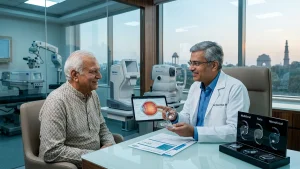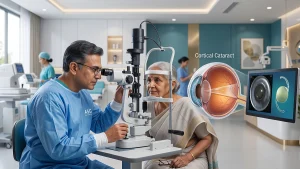
Blurred vision that over time gets worse, night driving trouble, headlight glare, and colors which appear dim are often dismissed as a normal part of aging. But in fact these may be symptoms of the development of cataracts which is one of the world’s leading causes of vision impairment. Also we see a great many patients ask what causes cataracts and if they may be prevented. A cataract forms when the natural lens inside the eye goes cloudy. Usually the lens is clear and it helps focus light on the retina. As the lens clouds over vision becomes blurred or distorted. By understanding what causes cataracts people may identify warning signs early and seek treatment which will in turn stop vision loss which affects daily life.
Understanding Cataracts and How They Develop
To see what causes cataracts it is best to know the eye’s natural lens’ function. The lens which is for the most part made of water and proteins which are arranged in a precise way to maintain transparency. Over time those proteins may begin to break down and clump together. When this is happening cloudy areas form within the lens which in turn affect vision. Many people wonder what is the main cause of cataract development. While many factors play a role in cataracts, aging is the most common cause. As we get older natural structure changes in the lens which in turn make clouding more likely.
What Causes Cataracts?
When it comes to what causes cataracts it is important to note that there are many which may bring them about. Age is the primary factor in the great majority of cases, but is not the only one. The most common answer to what is the key cause of cataract development is the natural aging process. As the proteins in the lens break down over time they lose their transparency. This process usually begins at age 40, though in many people it isn’t until much later that they notice vision changes.
Genetic components also play a role in which factors cause cataracts. We see that some people have a family history of the condition which in turn may cause them to develop it at a younger age than others. Also it is not uncommon for children to be born with cataracts which is a result of inherited conditions or maternal infections during pregnancy. Also a large factor in the cause of cataracts is long term exposure to ultraviolet (UV) radiation. It is noted that excessive sun exposure which in turn causes damage to lens proteins which in turn increases the chance of cataract formation.
Diabetes has a strong association with cataracts. High blood sugar levels cause changes in the lens which in turn brings about early and rapid cataract development. For many diabetics it is important to know what causes cataracts which in turn play a role in preserving their vision. Also at play are smoking, heavy alcohol use, prior eye injury, long term use of steroids and some medical conditions which also play a role in the development of cataracts.
Common Risk Factors for Cataracts
The following table highlights some of the most common risk factors associated with cataracts.
| Risk Factor | How It Increases Cataract Risk |
| Aging | Natural breakdown of lens proteins |
| Diabetes | Alters lens metabolism and clarity |
| Smoking | Increases oxidative damage |
| UV Exposure | Accelerates lens protein damage |
| Steroid Use | Can trigger cataract formation over time |
| Eye Injury | May cause traumatic cataracts |
| Family History | Increases genetic susceptibility |
When patients ask what is the main cause of cataract, aging often tops the list, but multiple risk factors can work together to increase the likelihood of developing cataracts.
Early Signs and Symptoms of Cataracts
Understanding what causes cataracts is a key but at the same time it is very much so with recognizing the early signs. Cataracts tend to develop slowly which in turn means many may not see the change right away. Blurry and cloudy vision is what you may see at very early stages. Some report it is as if you are looking through a foggy screen. Light sensitivity and glare is also a very common symptom. Night time driving may be affected as head lights may appear abnormally bright or may even create halos.
Colors may seem faded or yellowed over time. Frequent changes in eyeglass prescriptions can also indicate that cataracts are developing. Patients who experience these changes should consult an eye specialist for a comprehensive examination.
Many individuals searching for what causes cataracts are surprised to learn that symptoms can vary depending on the type and location of the cataract within the lens.
Types of Cataracts and Their Causes
Different cataract types can develop due to different underlying factors.
| Type of Cataract | Common Cause |
| Age-Related Cataract | Natural aging process |
| Congenital Cataract | Present at birth due to genetic or developmental factors |
| Traumatic Cataract | Eye injury or trauma |
| Secondary Cataract | Diabetes, medications, or other diseases |
| Radiation Cataract | Exposure to radiation |
Understanding these variations provides a clearer picture of what causes cataracts in different patient populations.
Can Cataracts Be Prevented?
Although we do not have definite ways to prevent cataracts, some lifestyle choices may reduce the risk. Also many people that ask what is the main cause of cataract put forth the question which preventive measures are available. While we can’t stop the process of aging which brings about cataracts, we can protect our eyes from ultraviolet radiation by wearing good quality sunglasses which in turn may slow lens damage.
Maintain good blood sugar levels which is very important for diabetics. A diet which includes lots of fruits, vegetables and antioxidants may support the long term health of your eyes. Also give up smoking and moderate alcohol intake which in turn will reduce the risk factors that cause cataracts. And also have regular eye exams which not only catch issues early but also allow doctors to watch the progress and put in place the best treatment at the right time.
When Is Cataract Surgery Needed?
Many people that look into what causes cataracts at some point want to determine at what point treatment is needed. Cataracts do not in all cases require immediate attention. At the early stage we can use new glasses and better lighting to help manage symptoms.
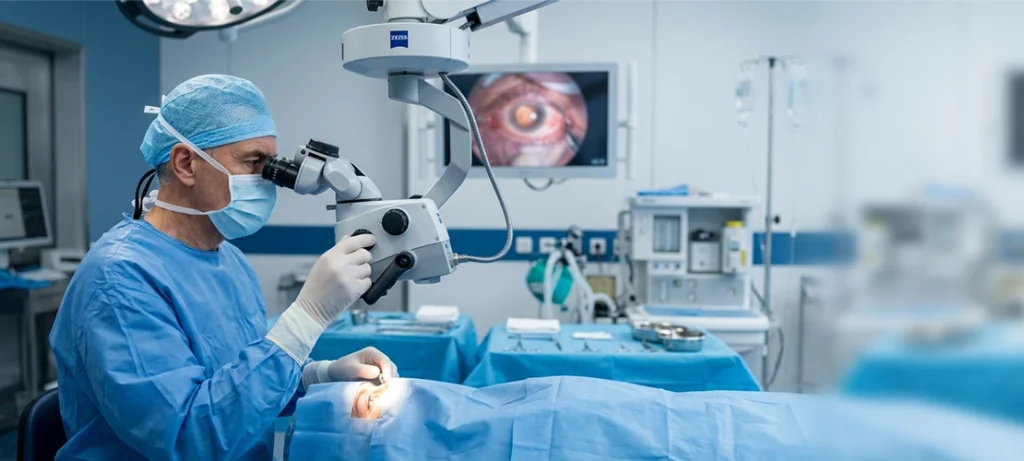
However at the point that vision loss is affecting reading, driving, work, or daily activities cataract surgery may be put forward. In cataract eye surgery the cloudy natural lens is removed and replaced with a clear artificial intraocular lens (IOL). Also that modern cataract surgery is one of the safest and most successful procedures world wide. For the large part vision improves greatly post procedure.
Why Early Diagnosis Matters
Understanding what causes cataracts which in turn allows patients to seek out medical attention before they suffer from severe vision loss. If left untreated, advanced cataracts can cause daily activities to become more difficult and at some point may lead to very serious visual impairment.
Patients put all their attention to what is the main cause of cataract, which is a narrow focus indeed what is important is early diagnosis of the issue. We see that regular eye exams are key in the early detection of cataracts which in turn prevent them from greatly affecting quality of life. If you are experiencing signs like blurred vision, glare sensitivity, or frequent changes in your prescription it is best to see an eye care professional who can determine if in fact you have cataracts and also go over what the best treatment options are.
Cataract Care at ASG Eye Hospital
At ASG Eye Hospital we provide full spectrum cataract evaluation and also we present all advanced treatment options which help our patients to improve vision. Our specialists evaluate the stage of cataracts, we also share what causes them, identify what may have brought them about in each patient’s case, and we put together very personal treatment plans. As for our patients’ care we may recommend watch and wait, updated vision correction, or advanced cataract eye surgery. What we do is to provide safe, effective and patient centered care with the use of the latest in diagnosis and surgical technologies.
Key Takeaway
If you have ever put out what causes cataracts it is usually a mix of aging, genetics, health issues, environment exposure, and lifestyle. It is true that for the great majority of people age that what is the main cause of cataract development which is why we stress preventive eye care and regular eye exams. We are also glad to report that we have very good results in cataract surgery which in turn allows us to improve quality of life for millions of people as they see more clearly.
Frequently Asked Questions
1. What causes cataracts in most people?
The most common reason for what causes cataracts is that with age the protein in the eye’s lens breaks down and clumps together which in turn creates cloudy areas that affect vision.
2. What is the main cause of cataract development?
For the great majority of people what is the main cause of cataract formation is age related changes in the lens. Also diabetics, smokers, those exposed to UV rays, and users of certain medications may also see development of this condition.
3. Can cataracts be prevented?
Although cataracts are not always preventable, what is recommended is that you wear UV protective sunglasses, avoid smoking, manage diabetes and also maintain a healthy lifestyle which may in turn reduce your risk.
4. What are the early cataract symptoms?
Early symptoms include blurred vision, sensitivity to glare, difficulty seeing at night, colors appearing faded and also a need to frequently change your eyeglass prescription.
5. When should I consider cataract surgery?
Cataract surgery is usually recommended when cataracts begin affecting daily activities such as reading, driving, or working.
6. Is cataract eye surgery safe?
Yes. Modern cataract eye surgery is considered highly safe and effective, with excellent success rates and rapid recovery for most patients.