Am I the right fit for Contura Vision? That depends on a detailed eye exam which goes beyond your prescription. Contoura Vision Eligibility is determined by age, corneal thickness, corneal shape, tear film quality, prescription stability and overall eye health. This is the reason Who Can Get Contoura Vision doesn’t have a simple answer; it is determined by the results of a full refractive surgery work-up.
Contoura Vision is a complex version of topography guided laser vision correction. We differ from what mainly does away with refractive errors in the traditional LASIK which is mostly corrective in nature; we also map out the very small irregularities of the corneal surface. This in turn helps the surgeon in putting together a very personalized treatment plan. But we also see that results are best when we have the right patient. Contoura Vision Eligibility is key because the procedure does best when the cornea is healthy, the prescription is stable and the eye surface is a proper fit for laser treatment.
At ASG Eye Care we walk each patient through the procedure step by step. We don\’t push every patient into surgery, instead we determine which of our technologies including Contura Vision is best for each individual and also which other options like SMILE, PRK, ICL or wearing glasses and contacts will work better for them.
What Makes Contoura Vision Different?
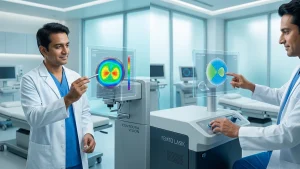
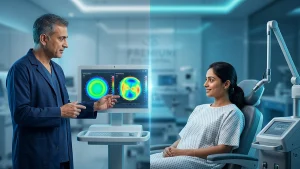
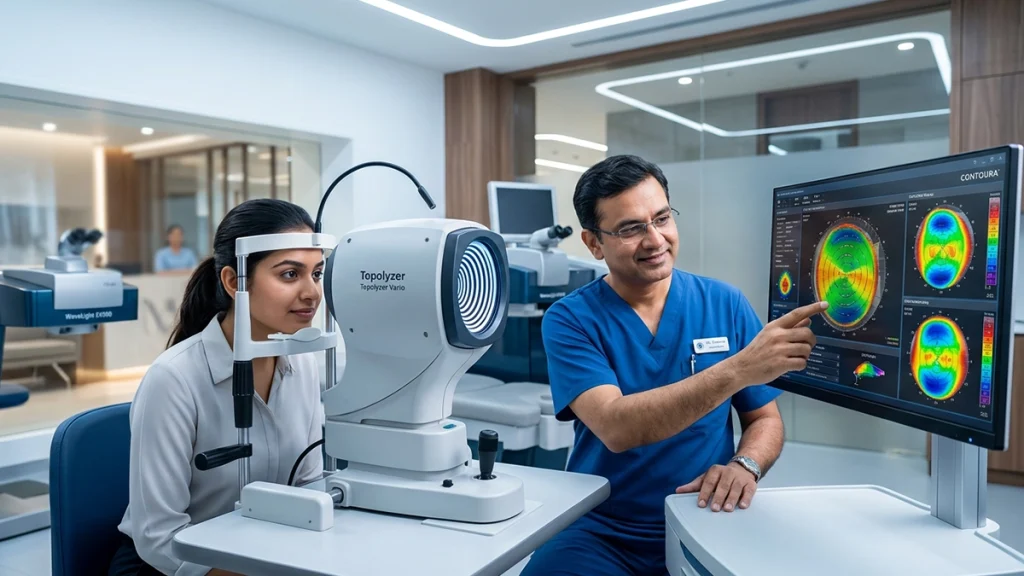
Contoura Vision which we have designed to improve vision quality by correcting refractive error and some types of corneal surface irregularities. The doctor uses diagnostic scans to go into great detail of the front surface of the cornea. From there we create a customized laser treatment plan. This is the area where Contoura Vision Eye Tests really prove their value because the pre-operative data’s quality plays a large role in the accuracy of the results.
For patients that are appropriate candidates Contoura may help improve clarity, contrast and night vision quality. Also it is not the case that Contoura Vision Eligibility is only for those that want to get rid of glasses.
Basic Contoura Vision Eligibility Criteria
An individual may be considered a candidate for Contura Vision if they are 18 years of age or older, have had a stable eyeglass prescription for at least one year, and also have sufficient corneal thickness for safe laser treatment. They should have general health of the eye, controlled dry eye, and realistic expectations regarding results.
The foundation of Contoura Vision success is corneal health. While a condition may present as correctable with specs, for the cornea to be too thin, irregular or weak means surgery may not be an option. Uncontrolled dry eye, active eye infection, and pregnancy-related prescription changes are other issues that can rule out surgery or delay it, as well as some auto-immune problems. This is determined by an ophthalmologist after full testing so Who Can Get Contoura Vision.
| Eligibility Factor | What the Doctor Checks | Why It Matters |
| Age and prescription stability | Age above 18 and stable number for around one year | Reduces the chance of prescription change after surgery |
| Corneal thickness | Pachymetry and tomography findings | Ensures enough tissue remains after laser correction |
| Corneal shape | Topography and tomography scans | Rules out keratoconus or unsafe irregularity |
| Tear film quality | Dry eye assessment | Helps reduce discomfort and fluctuating vision after surgery |
| Eye health | Retina, pupil, pressure and general eye check | Identifies hidden conditions before treatment |
This table provides a practical look at Contoura Vision Eligibility, but the final decision lies with the surgeon’s clinical assessment.
Who Can Get Contoura Vision?
Patients who present to us with questions of What can Contura Vision do are mostly young adults. These are tired-of-glasses and contact lens wearers looking for a long term solution, working professionals, students, athletes, and people whose lifestyle is made difficult by spectacles. We find that good candidates have mild to moderate myopia, hyperopia or astigmatism, anything that falls within the treatment range of the laser system.
The response also covers what is applicable to daily visual requirements. That which relates to nighttime driving, long hours on computers and that which enhances unaided vision may benefit from a custom treatment if the eyes are a suitable candidate. Also that Contura Vision Eligibility is still to be proven in a clinical setting. Convenience by itself is not enough.
Patients with very thick or very thin corneas and any issues we spot for them on our scans we guide toward a different procedure. The best candidates are those with a stable prescription, healthy corneas, good tear film, who do well on our scans, and who also have realistic expectations.
Contoura Vision Eye Tests Before Surgery
A thorough preoperative examination forms the basis for the safety of laser vision correction. Contoura Vision Eye Tests are meant to confirm that the eye is an appropriate candidate for laser reshaping. These tests also assist the surgeon in customizing the treatment plan. The Contoura Vision Eye Tests are inclusive of corneal topography, corneal tomography, pachymetry, refraction testing, dry eye evaluation, measurement of the pupil, eye pressure check, and retinal exam. Some patients might need additional tests so we can determine eligibility for Contoura Vision.
| Test Name | What It Evaluates | How It Helps in Decision-Making |
| Refraction test | Exact glasses power | Confirms the correction needed |
| Corneal topography | Surface curvature of the cornea | Helps plan topography-guided treatment |
| Corneal tomography | Deeper corneal shape and thickness profile | Detects early keratoconus or unsafe corneas |
| Pachymetry | Corneal thickness | Confirms whether enough tissue is available |
| Dry eye testing | Tear film quality | Reduces risk of post-surgery discomfort |
| Retina examination | Back of the eye | Rules out retinal problems before surgery |
Contoura Vision Eye Tests aren’t just a formality; they keep the patient from unnecessary risk. A person may seem like a good candidate in a basic exam; however, on a larger scale, we may see that another option is, in fact, safer. In that case, we may not support Contoura Vision Eligibility which the patient may very much want to do.
Who May Not Be Eligible?
Spectacle removal is not for every patient who desires it, though. Those with an unstable prescription, thin corneas, or keratoconus, severe dry eye, active eye infection, uncontrolled diabetes, certain autoimmune diseases, or unrealistic expectations should not be advised to go through the procedure. Hormonal changes during pregnancy and breastfeeding can temporarily affect prescription and tear film in some cases, so such women may be advised to wait. A woman with an unrealistic expectation that her vision will be perfect after the procedure may be advised to postpone it until after pregnancy.
There are other treatments available to the patient. Not confirmed at that moment as a Contoura Vision Eligibility. Not confirmed at that moment. After the treatment of dry eye, stabilization of health conditions, or further monitoring, some patients may become eligible later. Others may be better suited for ICL, PRK, SMILE, or another refractive option.
Hence, patients should not trust themselves to be suitable based on advertisements or online testimonials. The safest answer comes from detailed testing and a surgeon who explains both sets of advantages and limitations clearly.
Expected Results After Contoura Vision
For those asking Who Can Get Contoura Vision, the right candidate may achieve clear unaided vision and reduced dependence on glasses or contact lenses. Most patients notice improvement within the first few days, though complete visual stabilization can take longer. Quality results depend on proper planning, good healing, and careful post-operative care.
The best outcomes are usually seen when the Contoura Vision Eligibility is properly assessed prior to surgery. Patients with healthy corneas, stable prescriptions, and good tear film tend to experience uneventful recoveries. At the same time, no laser procedure can promise perfect vision for every patient. Some may still need glasses for certain tasks, especially if they have high pre-existing power or develop age-related near vision changes later in life.
Contoura Vision Recovery: What to Expect
Contoura Vision Recovery is generally rapid but needs care. Most of the patients can get back to their routine activities in a few days, subject to the doctor’s advice. Mild dryness, watering, light sensitivity or slight fluctuation in vision may be there in the early phases which generally get alright with the drops and care that is advised.
Patients should refrain from any eye rubbing, swimming, or eye makeup or exposure to dusty environments for the duration recommended by the surgeon. Follow-up visits are important since during these visits the doctor checks on the healing process, the improvement in vision and dryness. A smooth Contoura Vision Recovery also depends on the surgery as well as how carefully the patient follows instructions.
Patients must realize that healing is dissimilar in each eye; some may feel fine the next day, while for others, it might take a little longer for their vision to settle. Temporary dryness or glare does not always imply something wrong, but severe pain, sudden drop of vision or increasing redness should be reported at once.
Recovery Timeline
Usually, vision starts improving within the first 24 to 48 hours, but it may fluctuate. Many patients are back to their office work and normal daily activities within the first week. Over the next few weeks, the surface of the eye continues to settle. Lubricating drops may be continued by the doctor for comfort during Contoura Vision Recovery, and good Contoura Vision Recovery depends on following the drop schedule.
Recovery of the patient also depends on the status of the eye preoperatively. If the eye already had dryness, the post-op period might require more frequent lubricants and closer monitoring. If preoperative scans were excellent and the surface of the eye was healthy, recovery may be felt to be easy. This is another reason why preoperative testing is to be done before the procedure.
ASG Eye Care Approach to Contours Vision
The focus at ASG Eye Care remains on safe evaluation, honest counselling and treatment planning that suits the patient. Before recommending any surgery, the team makes sure about suitability through detailed diagnostics. The doctor explains who can go for it, who should avoid it, and what alternative may be safer when needed.
ASG Eye Care also gives importance to patient comfort during evaluation and after the procedure. Patients receive guidance on preparation, surgery day instructions, and Contoura Vision Recovery care. This complete approach helps patients make a confident decision rather than feeling rushed into surgery.
If you are considering laser vision correction, do not first compare prices or testimonials. The right first step is to confirm Contoura Vision Eligibility through a detailed eye examination. Once the tests are reviewed, your doctor will be able to tell you quite clearly who is suitable and what results you can realistically expect.
Key Takeaway
The eligibility criteria for Contoura Vision Eligibility go beyond your glasses number. Age, stability of prescription, corneal thickness, corneal shape, dry eyes, and general eye health play an important role. Who Can Get Contoura Vision is answered only after all Contoura Vision Eye Tests. For the right candidate, the procedure can give excellent visual freedom, but safe results depend on proper selection, realistic expectations, and careful recovery care.
Frequently Asked Questions
1. What is Contoura Vision Eligibility?
Contoura Vision Eligibility would indicate whether your eyes are suitable for such topography-guided laser vision correction. It includes a check on age, stable prescription, corneal thickness, corneal shape, tear film quality, and general eye health as other basic prerequisites for approval.
2. Who Can Get Contoured Vision?
Who Can Get Contoured Vision depends on the eye evaluation. Generally, adults with stable prescription, healthy corneas, adequate corneal thickness and no active eye disease may be suitable candidates.
3. Which eye tests are required before surgery?
The main Contoura Vision Eye Tests include refraction testing, corneal topography, corneal tomography, pachymetry, dry eye evaluation, pupil measurement, eye pressure check, and retina examination. These tests help confirm safety and treatment planning.
4. How long does Contoura Vision Recovery take?
Most patients have quick recovery with Contoura Vision Recovery. Vision may start improving in a few days but will completely stabilize over a few weeks. During recovery, regular follow-ups and prescribed eye drops are essential.
5. Is everyone eligible for Contoura Vision?
No. Contoura Vision Eligibility may not be confirmed if a patient has thin corneas, an unstable prescription, keratoconus, severe dry eyes, an active eye infection, or certain uncontrolled health conditions. In such cases, other treatments would be recommended.
6. Is Contoura Vision better than normal LASIK?
Contoura Vision may provide a more personalized treatment as it involves corneal mapping, but the best option would be dependent on the health of the eye and the advice of the surgeon.
7. Are Contoura Vision Eye Tests painful?
No, Contoura Vision Eye Tests are generally painless. They mostly include scanning, measurements, and routine eye examination. Some drops may be used during the evaluation, but it’s pretty much painless.
8. What should I avoid after Contoura Vision?
During recovery, refrain from rubbing the eyes, swimming, wearing eye makeup, exposure to dusty surroundings, and skipping the prescribed drops. And make sure to adhere to the doctor’s schedule for review visits to ensure proper healing.
9. Why is Contoura Vision Eligibility important?
This is important as Contoura Vision Eligibility is based on the fact that the process will reshape the cornea permanently. Good screening will help reduce risk, enhance safety, and enable better visual results over the long term.