ASG Eye Hospital

Cataract Treatment with Advanced Vision Correction

20 

Years

180+
Hospitals

700+
Eye Specialists

3
Crore+ Eyes

20 
Years

180+
Hospitals

700+
Eye Specialists

3
Crore+ Eyes

What is Cataract?

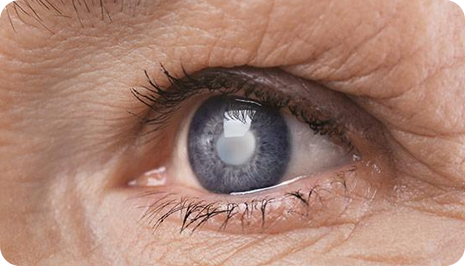
Cataract is an eye disease in which the natural lens of the eye becomes cloudy, leading to blurred or dim vision. Normally, the lens is clear and helps focus light onto the retina, but in cataract, this clarity is lost—making vision appear hazy, like looking through a fogged glass.

Cataract is one of the leading causes of vision loss, especially in people above 50 years of age, but it is treatable and reversible with surgery.

Cataract

Cataract: Disease Overview, Symptoms & Treatment

Types of Cataract

1. Nuclear Cataract

  • Affects the center of the lens
  • Common with aging
  • Difficulty in distance vision

2. Cortical Cataract

  • Develops at the edges of the lens
  • Causes glare and light sensitivity

3. Posterior Subcapsular Cataract

  • Forms at the back of the lens
  • Affects reading and vision in bright light

4. Congenital Cataract

  • Present at birth or develops in childhood

5. Traumatic Cataract

  • Caused due to injury to the eye

Symptoms of Cataract

Common symptoms include:

  • Blurred or cloudy vision
  • Difficulty seeing at night
  • Sensitivity to light and glare
  • Halos around lights
  • Fading or yellowing of colors
  • Frequent change in glasses number
  • Double vision in one eye

Causes of Cataract

The most common cause is aging, but other factors include:

  • Diabetes
  • Eye injury
  • Long-term steroid use
  • Excess UV exposure
  • Smoking and alcohol
  • Genetic factors
With age, proteins in the eye lens break down and clump together, causing clouding.

Risk Factors

You are at higher risk if you:

  • Are above 50 years
  • Have diabetes
  • Smoke or drink alcohol
  • Have prolonged sun exposure
  • Have family history of cataract

Diagnosis

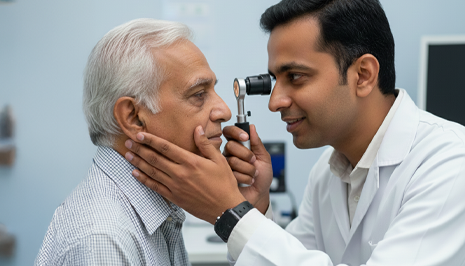
Cataract is diagnosed through an eye examination:

  • Vision test
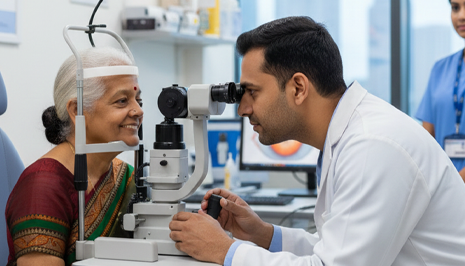
  • Slit-lamp examination
  • Retina check
  • Refraction test

Treatment of Cataract

1. Early Stage

  • Glasses or better lighting can help temporarily

2. Cataract Surgery (Best Treatment)

  • Cloudy lens is removed
  • Artificial lens (IOL) is implanted

Advanced Options:

  • Laser cataract surgery
  • Phacoemulsification
  • Premium lenses (multifocal / toric)

Surgery is safe, painless, and takes 10–20 minutes.

What Happens if Cataract is Not Treated?

  • Severe vision loss
  • Difficulty in daily activities
  • Risk of falls and accidents
  • Possible complications like glaucoma

Prevention Tips

  • Wear UV-protected sunglasses
  • Control diabetes
  • Avoid smoking
  • Eat healthy (green vegetables, fruits)
  • Regular eye check-ups

Key Takeaway

Cataract is a common but treatable eye disease. Early diagnosis and timely surgery can completely restore vision and improve quality of life.


Book Your Appointment

Submit Your Request

Get a Call from Our Team

Meet Your Specialist

Begin Your Eye Care Journey

Please wait...

Self Booking
Get A Call Back

Vision for All.
Not Just for Some

ASG is growing its network with 200 Vision Centres, delivering affordable eye care to over 4 million people.

Or

Clear Answers for Better Vision

Is cataract a serious disease?

Yes, if untreated it can cause vision loss, but it is fully treatable.

No, surgery is the only permanent solution.

No, it is painless and done under local anesthesia.

Most people recover within a few days to weeks.

Every Angle of Vision.
Every Kind of Care.

Overview

Job Title: Consultant Ophthalmologist

Location: Jaipur, Rajasthan

Job Category: Technical/ IT Support

Work Employment:  Full time

What you work:

  • Diagnose and treat patients with a focus on Ophthalmologist.
  • Collaborate with senior doctors and multidisciplinary teams.
  • Ensure patient-centric care and follow clinical protocols.
  • Contribute to research, training, or hospital initiatives (if applicable).

Mandatory skills:

  • Relevant medical degree / certification.
  • Strong knowledge of ophthalmology practices / healthcare protocols.
  • Excellent communication and patient-handling skills.
  • Ability to work in fast-paced healthcare environments.

Preferred Qualifications:

  • Experience: 3 to 6 years of experience
  • Prior experience in eye care / multi-speciality hospitals.
  • Fellowship or advanced training in Ophthalmologist.
  • Familiarity with advanced diagnostic tools and surgical techniques.
  • Passion for innovation, patient care, and continuous learning.

Apply For This Positions

This will close in 0 seconds