Congenital Cataract: Disease Overview, Symptoms & Treatment
Why Early Treatment is Important
Vision development happens rapidly in the first few years of life. If the eye does not receive clear images:
The brain may not learn to see properly
It can lead to amblyopia (lazy eye)
Permanent vision loss may occur
Early diagnosis and intervention are key to restoring functional vision.
Symptoms of Congenital Cataract in Children
Since infants cannot express vision problems, parents should watch for early signs:
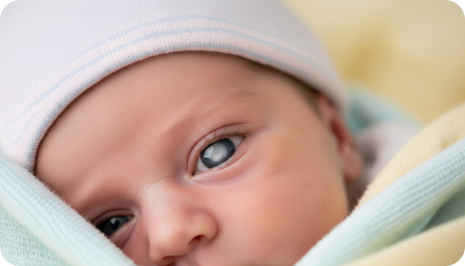
White or grey reflex in the pupil (especially in photos)
Poor eye contact or lack of visual tracking
Uncontrolled eye movements (nystagmus)
Eye misalignment (squint)
Sensitivity to light
Delayed response to visual stimuli
If you notice any of these symptoms, immediate consultation is recommended.
Causes of Congenital Cataract
Congenital cataracts may occur due to various factors:
1. Genetic Causes
2. Infections During Pregnancy
Rubella
Cytomegalovirus (CMV)
Toxoplasmosis
3. Metabolic Disorders
Galactosemia
Calcium imbalance
4. Systemic & Chromosomal Conditions
In some cases, the exact cause may remain unknown.
Types of Congenital Cataract
Based on structure and severity:
By Location:
Nuclear cataract (center of lens)
Lamellar cataract (layered opacity)
Posterior or anterior polar cataract
Total cataract (complete lens involvement)
By Laterality:
Unilateral (one eye)
Bilateral (both eyes)
Severity determines urgency of treatment.
Diagnosis of Congenital Cataract
Early screening is critical to prevent irreversible vision loss.
Common Diagnostic Tests:
Red reflex test (newborn screening)
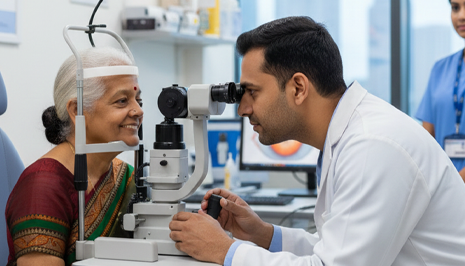
Slit-lamp examination
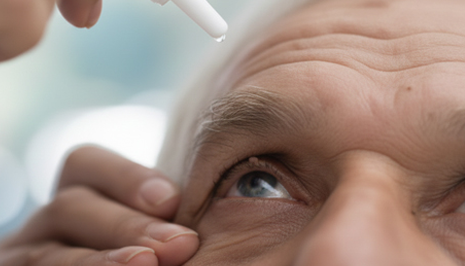
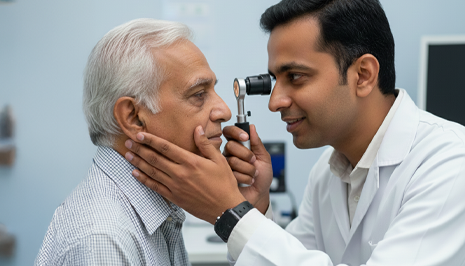
Dilated eye exam
Ocular ultrasound (in dense cataracts)
Pediatric systemic evaluation
Routine newborn eye screening helps detect issues early.
Treatment of Congenital Cataract
Treatment depends on the severity and visual impact.
1. Monitoring
Small cataracts that do not affect vision may only require observation.
2. Cataract Surgery (Primary Treatment)
The cloudy lens is removed and replaced with an artificial intraocular lens (IOL). Modern cataract surgery is safe, stitchless, and provides fast recovery.
3. Post-Surgery Vision Correction
4. Amblyopia Therapy
When Should You See an Eye Specialist?
Consult immediately if:
You see a white reflection in your child’s eye
Your baby does not follow objects
Eyes appear misaligned
There is a family history of eye disease
Early treatment significantly improves visual outcomes.
Why Choose ASG Eye Hospital?
At ASG Eye Hospital, we provide:
Dedicated paediatric ophthalmology specialists
Advanced diagnostic and surgical technology
Child-friendly treatment environment
Personalized care and long-term follow-up
With a strong network across India, ASG ensures accessible and expert eye care for every child.
Conclusion
Congenital cataract is a serious yet treatable eye condition. Early diagnosis, timely surgery, and proper visual rehabilitation play a crucial role in ensuring normal vision development.
If you notice any symptoms, visit your nearest ASG Eye Hospital for expert evaluation and care.