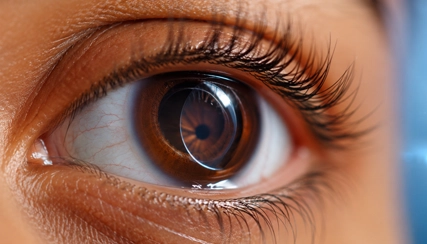
Lens Dislocation: Disease Overview, Symptoms & Treatment
Types of Lens Dislocation
1. Subluxation (Partial Dislocation)
2. Complete Dislocation
3. IOL Dislocation (Post-Surgery)
Symptoms of Lens Dislocation
Symptoms vary based on severity:
Blurred or distorted vision
Double vision
Seeing the edge of the lens implant
Eye discomfort or instability
Shaking or trembling iris (in some cases)
In mild cases, symptoms may not be noticeable initially.
Causes of Lens Dislocation
Lens dislocation can occur due to multiple reasons:
1. Eye Injury (Most Common)
2. Genetic Disorders
3. Post Cataract Surgery
4. Other Risk Factors
How Lens Dislocation Affects Vision
When the lens shifts from its normal position:
Light does not focus correctly on the retina
Vision becomes blurred or distorted
In severe cases, complications like retinal damage may occur
Diagnosis of Lens Dislocation
Early detection is essential for effective treatment.
Diagnostic Tests:
Doctors assess the position of the lens and any associated eye damage.
Treatment of Lens Dislocation
Treatment depends on severity and symptoms:
1. Observation (Mild Cases)
2. Vision Correction
3. Surgical Treatment (Advanced Cases)
If vision is significantly affected, surgery may be required:
Repositioning of the natural or artificial lens
Removal of dislocated lens
Implantation of a new intraocular lens (IOL)
Surgery is often combined with vitrectomy to stabilize the eye.
Possible Complications
If left untreated, lens dislocation can lead to:
When Should You See an Eye Specialist?
Seek immediate care if you experience:
Sudden blurred or double vision
Eye injury
Vision changes after cataract surgery
Visible shift in the eye lens
Early intervention helps prevent permanent vision loss.
Why Choose ASG Eye Hospital?
Experienced cataract and retina specialists
Advanced diagnostic and surgical technology
Expertise in complex lens and trauma cases
Comprehensive care from diagnosis to recovery
ASG Eye Hospital ensure precise treatment and long-term eye health management.