Traumatic Cataract: Disease Overview, Symptoms & Treatment
Why Immediate Care is Important
Eye injuries should never be ignored. Traumatic cataracts can:
Cause sudden or progressive vision loss
Lead to complications like inflammation or retinal damage
Result in permanent vision impairment if untreated
Early intervention improves recovery and visual outcomes.
Symptoms of Traumatic Cataract
Symptoms may appear immediately after injury or develop later.
Common Signs:
If you experience any of these after an eye injury, consult an eye specialist immediately.
Causes of Traumatic Cataract
Traumatic cataracts are caused by different types of eye injuries:
1. Blunt Trauma
2. Penetrating Injury
Sharp objects (glass, metal, wood) entering the eye
Can directly damage or rupture the lens
3. Chemical or Thermal Injury
4. Electric Shock or Radiation
How Traumatic Cataract Develops
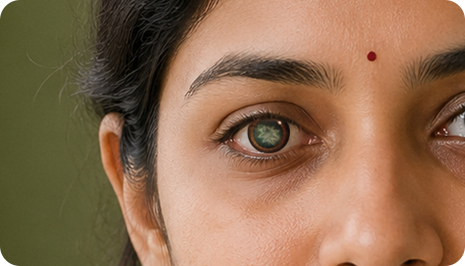
When the eye is injured, the lens fibers get damaged or disrupted. This leads to swelling and clouding of the lens, which interferes with light focusing and vision clarity.
In some cases, cataract formation may be immediate, while in others it progresses slowly.
Types of Traumatic Cataract
Based on injury pattern:
Concussion Cataract – caused by blunt trauma
Penetrating Cataract – due to sharp injury
Secondary Cataract – develops after inflammation or surgery
Severity varies from partial opacity to complete lens clouding.
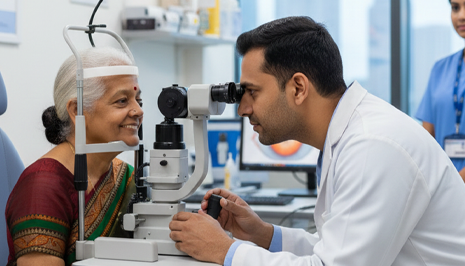
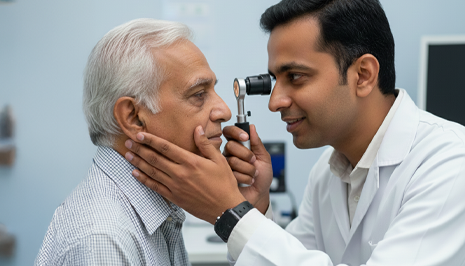
Diagnosis of Traumatic Cataract
Early diagnosis is essential to assess damage and plan treatment.
Diagnostic Methods:
Doctors may also check for associated injuries like retinal damage or glaucoma.
Treatment of Traumatic Cataract
Treatment depends on the severity of injury and vision impact.
1. Medical Management
2. Cataract Surgery (Primary Treatment)
The most effective treatment is cataract surgery, where the damaged lens is removed and replaced with an artificial intraocular lens (IOL).
Surgery may be performed immediately or after stabilizing the eye, depending on injury type.
3. Management of Associated Injuries
In some cases, additional procedures may be required for:
4. Post-Surgery Rehabilitation
When Should You See a Doctor?
Seek immediate care if you have:
Any eye injury (even minor)
Sudden blurred or reduced vision
Eye pain or redness
Light sensitivity or double vision
Delaying treatment can increase the risk of permanent vision loss.
Why Choose ASG Eye Hospital?
Expert cataract and trauma specialists
Advanced diagnostic technology
Customized surgical planning
Complete eye care from emergency to recovery
ASG Eye Hospital ensure timely intervention and comprehensive care for trauma-related eye conditions.