Conjunctivitis (Pink Eye) – Symptoms, Causes & Treatment at ASG Eye Hospital
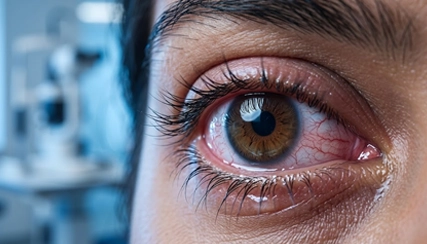
Conjunctivitis, commonly known as pink eye, is an inflammation or infection of the conjunctiva — the thin transparent membrane covering the white part of the eye and inner eyelids. It is one of the most common eye conditions affecting children and adults and may cause redness, itching, watering, irritation, discharge, and swelling. Conjunctivitis can be caused by viral infections, bacterial infections, allergies, or environmental irritants. At ASG Eye Hospital, experienced eye specialists provide advanced diagnosis and personalized treatment for all types of conjunctivitis to help relieve symptoms and protect long-term eye health.
Types of Conjunctivitis
Viral Conjunctivitis
Viral conjunctivitis is the most common type of pink eye and is highly contagious. It usually develops due to viral infections such as the common cold. Symptoms often include watery discharge, redness, irritation, and swelling.
Bacterial Conjunctivitis
Bacterial conjunctivitis occurs due to bacterial infection and may cause thick yellow or green discharge, eyelid sticking, redness, and discomfort. It can spread through direct contact and often requires antibiotic treatment.
Allergic Conjunctivitis
Allergic conjunctivitis develops when the eyes react to allergens such as pollen, dust, smoke, pet dander, or pollution. It commonly causes itching, watering, redness, and swelling in both eyes.
Irritant Conjunctivitis
This type occurs due to exposure to chemicals, smoke, dust, chlorine, or foreign particles that irritate the conjunctiva. Symptoms may improve once the irritant is removed.
Symptoms of Conjunctivitis
Common symptoms of conjunctivitis include:
- Red or pink appearance of the eyes
- Watery or sticky eye discharge
- Itching and irritation
- Burning sensation in the eyes
- Swollen eyelids
- Crusting around eyelashes
- Sensitivity to light
- Excessive tearing
- Foreign body sensation
- Mild blurred vision due to discharge
Symptoms may vary depending on whether the condition is viral, bacterial, or allergic.
Causes of Conjunctivitis
Conjunctivitis may develop due to several reasons, including:
- Viral infections
- Bacterial infections
- Seasonal allergies
- Dust and pollution exposure
- Contact lens irritation
- Poor eye hygiene
- Smoke or chemical exposure
- Sharing towels or cosmetics
- Touching the eyes with unclean hands
Identifying the exact cause is essential for selecting the right treatment approach.
Risk Factors for Conjunctivitis
People with the following conditions may have a higher risk of developing conjunctivitis:
- Exposure to infected individuals
- Seasonal allergies
- Weak immune system
- Poor hand hygiene
- Long-term contact lens use
- Chronic dry eyes
- Exposure to crowded environments
Complications of Untreated Conjunctivitis
Without proper treatment, conjunctivitis may lead to:
- Spread of infection
- Corneal inflammation
- Eye discomfort and irritation
- Temporary blurred vision
- Chronic redness
- Recurrent infections
- Increased sensitivity to light
Although most cases are mild, severe infections should never be ignored.
Diagnosis of Conjunctivitis
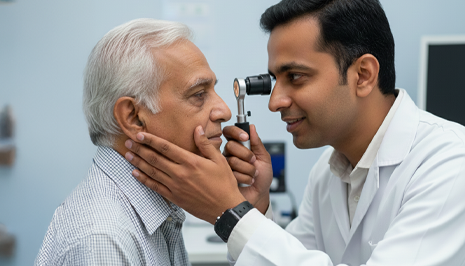
At ASG Eye Hospital Appointment Services, specialists perform detailed eye examinations to diagnose conjunctivitis accurately. Evaluation may include:
- Slit lamp eye examination
- Assessment of eye discharge
- Allergy evaluation
- Corneal examination
- Tear film assessment
- Contact lens history review
Proper diagnosis helps determine whether the condition is viral, bacterial, allergic, or irritant-related.
Conjunctivitis Treatment Options
Lubricating Eye Drops
Artificial tears help relieve dryness, irritation, and burning sensations associated with conjunctivitis.
Antibiotic Eye Drops
Bacterial conjunctivitis is commonly treated with prescribed antibiotic eye drops or ointments to control infection.
Anti-Allergic Medications
Allergic conjunctivitis may require anti-allergic eye drops, cold compresses, and allergen avoidance to reduce symptoms.
Cold & Warm Compresses
Compress therapy may help reduce swelling, irritation, and eye discomfort.
Hygiene & Supportive Care
Patients are advised to maintain strict hygiene, avoid eye rubbing, and avoid sharing towels or cosmetics to prevent infection spread.
How to Prevent Conjunctivitis
You can reduce the risk of conjunctivitis by:
- Washing hands frequently
- Avoiding touching or rubbing the eyes
- Not sharing towels or cosmetics
- Cleaning contact lenses properly
- Avoiding exposure to allergens
- Maintaining proper eye hygiene
- Staying away from infected individuals when possible
Why Choose ASG Eye Hospital for Conjunctivitis Treatment?
- Experienced eye specialists
- Advanced diagnostic technology
- Personalized treatment plans
- Comprehensive infection and allergy care
- Modern eye care facilities
- Trusted eye hospital network across India
- Focus on long-term eye health and patient safety
ASG Eye Hospital provides advanced care for conjunctivitis, red eyes, allergies, and eye infections with a focus on fast relief and healthy vision.