Symptoms of Dry Eye Syndrome
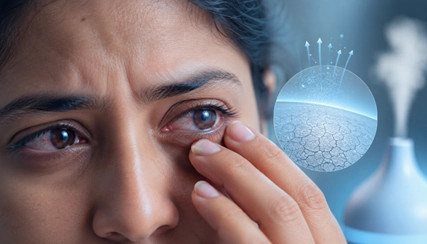
Patients with dry eyes may experience one or more of the following symptoms:
Burning or stinging sensation in the eyes
Redness and irritation
Gritty or sandy feeling in the eyes
Blurred or fluctuating vision
Sensitivity to light (Photophobia)
Eye fatigue during screen use
Watery eyes due to reflex tearing
Difficulty wearing contact lenses
Stringy mucus around the eyes
Discomfort while reading or driving at night
Persistent symptoms should not be ignored, as untreated dry eye can affect corneal health and visual quality.
Causes of Dry Eye Syndrome
Dry eye syndrome may occur due to several factors that affect tear production or tear quality.
Reduced Tear Production
The eyes may not produce sufficient tears because of aging, hormonal changes, autoimmune diseases, or certain medications.
Increased Tear Evaporation
Tears may evaporate too quickly due to excessive screen use, reduced blinking, meibomian gland dysfunction, environmental pollution, or prolonged air conditioning exposure.
Medical Conditions
Conditions such as Sjögren’s syndrome, rheumatoid arthritis, diabetes, thyroid disease, and lupus may contribute to chronic dry eyes.
Contact Lens Use
Long-term or improper contact lens use can disturb the tear film and increase dryness.
Environmental Factors
Dust, smoke, pollution, dry climate, wind exposure, and excessive digital screen time can worsen symptoms.
Risk Factors for Dry Eye Syndrome
Certain individuals are at higher risk of developing dry eyes:
Age above 40 years
Excessive mobile or computer screen use
Female hormonal changes or menopause
Contact lens wearers
Patients with autoimmune diseases
Long-term medication use
Previous eye surgery
Exposure to dry or dusty environments
Dry eye disease has become increasingly common due to prolonged digital device usage.
Diagnosis of Dry Eye Syndrome
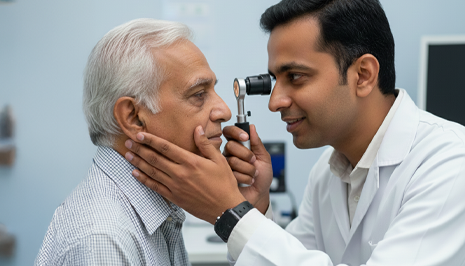
At ASG Eye Hospital, advanced diagnostic tools help identify the type and severity of dry eye disease.
Tear Film Evaluation
Specialists evaluate tear quality, tear stability, and evaporation rate to determine the underlying cause.
Schirmer’s Test
This test measures tear production using a special absorbent strip placed near the eyelid.
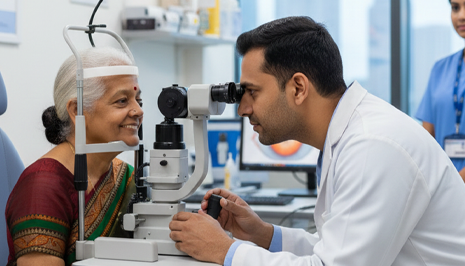
Slit Lamp Examination
A slit lamp microscope helps assess the ocular surface, tear film, eyelids, and corneal health.
Meibomian Gland Assessment
Specialists examine oil-producing glands in the eyelids to identify gland dysfunction and evaporative dry eye.
Corneal Surface Staining
Special dyes help detect corneal surface damage caused by dryness.
Dry Eye Syndrome Treatment Options
Treatment depends on the severity and cause of dry eye disease.
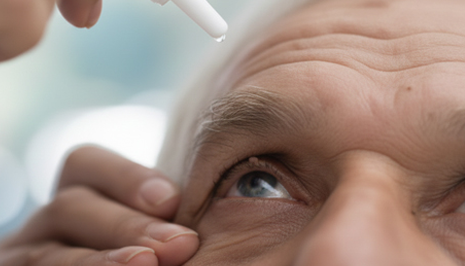
Artificial Tears and Lubricating Eye Drops
Lubricating drops help maintain moisture and provide relief from irritation and dryness. Preservative-free drops may be recommended for chronic use.
Medicated Eye Drops
Anti-inflammatory eye drops may help improve tear production and reduce ocular surface inflammation.
Warm Compress Therapy
Warm compresses help improve oil gland function and reduce tear evaporation.
Lifestyle Modifications
Patients may be advised to:
Punctal Plugs
Tiny plugs may be inserted into tear drainage ducts to retain natural tears for longer periods.
Advanced Dry Eye Therapies
Advanced treatment options such as Intense Pulsed Light (IPL), lipid-based therapies, and meibomian gland treatments may be recommended in severe cases.
Complications of Untreated Dry Eye Syndrome
If dry eye syndrome is not managed properly, it may lead to:
Chronic eye irritation
Corneal inflammation
Increased risk of eye infections
Corneal ulcers or surface damage
Difficulty performing daily activities
Reduced visual quality
Early diagnosis and proper treatment help prevent long-term complications.
Recovery and Long-Term Management
Dry eye syndrome is often a chronic condition, but proper management can provide long-term relief.
Mild cases may improve within days to weeks
Chronic cases require ongoing care and lifestyle management
Regular eye checkups help monitor ocular surface health
Consistent treatment improves comfort and vision quality
Most patients experience significant improvement with proper treatment and preventive care.
Advanced Technology for Dry Eye Care at ASG Eye Hospital
ASG Eye Hospital uses advanced diagnostic and treatment technologies for comprehensive dry eye management:
Tear Film Analysis
Meibomian Gland Evaluation
Slit Lamp Imaging
Corneal Surface Mapping
Advanced Lubrication Therapies
Intense Pulsed Light (IPL) Therapy
Why Choose ASG Eye Hospital for Dry Eye Treatment?
Experienced cornea and ocular surface specialists
Advanced dry eye diagnostic technology
Personalized treatment plans
Comprehensive care for chronic dry eye disease
Modern eye care facilities
Network of 180+ eye hospitals across India