ASG Eye Hospital

Endophthalmitis: Serious Eye Infection & Inflammation

Endophthalmitis is a rare but serious eye infection. Early screening and expert care can help manage symptoms and protect vision.

20 
Years

200+
Hospitals

700+
Eye Specialists

3
Crore+ Eyes

What is Endophthalmitis?

Endophthalmitis is severe inflammation inside the eye caused primarily by bacterial or fungal infection. The infection affects the aqueous humor and vitreous humor — the fluids inside the eye — and may spread rapidly if untreated.

The condition is classified as:

Exogenous Endophthalmitis

This occurs when microorganisms enter the eye from outside sources, commonly after:

  • Cataract surgery
  • Eye injury or trauma
  • Intravitreal injections
  • Corneal infections
  • Glaucoma surgery

Exogenous endophthalmitis is the most common type.

Endogenous Endophthalmitis

This occurs when infection spreads to the eye through the bloodstream from another infected part of the body. It is less common but can occur in patients with severe systemic infections or weakened immunity.

Endophthalmitis

Endophthalmitis – Symptoms, Causes & Emergency Treatment at ASG Eye Hospital

Endophthalmitis is a rare but serious eye infection and inflammation that affects the internal fluids and tissues of the eye. It is considered an ophthalmic emergency because delayed treatment can rapidly lead to severe vision loss or permanent blindness. Endophthalmitis may occur after eye surgery, eye injury, intravitreal injections, or due to infections spreading from another part of the body through the bloodstream. Immediate diagnosis and urgent treatment are critical to preserve vision and control infection. At ASG Eye Hospital, experienced retina and infection specialists provide advanced emergency diagnosis and treatment for endophthalmitis using modern retinal imaging, intravitreal therapies, and vitreoretinal surgical techniques.

Symptoms of Endophthalmitis

Symptoms often develop rapidly and may worsen within hours or days. Common symptoms include:

  • Severe eye pain
  • Redness of the eye
  • Sudden blurred vision
  • Significant vision loss
  • Sensitivity to light (photophobia)
  • Swollen eyelids
  • Eye discharge
  • Watery eyes
  • Floaters
  • White or cloudy appearance inside the eye

    Patients often notice worsening symptoms shortly after eye surgery or trauma.

Causes of Endophthalmitis

Endophthalmitis may develop due to bacterial, fungal, or rarely parasitic infections.

Common Causes Include:
  • Cataract surgery
  • Intravitreal eye injections
  • Penetrating eye injuries
  • Eye trauma involving foreign objects
  • Corneal ulcers
  • Post-glaucoma surgery infections
  • Bloodstream infections
  • Severe systemic infections

    The most common organisms include Staphylococcus and Streptococcus bacteria, while fungal infections are more common in immunocompromised patients.

Risk Factors for Endophthalmitis

Factors increasing the risk include:

  • Recent eye surgery
  • Eye injury or trauma
  • Diabetes
  • Weakened immune system
  • Intravitreal injections
  • Corneal infections
  • Poor wound healing
  • Long surgical procedures
  • Bloodstream infections

    Patients with systemic illness or poor immunity are more vulnerable to severe infection.

Complications of Untreated Endophthalmitis

Without immediate treatment, endophthalmitis can cause:

  • Permanent vision loss
  • Retinal damage
  • Retinal detachment
  • Corneal damage
  • Optic nerve injury
  • Blindness
  • Loss of the eye in severe cases

    Visual outcomes are significantly better when treatment begins early.

Diagnosis of Endophthalmitis

At ASG Eye Hospital, retina and infection specialists perform urgent eye evaluations to diagnose endophthalmitis and identify the infecting organism. Diagnostic evaluation may include:

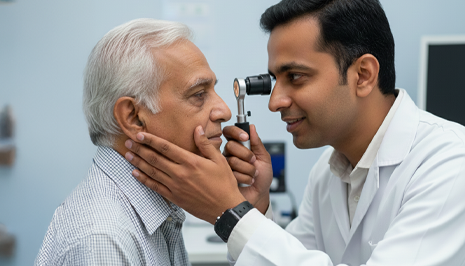
  • Comprehensive eye examination
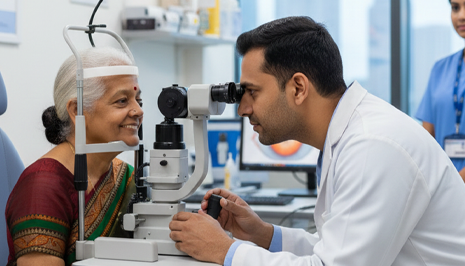
  • Slit lamp examination
  • Retinal evaluation
  • Ocular ultrasound (B-scan)
  • Vitreous or aqueous fluid sampling
  • Microbiological cultures
  • Blood investigations
  • Imaging studies if required

    Laboratory testing helps identify bacterial or fungal organisms and guides targeted treatment.

Emergency Treatment Options for Endophthalmitis

Intravitreal Antibiotic Injections

Antibiotics or antifungal medications are injected directly into the eye to rapidly control infection.

Vitrectomy Surgery

In severe cases, vitrectomy surgery may be required to remove infected vitreous material and reduce inflammation. The procedure also allows better delivery of medications inside the eye.

Topical & Oral Medications

Patients may receive antibiotic eye drops, oral medications, or intravenous treatment depending on infection severity.

Corticosteroid Therapy

Steroids may occasionally be used under specialist supervision to reduce inflammation after infection control.

Hospital-Based Monitoring

Severe infections often require emergency hospitalization and close retinal monitoring.

Recovery After Endophthalmitis

Recovery depends on:

  • Severity of infection
  • Speed of diagnosis
  • Type of organism
  • Retinal involvement
  • Promptness of treatment

    Some patients recover useful vision, while others may continue to experience permanent visual damage despite treatment.

    Community experiences shared online also highlight that outcomes can vary greatly — some patients regain functional vision, while severe infections may result in permanent visual impairment despite surgery and injections.

How to Reduce the Risk of Endophthalmitis

Helpful preventive measures include:

  • Following post-surgery eye care instructions carefully
  • Maintaining proper eye hygiene
  • Avoiding eye rubbing after surgery
  • Wearing protective eyewear during risky activities
  • Attending scheduled post-operative follow-ups
  • Reporting pain or vision loss immediately

    Protective eye care significantly reduces infection risk after surgery or trauma.

When Should You Seek Emergency Eye Care?

Seek immediate medical attention if you develop:

  • Severe eye pain after surgery
  • Sudden vision loss
  • Increasing redness
  • Eye swelling
  • Sensitivity to light
  • Pus or discharge from the eye
  • Rapid worsening of vision

    Endophthalmitis is a medical emergency and should never be ignored.

Why Choose ASG Eye Hospital for Endophthalmitis Treatment?

  • Experienced retina and infection specialists
  • Advanced retinal imaging and diagnostics
  • Emergency vitreoretinal surgery facilities
  • Modern intravitreal injection techniques
  • Comprehensive infection management
  • Personalized patient care
  • Trusted eye hospital network across India

    ASG Eye Hospital provides advanced emergency care for endophthalmitis with a focus on rapid infection control, retinal preservation, and vision recovery.

Book Your Appointment

Submit Your Request

Get a Call from Our Team

Meet Your Specialist

Begin Your Eye Care Journey

Please wait...

Self Booking
Get A Call Back

Vision for All.
Not Just for Some

ASG is growing its network with 200 Vision Centres, delivering affordable eye care to over 4 million people.

Or

Clear Answers for Better Vision

Is endophthalmitis an emergency?

Yes, endophthalmitis is a medical emergency that requires immediate treatment to prevent blindness.

Although rare, endophthalmitis can occur after cataract surgery or other intraocular procedures.

Common early symptoms include severe eye pain, redness, blurred vision, swelling, and light sensitivity.

Some patients recover useful vision with prompt treatment, but severe infections may cause permanent visual damage.

Treatment should begin immediately after diagnosis because delays can significantly worsen visual outcomes.

Every Angle of Vision.
Every Kind of Care.

Overview

Job Title: Consultant Ophthalmologist

Location: Pan India
Job Category: Medical Healthcare

Work Employment:  Full time

What you work:

  • Diagnose and treat patients with a focus on Ophthalmologist.
  • Collaborate with senior doctors and multidisciplinary teams.
  • Ensure patient-centric care and follow clinical protocols.
  • Contribute to research, training, or hospital initiatives (if applicable).

Mandatory skills:

  • Relevant medical degree / certification.
  • Strong knowledge of ophthalmology practices / healthcare protocols.
  • Excellent communication and patient-handling skills.
  • Ability to work in fast-paced healthcare environments.

Preferred Qualifications:

  • Experience: 3 to 6 years of experience
  • Prior experience in eye care / multi-speciality hospitals.
  • Fellowship or advanced training in Ophthalmologist.
  • Familiarity with advanced diagnostic tools and surgical techniques.
  • Passion for innovation, patient care, and continuous learning.

Apply For This Positions

This will close in 0 seconds

Overview

Job Title: Optometrist

Location: Amritsar, Punjab 

Job Category: Optometry

Work Employment:  Full time

What you work:

  • Conduct comprehensive eye examinations and vision assessments for patients of all ages.
  • Prescribe and fit spectacles, contact lenses, and low-vision aids.
  • Perform diagnostic tests including refraction, tonometry, perimetry, and OCT imaging.
  • Support consultant ophthalmologists in pre-operative and post-operative patient workups.
  • Counsel patients on eye care, lens hygiene, and follow-up schedules.
  • Maintain accurate clinical records and adhere to hospital protocols.

Mandatory skills:

  • Bachelor’s or Master’s degree in Optometry (B.Optom / M.Optom) from a recognised institution.
  • Valid registration with the relevant state or national optometry council.
  • Proficiency in refraction, slit-lamp examination, and contact lens fitting.
  • Working knowledge of autorefractors, tonometers, fundus cameras, and OCT equipment.
  • Strong communication skills in English, Hindi, and Punjabi.
  • Ability to manage high patient volumes in a fast-paced clinical setting.

Preferred Qualifications:

  • Experience: 1 to 5 years of clinical optometry experience.
  • Prior experience in an eye care or multi-speciality hospital in Punjab.
  • Exposure to paediatric optometry, binocular vision, or low-vision rehabilitation.
  • Familiarity with advanced diagnostic imaging and dry-eye management.
  • Passion for patient care, community eye-health camps, and continuous learning.

Apply For This Positions

This will close in 0 seconds

Overview

Job Title: Optical In-charge 

Location: Panjim, Goa / Mumbai-Worli (Lower Parel) 

Job Category: Optical

Work Employment:  Full time

What you work:

  • Manage day-to-day operations of the optical outlet, including sales, dispensing, and inventory.
  • Guide customers on frame selection, lens options, and coatings based on their prescription and lifestyle.
  • Take accurate frame measurements and ensure precise fitting, adjustments, and after-sales service.
  • Drive optical sales targets and monitor daily, weekly, and monthly business performance.
  • Maintain optimum stock levels, coordinate with vendors, and control shrinkage through periodic audits.
  • Supervise and train optical staff on product knowledge, dispensing standards, and customer service.
  • Coordinate with optometrists and consultants to ensure smooth prescription-to-delivery flow.
  • Ensure visual merchandising, display hygiene, and adherence to brand and hospital standards.

Mandatory skills:

  • Diploma or Bachelor’s degree in Optometry (D.Optom / B.Optom) or equivalent optical dispensing qualification.
  • Minimum 3 years of experience in optical supervisory or in-charge role.
  • Sound knowledge of lens types, coatings, frame materials, and dispensing principles.
  • Hands-on experience with edging, fitting, and basic optical workshop equipment.
  • Proven ability to achieve sales targets and manage inventory and billing systems.
  • Strong communication and interpersonal skills in English, Hindi, and Konkani or Marathi.
  • Working knowledge of POS / retail software and MS Office.

Preferred Qualifications:

  • Experience: 3 to 7 years in optical retail or an eye care hospital optical division.
  • Prior experience managing an optical outlet in Goa or the western region.
  • Exposure to premium and progressive lens brands and specialty eyewear.
  • Familiarity with contact lens dispensing and after-care support.
  • Team leadership, customer relationship management, and continuous learning mindset.

Apply For This Positions

This will close in 0 seconds

Overview

Job Title: Optometrist

Location: Pan India 


Job Category: Optometry

Work Employment:  Full time

What you work:

  • Conduct comprehensive eye examinations and vision assessments for patients of all ages.
  • Prescribe and fit spectacles, contact lenses, and low-vision aids.
  • Perform diagnostic tests including refraction, tonometry, perimetry, and OCT imaging.
  • Support consultant ophthalmologists in pre-operative and post-operative patient workups.
  • Counsel patients on eye care, lens hygiene, and follow-up schedules.
  • Maintain accurate clinical records and adhere to hospital protocols.

Mandatory skills:

  • Diploma / Bachelor’s or Master’s degree in Optometry (D.Optom / B.Optom / M.Optom) from a recognised institution.
  • Valid registration with the relevant state or national optometry council.
  • Proficiency in refraction, slit-lamp examination, and contact lens fitting.
  • Working knowledge of autorefractors, tonometers, fundus cameras, and OCT equipment.
  • Ability to manage high patient volumes in a fast-paced clinical setting.

Preferred Qualifications:

  • Experience: 1 to 5 years of clinical optometry experience.
  • Exposure to paediatric optometry, binocular vision, or low-vision rehabilitation.
  • Passion for patient care, community eye-health camps, and continuous learning.

Apply For This Positions

This will close in 20 seconds