Uveitis – Symptoms, Causes & Treatment at ASG Eye Hospital
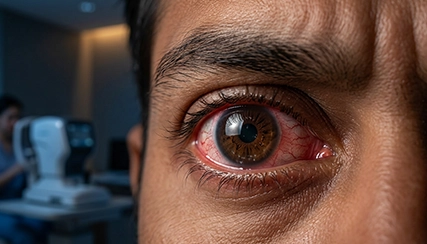
Uveitis is a serious inflammatory eye condition that affects the uvea — the middle layer of the eye that includes the iris, ciliary body, and choroid. Uveitis can cause redness, eye pain, blurred vision, floaters, and light sensitivity. If left untreated, it may lead to severe complications including glaucoma, cataracts, retinal damage, and permanent vision loss. Early diagnosis and prompt treatment are extremely important to protect vision and control inflammation. At ASG Eye Hospital, experienced uveitis specialists and ophthalmologists provide advanced diagnosis and personalized treatment for various types of uveitis using modern imaging and inflammatory eye disease management techniques.
Types of Uveitis
Anterior Uveitis (Iritis)
Anterior uveitis affects the front part of the eye between the cornea and iris. It is the most common type and often causes redness, pain, and light sensitivity.
Intermediate Uveitis
Intermediate uveitis affects the vitreous and structures behind the lens. Floaters and blurred vision are common symptoms.
Posterior Uveitis
Posterior uveitis affects the retina and choroid at the back of the eye and may cause severe visual disturbances and vision loss.
Panuveitis
Panuveitis involves inflammation of all layers of the uvea from front to back.
Symptoms of Uveitis
Symptoms may vary depending on the type and severity of inflammation. Common symptoms include:
Causes of Uveitis
In many cases, the exact cause remains unknown. However, uveitis may develop due to:
Autoimmune & Inflammatory Diseases
- Rheumatoid arthritis
- Ankylosing spondylitis
- Lupus
- Sarcoidosis
- Psoriasis
- Crohn’s disease
- Ulcerative colitis
- Multiple sclerosis
Infections
- Tuberculosis
- Herpes simplex virus
- Shingles
- Toxoplasmosis
- Syphilis
- Lyme disease
- Cytomegalovirus (CMV)
Eye Injury or Trauma
Eye injuries or previous eye surgery may trigger inflammation.
Medication-Related Uveitis
Certain medications may rarely cause inflammatory eye reactions.
Risk Factors for Uveitis
Factors that may increase the risk include:
- Autoimmune disease
- Smoking
- Eye injury
- Previous uveitis episodes
- Infections
- Family history of inflammatory disease
- Weakened immune system
Smoking has been associated with difficult-to-control uveitis.
Complications of Untreated Uveitis
Without proper treatment, uveitis can lead to serious vision-threatening complications such as:
Diagnosis of Uveitis
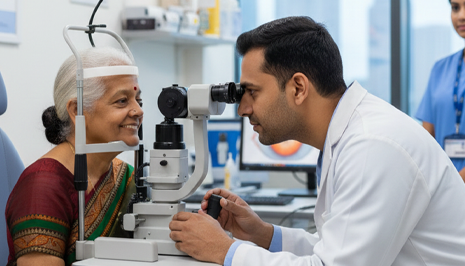
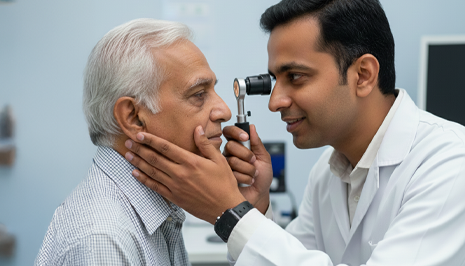
At ASG Eye Hospital, specialists perform detailed eye evaluations to identify the type and cause of uveitis. Diagnostic tests may include:
- Comprehensive eye examination
- Slit lamp examination
- Dilated retinal examination
- Optical Coherence Tomography (OCT)
- Fundus photography
- Fluorescein angiography
- Eye pressure testing
- Blood investigations
- Imaging studies if required
Advanced retinal and inflammatory eye imaging systems help specialists accurately diagnose and monitor uveitis.
Treatment Options for Uveitis
Treatment depends on the type, severity, and underlying cause of inflammation.
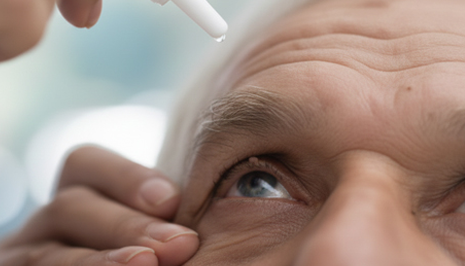
Steroid Eye Drops
Corticosteroid eye drops are commonly used to reduce inflammation in anterior uveitis.
Oral or Injectable Steroids
Severe inflammation may require oral medications or steroid injections.
Immunosuppressive Therapy
Patients with autoimmune-related uveitis may require long-term immunomodulatory treatment.
Antibiotics or Antiviral Medications
Infectious uveitis requires targeted antimicrobial treatment depending on the infection.
Cycloplegic Eye Drops
These eye drops help reduce pain and prevent complications related to iris inflammation.
Surgical Treatment
In severe or complicated cases, surgery may be needed for cataracts, glaucoma, or retinal complications.
Living with Recurrent Uveitis
Some patients experience repeated flare-ups of uveitis requiring long-term monitoring and treatment. Community experiences shared online frequently describe recurrent episodes with pain, redness, light sensitivity, floaters, and foggy vision, highlighting the importance of early symptom recognition and regular specialist follow-up.
When Should You Consult an Eye Specialist?
Seek immediate medical attention if you experience:
Why Choose ASG Eye Hospital for Uveitis Treatment?