Ocular Melanoma – Symptoms, Causes & Treatment at ASG Eye Hospital
Ocular melanoma (also known as eye melanoma or intraocular melanoma) is a rare but serious type of eye cancer that develops in the melanocytes — the pigment-producing cells of the eye. It most commonly arises in the uvea, which includes the iris, ciliary body, and choroid. Ocular melanoma often develops silently in its early stages and may not show noticeable symptoms until it begins to affect vision or spread beyond the eye. Early detection and timely treatment are critical for preserving vision and preventing life-threatening complications. At ASG Eye Hospital, experienced ocular oncology and retina specialists provide advanced diagnosis and treatment for eye melanoma using modern imaging, radiation therapy, laser treatment, and surgical care.
Types of Ocular Melanoma
Uveal Melanoma
The most common form, affecting the iris, ciliary body, or choroid (the middle layer of the eye).
Iris Melanoma
Develops in the colored part of the eye and may be visible as a dark spot.
Choroidal Melanoma
Forms in the back of the eye and is the most frequently diagnosed subtype.
Conjunctival Melanoma (Rare)
Affects the outer surface of the eye and may appear as a pigmented lesion on the conjunctiva.
Symptoms of Ocular Melanoma
In early stages, ocular melanoma may not cause any symptoms. When symptoms do appear, they may include:
- Blurred or reduced vision
- Flashes of light or floaters
- Dark spot on the iris or inside the eye
- Change in pupil shape
- Loss of peripheral vision
- Eye discomfort or pain (in some cases)
Because symptoms are often subtle or absent, many cases are detected during routine eye examinations.
Causes of Ocular Melanoma
Ocular melanoma develops due to genetic changes in melanocytes that cause uncontrolled cell growth. These mutations lead to tumor formation inside the eye.
The exact cause is not fully understood, but it is linked to abnormal DNA changes that affect how eye cells grow and divide.
In most cases, it is not directly linked to lifestyle factors, and it can occur without any clear external trigger.
Risk Factors for Ocular Melanoma
Factors that may increase risk include:
- Light eye color (blue or green eyes)
- Fair skin complexion
- Increasing age (more common in adults)
- Certain inherited genetic conditions
- Abnormal moles or pigmentation disorders
- Family history of melanoma
Complications of Untreated Ocular Melanoma
If not diagnosed and treated early, ocular melanoma may lead to:
Diagnosis of Ocular Melanoma
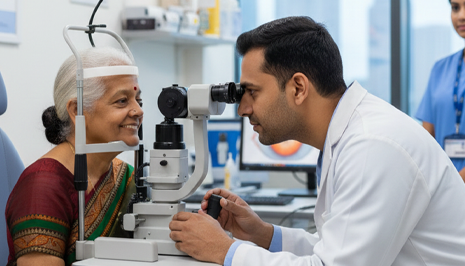
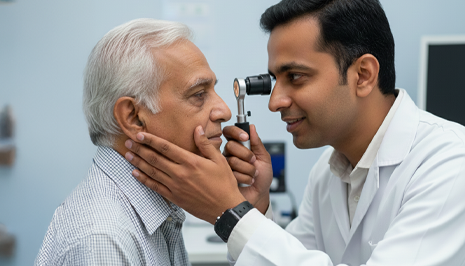
At ASG Eye Hospital, specialists use advanced diagnostic tools to detect and evaluate ocular melanoma, including:
- Comprehensive dilated eye examination
- Ocular ultrasound
- Fundus photography
- Optical Coherence Tomography (OCT)
- Fluorescein angiography
- MRI or CT scan (if needed)
- Biopsy or fine-needle aspiration in selected cases
These tests help determine tumor size, location, and whether the cancer has spread.
Treatment Options for Ocular Melanoma
Treatment depends on tumor size, location, and stage of disease. Common treatment options include:
Radiation Therapy
High-energy radiation is used to shrink or destroy tumor cells while trying to preserve vision.
Laser Therapy
Laser treatment may be used for small tumors or to control tumor growth.
Surgery
Surgical removal of the tumor or, in advanced cases, removal of the eye (enucleation) may be necessary to prevent cancer spread.
Observation
Very small, slow-growing tumors may be closely monitored before active treatment is started.
Targeted & Multidisciplinary Care
Advanced cases may require a combination of oncology, radiation, and surgical treatments.
Prognosis and Importance of Early Detection
Early detection significantly improves treatment success and helps preserve vision. If detected late, ocular melanoma may spread to other parts of the body, most commonly the liver.
Regular eye check-ups are essential, especially for high-risk individuals.
Why Choose ASG Eye Hospital?
- Specialized ocular oncology expertise
- Advanced diagnostic imaging systems
- Retina and cancer-focused eye care team
- Modern radiation and laser treatment options
- Personalized treatment planning
- Comprehensive long-term follow-up care
- Trusted eye hospital network across India
ASG Eye Hospital provides advanced and multidisciplinary care for ocular melanoma with a strong focus on early detection, vision preservation, and life-saving treatment outcomes.