Retinoblastoma – Symptoms, Causes & Treatment at ASG Eye Hospital
Retinoblastoma is a rare but serious eye cancer that develops in the retina — the light-sensitive tissue at the back of the eye responsible for vision. It primarily affects infants and young children, usually before the age of five. Early diagnosis and immediate treatment are extremely important because retinoblastoma can threaten both vision and life if it spreads beyond the eye. With timely treatment, many children can achieve good outcomes and preserve useful vision. At ASG Eye Hospital, experienced pediatric ophthalmologists and retina specialists provide advanced diagnosis and comprehensive treatment for retinoblastoma using modern imaging, chemotherapy, laser therapy, and retinal treatment technologies.
Symptoms of Retinoblastoma
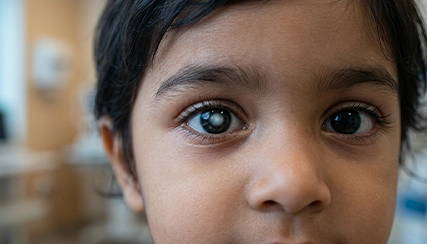
Early symptoms may not always be noticeable, but common warning signs include:
Causes of Retinoblastoma
Retinoblastoma develops due to mutations in the RB1 gene, which normally controls cell growth in the retina. When this gene becomes abnormal, retinal cells multiply uncontrollably and form tumors.
Hereditary Retinoblastoma
Inherited retinoblastoma occurs due to genetic mutations passed from parents to children. These cases commonly affect both eyes and may increase the risk of other cancers later in life.
Non-Hereditary Retinoblastoma
Some children develop retinoblastoma without a family history due to spontaneous genetic mutations.
Risk Factors for Retinoblastoma
Factors increasing risk include:
- Family history of retinoblastoma
- Inherited RB1 gene mutation
- Young age (usually below 5 years)
- Previous sibling with retinoblastoma
The condition is most commonly diagnosed in children younger than three years.
Complications of Untreated Retinoblastoma
Without timely treatment, retinoblastoma may cause:
Diagnosis of Retinoblastoma
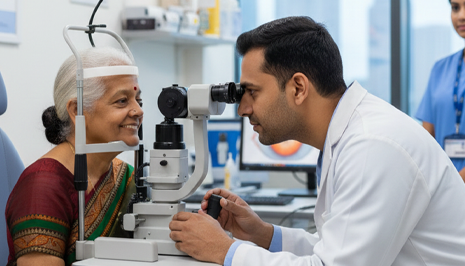
At ASG Eye Hospital, pediatric eye specialists perform detailed eye evaluations to diagnose retinoblastoma and determine tumor size and spread. Diagnostic tests may include:
- Comprehensive pediatric eye examination
- Dilated retinal examination
- Ocular ultrasound
- Fundus photography
- MRI scan
- CT scan in selected cases
- Genetic testing
- Examination under anesthesia (EUA)
Advanced retinal imaging helps specialists accurately diagnose and monitor retinoblastoma.
Stages of Retinoblastoma
Treatment depends on tumor size, location, spread, and whether one or both eyes are affected.
Chemotherapy
Chemotherapy helps shrink tumors and control cancer growth. It may be given intravenously, directly into the eye, or through blood vessels supplying the eye.
Laser Therapy (Photocoagulation)
Laser treatment destroys blood vessels supplying the tumor.
Cryotherapy
Cryotherapy uses freezing temperatures to destroy small tumors.
Thermotherapy
Heat therapy may help treat certain retinal tumors.
Radiation Therapy
Radiation may be used in selected cases to control tumor growth.
Vitreoretinal Procedures
Specialized retinal procedures may be used for advanced disease management.
Enucleation (Eye Removal Surgery)
In severe cases where the tumor threatens life or vision cannot be preserved, removal of the eye may be necessary to prevent cancer spread.
Treatment Options for Uveitis
Treatment depends on the type, severity, and underlying cause of inflammation.
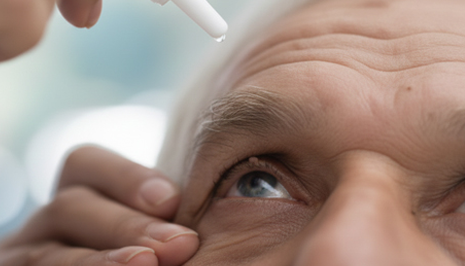
Steroid Eye Drops
Corticosteroid eye drops are commonly used to reduce inflammation in anterior uveitis.
Oral or Injectable Steroids
Severe inflammation may require oral medications or steroid injections.
Immunosuppressive Therapy
Patients with autoimmune-related uveitis may require long-term immunomodulatory treatment.
Antibiotics or Antiviral Medications
Infectious uveitis requires targeted antimicrobial treatment depending on the infection.
Cycloplegic Eye Drops
These eye drops help reduce pain and prevent complications related to iris inflammation.
Surgical Treatment
In severe or complicated cases, surgery may be needed for cataracts, glaucoma, or retinal complications.
Long-Term Follow-Up for Retinoblastoma
Children treated for retinoblastoma require regular monitoring because:
- Tumors may recur
- New tumors may develop
- Vision needs ongoing assessment
- Hereditary cases may increase future cancer risk
Genetic counseling may also be recommended for affected families.
Early Signs Parents Should Never Ignore
Parents should immediately consult a pediatric eye specialist if they notice:
- White glow in the child’s eye
- Crossed eyes
- Poor eye contact
- Eye redness not improving
- Enlarged or swollen eye
- Unusual eye appearance in photographs
Routine pediatric eye examinations can help detect retinoblastoma early.
Why Choose ASG Eye Hospital for Retinoblastoma Treatment?