Dacryocystitis – Symptoms, Causes & Treatment
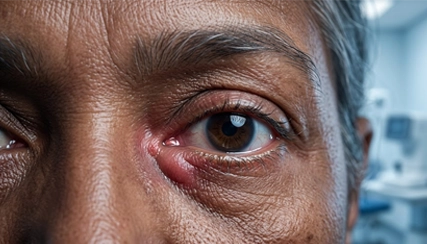
Dacryocystitis is an infection or inflammation of the lacrimal sac, which is part of the tear drainage system located near the inner corner of the eye. The condition commonly develops when the tear duct becomes blocked, causing tears and bacteria to collect inside the lacrimal sac. This may lead to pain, swelling, redness, watering of the eyes, discharge, and recurrent infections. At ASG Eye Hospital Oculoplasty Services, experienced oculoplasty specialists provide advanced diagnosis and treatment for dacryocystitis and tear duct disorders using modern medical and surgical techniques.
Types of Dacryocystitis
Acute Dacryocystitis
Acute dacryocystitis develops suddenly and causes severe pain, redness, swelling, and tenderness near the inner corner of the eye. Fever and pus discharge may also occur in severe infections.
Chronic Dacryocystitis
Chronic dacryocystitis develops gradually and is often associated with long-term tear duct blockage. Symptoms may include constant watering, sticky discharge, and recurrent mild infections.
Congenital Dacryocystitis
This condition occurs in newborns or infants due to incomplete opening of the tear drainage system at birth. It may cause watery eyes and discharge in babies.
Symptoms of Dacryocystitis
Common symptoms of dacryocystitis include:
- Pain and swelling near the inner corner of the eye
- Redness around the tear sac area
- Excessive watering of the eyes
- Sticky or pus-like eye discharge
- Fever in severe infections
- Tenderness around the nose and eye
- Blurred vision due to excessive tearing
- Crusting around the eyelids
- Recurrent eye infections
- Swelling near the nose bridge
Symptoms may worsen quickly in acute infections and require prompt medical attention.
Causes of Dacryocystitis
Dacryocystitis usually develops because of blockage in the tear drainage system. Common causes include:
- Nasolacrimal duct obstruction
- Chronic sinus or nasal infection
- Age-related narrowing of tear ducts
- Trauma near the nose or eye
- Nasal polyps
- Previous facial surgery
- Congenital tear duct blockage
- Chronic eye inflammation
- Bacterial infection
- Facial fractures or injuries
Proper diagnosis helps identify the exact cause and determine the most suitable treatment plan.
Risk Factors for Dacryocystitis
People with the following conditions may have a higher risk of developing dacryocystitis:
- Older age
- Chronic sinus infections
- Previous facial trauma
- Nasal abnormalities
- Diabetes
- Weak immune system
- Chronic eye infections
- Congenital tear duct blockage in infants
Complications of Untreated Dacryocystitis
If left untreated, dacryocystitis may lead to serious complications, including:
- Recurrent tear sac infections
- Spread of infection around the eye
- Formation of abscess near the eye
- Cellulitis
- Corneal infection
- Vision disturbances
- Chronic watering and discomfort
- Rare spread of infection to surrounding tissues
Early diagnosis and treatment help prevent long-term complications.
Diagnosis of Dacryocystitis
At ASG Eye Hospital, specialists perform a detailed eye and tear drainage evaluation to diagnose dacryocystitis accurately. Evaluation may include:
- Comprehensive eye examination
- Tear drainage assessment
- Lacrimal sac examination
- Slit lamp evaluation
- Imaging tests in selected cases
- Nasal and sinus evaluation
- Assessment for tear duct blockage
A personalized treatment plan is recommended based on the severity and underlying cause of the infection.
Dacryocystitis Treatment Options
Antibiotic Medications
Antibiotic eye drops, oral antibiotics, or injectable antibiotics may be prescribed to control bacterial infection and reduce inflammation.
Warm Compress Therapy
Warm compresses may help relieve pain, swelling, and discomfort associated with tear sac infection.
Tear Duct Massage
In infants with congenital tear duct blockage, gentle massage techniques may help open the tear drainage system naturally.
Drainage of Abscess
In severe infections with pus collection, doctors may perform drainage procedures to relieve pressure and control infection.
DCR Surgery (Dacryocystorhinostomy)
DCR surgery is the most effective long-term treatment for chronic tear duct blockage. The procedure creates a new drainage pathway between the lacrimal sac and the nasal cavity, allowing tears to drain normally again.
Endoscopic Tear Duct Surgery
Advanced minimally invasive endoscopic procedures may be used in selected patients for faster recovery and reduced scarring.
Recovery After DCR Surgery
Recovery after tear duct surgery generally includes:
- Mild swelling and discomfort for a few days
- Use of prescribed medications and eye drops
- Improved tear drainage gradually
- Reduced watering and discharge
- Follow-up examinations for healing assessment
Most patients experience significant improvement in symptoms after successful surgery.
How to Prevent Dacryocystitis
You can reduce the risk of dacryocystitis by:
- Seeking treatment for persistent watery eyes
- Managing sinus and nasal infections promptly
- Maintaining proper eye hygiene
- Avoiding eye injuries
- Regular eye checkups
- Consulting an eye specialist for chronic tearing
Why Choose ASG Eye Hospital for Dacryocystitis Treatment?
- Experienced oculoplasty and lacrimal specialists
- Advanced tear duct surgery techniques
- Modern diagnostic technology
- Personalized treatment planning
- Minimally invasive surgical procedures
- Comprehensive eye care services
- Trusted eye hospital network across India
ASG Eye Hospital provides advanced care for tear duct blockage, watery eyes, and dacryocystitis with a focus on restoring healthy tear drainage and long-term eye comfort.