Optic Neuritis – Symptoms, Causes & Treatment at ASG Eye Hospital
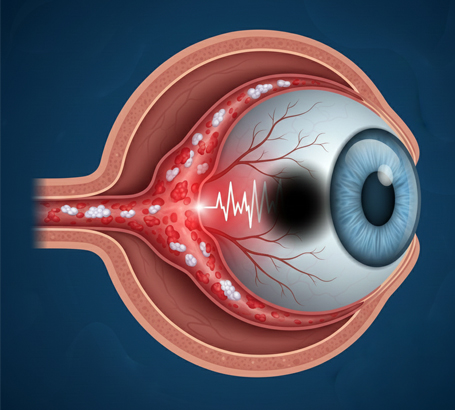
Optic neuritis is an inflammatory condition that affects the optic nerve — the nerve responsible for carrying visual information from the eyes to the brain. Inflammation of the optic nerve can lead to sudden vision loss, eye pain, reduced color vision, and visual disturbances. Optic neuritis may occur independently or be associated with neurological disorders such as multiple sclerosis (MS). Early diagnosis and prompt treatment are important to protect vision and identify underlying neurological conditions. At ASG Eye Hospital, experienced neuro-ophthalmologists provide advanced diagnosis and comprehensive treatment for optic neuritis using modern imaging and neurological evaluation techniques.
Symptoms of Optic Neuritis
Common symptoms of optic neuritis include:
- Sudden vision loss in one eye
- Blurred or dim vision
- Eye pain, especially during eye movement
- Reduced color vision
- Faded or dull color perception
- Loss of peripheral vision
- Central blind spots
- Flashing lights with eye movement
- Reduced contrast sensitivity
- Temporary worsening of vision with heat or fatigue
Pain during eye movement is one of the most common symptoms of optic neuritis.
Causes of Optic Neuritis
Optic neuritis commonly develops due to inflammation affecting the optic nerve. Possible causes include:
Risk Factors for Optic Neuritis
The following factors may increase the risk:
- Age between 20–40 years
- Female gender
- Autoimmune diseases
- Multiple sclerosis
- Previous neurological disorders
- Viral infections
- Family history of autoimmune disease
Women are more commonly affected than men.
Relationship Between Optic Neuritis & Multiple Sclerosis
Optic neuritis is often associated with multiple sclerosis (MS), a neurological disease affecting the brain and spinal cord. In some patients, optic neuritis may be the first sign of MS. MRI brain imaging is commonly recommended to evaluate neurological involvement and assess future risk.
Complications of Untreated Optic Neuritis
Without timely treatment, optic neuritis may lead to:
- Permanent optic nerve damage
- Reduced visual clarity
- Persistent color vision defects
- Recurrent optic neuritis attacks
- Partial permanent vision loss
- Increased neurological complications
Although many patients recover vision partially or fully, some may continue to experience residual visual disturbances.
Diagnosis of Optic Neuritis
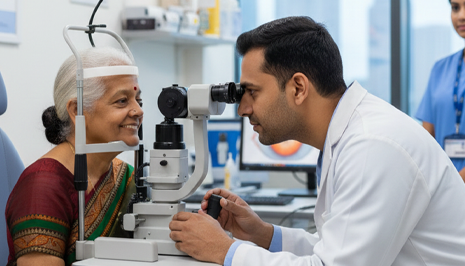
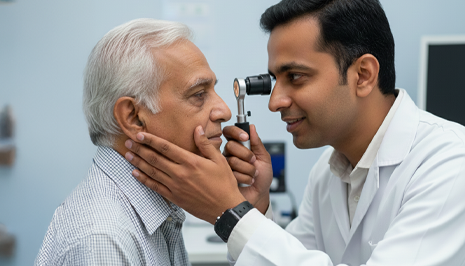
At ASG Eye Hospital, neuro-ophthalmology specialists perform advanced diagnostic evaluations to identify optic neuritis and underlying neurological causes. Diagnostic tests may include:
Treatment Options for Optic Neuritis
Intravenous Steroid Therapy
High-dose intravenous steroids are commonly used to reduce inflammation and speed visual recovery.
Oral Medications
Oral steroid medications may be prescribed after intravenous therapy for continued inflammation control.
Treatment of Underlying Conditions
Patients with MS, autoimmune disease, infections, or neurological disorders may require additional specialized treatment.
Plasma Exchange Therapy (PLEX)
In severe cases where steroid treatment is ineffective, plasma exchange therapy may help improve recovery.
Long-Term Neurological Monitoring
Patients with optic neuritis may require long-term neurological follow-up to monitor for multiple sclerosis or recurrent inflammation.
Recovery After Optic Neuritis
Many patients begin recovering vision within a few weeks, although complete recovery may take several months. Some patients may continue to experience:
When to Consult an Eye Specialist
You should seek immediate medical attention if you experience:
- Sudden vision loss
- Eye pain during movement
- Double vision
- Reduced color vision
- Sudden blurred vision
- Flashing lights or visual disturbances
Prompt diagnosis is important because optic neuritis may indicate underlying neurological disease.
Why Choose ASG Eye Hospital for Optic Neuritis Treatment?
- Experienced neuro-ophthalmology specialists
- Advanced optic nerve imaging technology
- Comprehensive neurological eye evaluation
- Modern OCT and MRI-based assessment
- Multidisciplinary treatment approach
- Personalized vision care
- Trusted eye hospital network across India
ASG Eye Hospital provides advanced diagnosis and treatment for optic neuritis and neuro-ophthalmology disorders with a focus on preserving vision, identifying neurological causes, and improving long-term visual outcomes.