Papilledema – Symptoms, Causes & Treatment at ASG Eye Hospital
Papilledema is swelling of the optic disc caused by increased pressure inside or around the brain (intracranial pressure). The optic disc is the area where the optic nerve connects the eye to the brain. Papilledema is not an eye disease itself but an important medical sign that may indicate serious neurological conditions such as brain tumors, infections, bleeding, or idiopathic intracranial hypertension (IIH). Early diagnosis and urgent medical evaluation are essential because untreated papilledema can lead to permanent vision loss and neurological complications. At ASG Eye Hospital, experienced neuro-ophthalmologists provide advanced diagnosis and treatment for papilledema using modern imaging and neuro-ophthalmic diagnostic technology.
Symptoms of Papilledema
Some patients may initially have no symptoms, while others may experience:
- Headaches, especially in the morning
- Temporary vision loss or blurred vision
- Double vision (diplopia)
- Transient visual blackouts
- Nausea and vomiting
- Eye pain or discomfort
- Pulsating sound in the ears (pulsatile tinnitus)
- Peripheral vision loss
- Visual disturbances
- Dizziness
- Difficulty concentrating
Vision symptoms may worsen as intracranial pressure increases.
Causes of Papilledema
Papilledema develops due to increased intracranial pressure affecting the optic nerves. Common causes include:
- Idiopathic intracranial hypertension (IIH)
- Brain tumors
- Brain hemorrhage or bleeding
- Head injury or trauma
- Meningitis
- Encephalitis
- Hydrocephalus
- Cerebral venous sinus thrombosis
- Severe hypertension
- Brain abscess
- Certain medications
- Excess vitamin A toxicity
Idiopathic intracranial hypertension is one of the most common causes of papilledema.
Risk Factors for Papilledema
Factors that may increase the risk include:
- Obesity
- Female gender
- Age between 20–44 years
- Neurological disorders
- Brain infections
- Blood clotting disorders
- High blood pressure
- Certain medications
- Vitamin A excess
Papilledema related to IIH is more common in overweight women of reproductive age.
Complications of Untreated Papilledema
Without timely treatment, papilledema may lead to:
- Permanent optic nerve damage
- Vision loss
- Blindness
- Chronic headaches
- Neurological complications
- Brain damage in severe cases
Early diagnosis is extremely important because prolonged optic nerve swelling can permanently affect vision.
Diagnosis of Papilledema
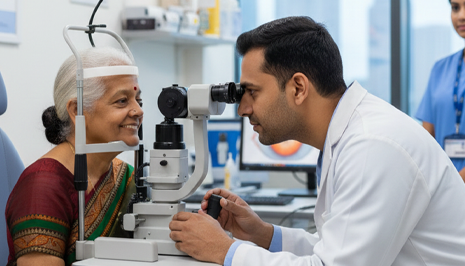
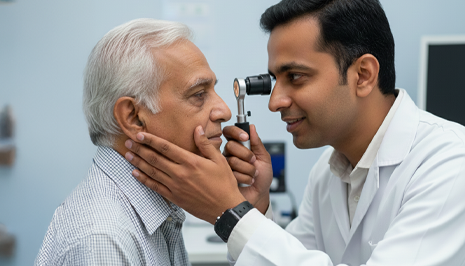
At ASG Eye Hospital, neuro-ophthalmology specialists perform comprehensive evaluations to diagnose papilledema and identify underlying neurological causes. Diagnostic tests may include:
- Comprehensive eye examination
- Fundus examination
- Optical Coherence Tomography (OCT)
- Visual field testing
- MRI brain scan
- CT scan
- Lumbar puncture (spinal tap)
- Blood investigations
- Neurological evaluation
Brain imaging is usually performed urgently to identify the cause of increased intracranial pressure.
Treatment Options for Papilledema
Treatment of Underlying Cause
Papilledema treatment primarily focuses on treating the underlying condition causing increased intracranial pressure.
Medications
Medications such as acetazolamide may help reduce cerebrospinal fluid pressure in patients with IIH. Steroids or antibiotics may be prescribed depending on the cause.
Weight Management
Weight reduction may help improve papilledema associated with idiopathic intracranial hypertension.
Lumbar Puncture
Lumbar puncture may be performed both diagnostically and therapeutically to reduce cerebrospinal fluid pressure.
Surgical Treatment
In severe or resistant cases, surgery may be required, including:
- Ventriculoperitoneal (VP) shunt
- Optic nerve sheath fenestration
- Tumor removal surgery
Surgical treatment helps reduce pressure and prevent vision loss.
Recovery & Follow-Up Care
Regular follow-up is important after treatment to monitor:
When Should You Seek Immediate Medical Attention?
You should seek urgent medical care if you experience:
Why Choose ASG Eye Hospital for Papilledema Treatment?
Although some forms of strabismus cannot be prevented, early detection can reduce long-term complications. Parents should:
- Schedule regular pediatric eye examinations
- Watch for eye misalignment in children
- Correct refractive errors early
- Seek prompt treatment for lazy eye
- Monitor visual development regularly
Why Choose ASG Eye Hospital for Strabismus Treatment?
- Experienced neuro-ophthalmology specialists
- Advanced optic nerve imaging technology
- Comprehensive neurological eye evaluation
- Modern OCT and neuro-imaging support
- Personalized treatment plans
- Multidisciplinary medical approach
- Trusted eye hospital network across India
ASG Eye Hospital provides advanced diagnosis and management for papilledema and neuro-ophthalmology disorders with a focus on preserving vision, identifying neurological causes, and improving long-term outcomes.