
Pediatric Eye Diseases – Vision Care for Children
Explore common childhood eye problems, their symptoms, and treatments with trusted pediatric eye specialists at ASG Eye Hospital.
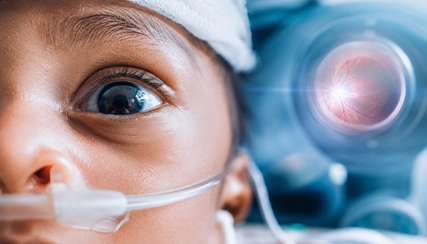
Retinopathy of Prematurity
Retinopathy of Prematurity (ROP) is a serious retinal eye condition that affects premature babies, particularly those born with low birth weight or before full-term pregnancy.
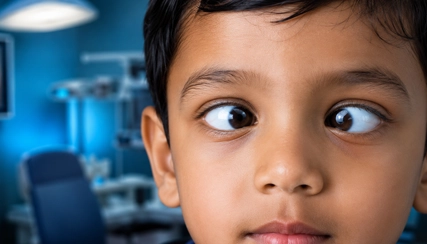
Strabismus
Strabismus, commonly known as squint eye, is a condition in which both eyes do not align properly and may point in different directions. One eye may look straight while the other turns inward
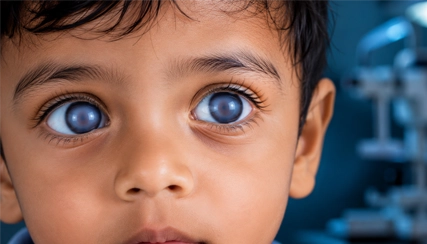
Congenital Glaucoma
Congenital glaucoma is a rare but serious eye condition present at birth or developing during early childhood. It occurs when the eye’s drainage system does not develop properly
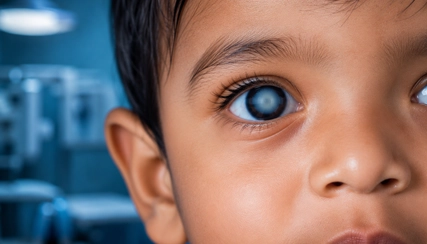
Congenital Cataract
Congenital cataract is a condition in which a baby is born with clouding of the natural lens of the eye. The cloudy lens blocks light from reaching the retina properly
Not sure which
treatment is right for you?
Book an appointment and let our specialists guide you.

Vision for All.
Not Just for Some
ASG is growing its network with 200 Vision Centres, delivering affordable eye care to over 4 million people.
Or

Pediatric Eye Diseases – Child Eye Care & Treatment at ASG Eye Hospital
Healthy vision plays a vital role in a child’s learning, development, and overall quality of life. Pediatric eye diseases are eye conditions that affect infants, children, and teenagers and may interfere with normal visual development if not diagnosed and treated early. Many childhood eye problems can be successfully managed with timely detection, proper treatment, and regular eye examinations. At ASG Eye Hospital, experienced pediatric ophthalmologists provide comprehensive diagnosis and treatment for a wide range of pediatric eye disorders using advanced technology and child-friendly care approaches.
What Are Pediatric Eye Diseases?
Pediatric eye diseases are vision and eye conditions that occur during childhood. Some conditions are present from birth (congenital), while others develop during growth and development. Early diagnosis is extremely important because untreated eye disorders can affect visual development, school performance, and daily activities.
Children may not always recognize or communicate vision problems, making regular eye checkups essential for healthy eyesight and overall development.
Common Pediatric Eye Diseases
Refractive Errors in Children
Refractive errors occur when the eye cannot focus light properly, causing blurred vision. Common refractive errors include:
- Myopia (nearsightedness)
- Hyperopia (farsightedness)
- Astigmatism
Children with refractive errors may have difficulty reading, seeing the classroom board, or focusing on objects clearly. Prescription glasses or contact lenses can help improve vision.
Squint (Strabismus)
Strabismus is a condition where the eyes are not properly aligned and may point in different directions. One eye may turn inward, outward, upward, or downward. Early treatment is important to prevent lazy eye and visual development problems. (asgeyehospital.com)
Lazy Eye (Amblyopia)
Amblyopia occurs when vision in one eye does not develop properly during childhood. It is commonly associated with squint or refractive errors and can become permanent if untreated. Early treatment offers the best visual outcomes.
Congenital Cataract
Some babies are born with cataracts, causing cloudy vision and impaired visual development. Pediatric cataract surgery may be required to restore vision and support normal eye development. (asgeyehospital.com)
Pediatric Glaucoma
Pediatric glaucoma is a rare but serious condition caused by increased eye pressure that can damage the optic nerve and affect vision. Early diagnosis and treatment are essential to prevent vision loss.
Retinopathy of Prematurity (ROP)
ROP affects premature babies and involves abnormal blood vessel growth in the retina. Without timely treatment, severe cases may lead to vision loss or blindness.
Conjunctivitis in Children
Children commonly develop conjunctivitis (pink eye), which may cause redness, watering, discharge, and irritation. Viral and bacterial conjunctivitis can spread easily among children.
Blocked Tear Duct
Some infants develop blocked tear ducts, causing excessive watering and discharge from the eyes. Many cases improve naturally, while persistent blockage may require treatment.
Symptoms of Pediatric Eye Diseases
Parents should consult an eye specialist if a child experiences:
- Frequent eye rubbing
- Squinting or closing one eye
- Watery or red eyes
- Sensitivity to light
- Difficulty reading or focusing
- Holding books too close
- Headaches
- Poor school performance
- Eye misalignment
- White reflex in photographs
- Excessive blinking
- Tilting the head while viewing objects
Early evaluation helps detect vision problems before they affect learning and development.
Causes of Pediatric Eye Diseases
Childhood eye conditions may develop due to:
- Genetic or hereditary factors
- Premature birth
- Developmental abnormalities
- Eye injuries
- Infections
- Refractive errors
- Excessive screen exposure
- Poor visual habits
- Nutritional deficiencies
Importance of Early Eye Examination in Children
Regular pediatric eye examinations are important because children may not realize they have vision problems. Early screening helps detect:
- Refractive errors
- Squint
- Lazy eye
- Cataract
- Eye coordination problems
- Retinal disorders
Early treatment can significantly improve visual development and academic performance.
Diagnosis of Pediatric Eye Diseases
At ASG Eye Hospital, pediatric ophthalmologists perform comprehensive child-friendly eye evaluations, including:
- Vision testing
- Eye alignment assessment
- Refraction testing
- Retina examination
- Eye pressure evaluation
- Pediatric cataract screening
- Retinal examination for premature babies
Advanced pediatric diagnostic technology helps specialists accurately diagnose and manage childhood eye diseases.
Pediatric Eye Disease Treatment Options
Prescription Glasses
Corrective glasses help manage refractive errors such as myopia, hyperopia, and astigmatism.
Patching Therapy
Eye patching may be recommended for lazy eye treatment to strengthen weaker vision.
Pediatric Eye Surgery
Certain conditions such as squint, congenital cataract, blocked tear duct, or glaucoma may require surgical correction.
Vision Therapy
Specialized visual exercises and therapy may improve eye coordination and focusing ability in selected cases.
Medical Management
Eye drops, medications, and infection treatment may be prescribed for inflammatory or infectious eye conditions.
ROP Treatment
Laser therapy or retinal treatment may be required for premature infants with retinopathy of prematurity.
How to Protect Children’s Eye Health
Parents can support healthy vision by:
- Scheduling regular eye checkups
- Limiting excessive screen time
- Encouraging outdoor activities
- Providing healthy nutrition rich in vitamins
- Ensuring proper lighting during reading
- Teaching proper eye hygiene
- Protecting children from eye injuries
Why Choose ASG Eye Hospital for Pediatric Eye Care?
- Experienced pediatric ophthalmologists
- Child-friendly diagnostic environment
- Advanced pediatric eye care technology
- Comprehensive treatment for childhood eye diseases
- Specialized care for premature babies and ROP
- Modern pediatric surgical facilities
- Trusted eye hospital network across India
ASG Eye Hospital provides comprehensive pediatric eye care services focused on early diagnosis, effective treatment, and long-term visual development for children.
Clear Answers for Better Vision
At what age should a child have an eye examination?
Children should undergo regular eye screenings during infancy and before starting school, especially if there is a family history of eye problems.
Can children outgrow squint or lazy eye?
Some mild eye alignment issues may improve, but most cases require early treatment to prevent permanent vision problems.
Does excessive screen time affect children’s eyes?
Yes, prolonged screen exposure may contribute to digital eye strain, dry eyes, and increasing myopia in children.
Can pediatric cataracts be treated?
Yes, pediatric cataracts can often be treated successfully with surgery and proper visual rehabilitation.
When should parents consult a pediatric eye specialist?
Parents should seek medical attention if a child has squinting, blurred vision, frequent headaches, watery eyes, eye rubbing, or difficulty seeing objects clearly.