
Refractive & Vision Disorders Clearer Eyes, Brighter Future
India’s Trusted Eye Hospital for Advanced Vision Correction

Myopia (Near-Sightedness)
Myopia is a condition where a person can see nearby objects clearly, but distant objects appear blurry. It is commonly seen in children and young adults.
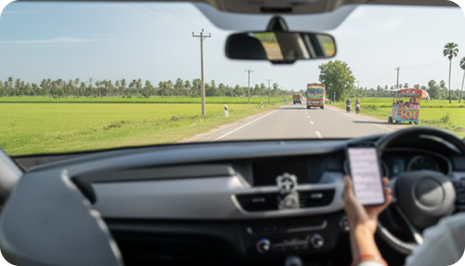
Hyperopia (Far-Sightedness)
Hyperopia makes it difficult to see nearby objects clearly, while distant vision may remain normal. It can affect both children and adults.
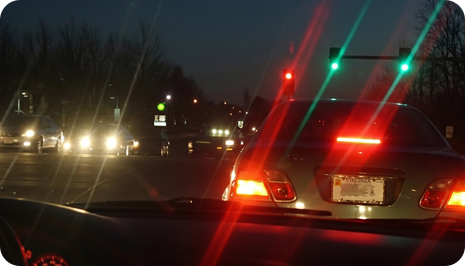
Astigmatism
Astigmatism occurs due to an irregular shape of the cornea or lens, causing blurred or distorted vision at all distances.
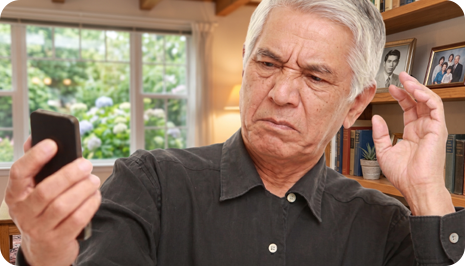
Presbyopia
Presbyopia is an age-related condition that affects near vision, usually after the age of 40. It makes reading and focusing on close objects difficult.
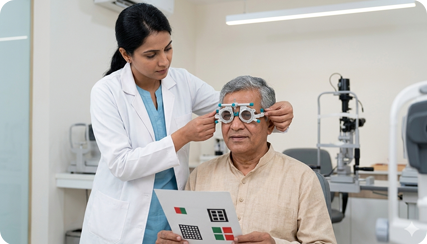
Anisometropia
Anisometropia occurs when there is a significant difference in the refractive power between both eyes, leading to unequal vision.
Amblyopia (Lazy Eye)
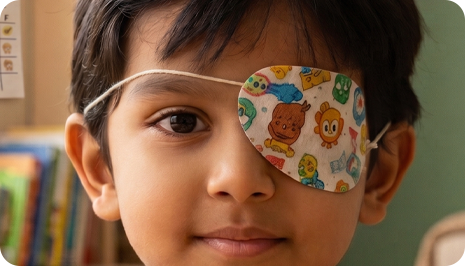
Amblyopia is a condition where one eye does not develop proper vision during childhood. Early treatment is essential to prevent permanent vision loss.
Not sure which
treatment is right for you?
Book an appointment and let our specialists guide you.

Vision for All.
Not Just for Some
ASG is growing its network with 200 Vision Centres, delivering affordable eye care to over 4 million people.
Or

Refractive & Vision Disorders | Symptoms, Causes & Treatment
Refractive and vision disorders are among the most common eye problems affecting people of all age groups. These conditions occur when the eye is unable to properly focus light on the retina, resulting in blurred or unclear vision.
At ASG Eye Hospital, we offer advanced diagnosis and treatment for all types of refractive errors using modern technology and expert care.
What Are Refractive & Vision Disorders?
Refractive errors happen when the shape of the eye prevents light from focusing directly on the retina. This leads to vision problems such as difficulty seeing near or distant objects clearly.
These conditions can be easily diagnosed through an eye examination and are usually treatable with glasses, contact lenses, or vision correction procedures like LASIK.
Types of Refractive & Vision Disorders
Below are the most common types of refractive and vision disorders:
1. Myopia (Near-Sightedness)
Myopia is a condition where a person can see nearby objects clearly, but distant objects appear blurry. It is commonly seen in children and young adults.
2. Hyperopia (Far-Sightedness)
Hyperopia makes it difficult to see nearby objects clearly, while distant vision may remain normal. It can affect both children and adults.
3. Astigmatism
Astigmatism occurs due to an irregular shape of the cornea or lens, causing blurred or distorted vision at all distances.
4. Presbyopia
Presbyopia is an age-related condition that affects near vision, usually after the age of 40. It makes reading and focusing on close objects difficult.
5. Anisometropia
Anisometropia occurs when there is a significant difference in the refractive power between both eyes, leading to unequal vision.
6. Amblyopia (Lazy Eye)
Amblyopia is a condition where one eye does not develop proper vision during childhood. Early treatment is essential to prevent permanent vision loss.
Common Symptoms of Vision Disorders
- Blurred or unclear vision
- Difficulty seeing distant or nearby objects
- Eye strain or headaches
- Squinting frequently
- Difficulty reading or focusing
Treatment Options Available
At ASG Eye Hospital, treatment options include:
- Prescription glasses
- Contact lenses
- LASIK and laser vision correction
- Pediatric vision therapy (for children)
Treatment is personalized based on the patient’s age, condition, and lifestyle.
Why Choose ASG Eye Hospital?
- Experienced eye specialists
- Advanced diagnostic technology
- Safe and effective treatments
- Available across multiple cities in India
When Should You See a Doctor?
You should consult an eye specialist if you experience:
- Persistent blurred vision
- Difficulty reading or seeing far objects
- Frequent headaches
- Vision changes in children
Early diagnosis helps in effective treatment and better vision outcomes.
Book an Eye Check-Up Today
If you are searching for:
- Vision problem treatment near me
- LASIK surgery near me
- Best eye hospital in India
ASG Eye Hospital provides comprehensive eye care services to help you achieve clear and healthy vision.
Schedule your consultation today and take the first step towards better eyesight.
Clear Answers for Better Vision
What are refractive and vision disorders?
Refractive and vision disorders are eye conditions where light does not focus properly on the retina, causing blurred or unclear vision. Common types include myopia, hyperopia, and astigmatism.
What are the most common refractive errors?
The most common refractive errors are:
- Myopia (near-sightedness)
- Hyperopia (far-sightedness)
- Astigmatism
- Presbyopia
What causes refractive errors?
Refractive errors are usually caused by the shape of the eye, cornea, or lens. They can also be influenced by genetics, age, and lifestyle factors like excessive screen use.
What are the symptoms of vision disorders?
Common symptoms include:
- Blurred vision
- Eye strain
- Headaches
- Difficulty reading or seeing distant objects
- Squinting
Can refractive errors be corrected?
Yes, refractive errors can be corrected with:
- Eyeglasses
- Contact lenses
- LASIK or laser vision correction
Is LASIK surgery safe for vision correction?
Yes, LASIK is a safe and effective procedure for correcting vision problems when performed by experienced eye specialists using advanced technology.
At what age does presbyopia start?
Presbyopia usually begins after the age of 40 and gradually affects the ability to see nearby objects clearly.
What is amblyopia (lazy eye)?
Amblyopia is a condition where one eye does not develop proper vision during childhood. Early diagnosis and treatment are important to improve vision.
Can children have refractive errors?
Yes, children can develop refractive errors like myopia or amblyopia. Regular eye check-ups are important for early detection and proper visual development.
How often should I get my eyes checked?
- Adults: Every 1–2 years
- Children: Regular check-ups during growth
- High-risk individuals: As advised by a doctor
What happens if refractive errors are not treated?
Untreated refractive errors can lead to:
- Worsening vision
- Eye strain and headaches
- Learning difficulties in children
How can I prevent vision problems?
While not all refractive errors can be prevented, you can reduce risk by:
- Taking regular eye check-ups
- Limiting screen time
- Eating a healthy diet
- Protecting eyes from strain and UV exposure