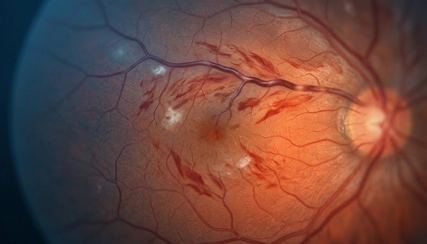
Why is Retinal Vein Occlusion Dangerous?
Can cause sudden vision loss
Leads to complications like macular edema and bleeding
May increase eye pressure (glaucoma risk)
Vision damage can become permanent if untreated
Immediate diagnosis helps prevent long-term vision loss
Types of Retinal Vein Occlusion
1. Central Retinal Vein Occlusion (CRVO)
2. Branch Retinal Vein Occlusion (BRVO)
Symptoms of Retinal Vein Occlusion
Blurred vision
Sudden or gradual vision loss
Floaters (dark spots or lines)
Eye pain or pressure (in severe cases)
Some patients may have no symptoms initially, making regular eye exams important
Causes of Retinal Vein Occlusion
The primary cause is blockage of the retinal vein due to disrupted blood flow.
Common Causes:
Risk Factors
You are at higher risk if you:
Have high blood pressure
Have diabetes
Have high cholesterol
Are above 40–50 years
Have glaucoma
Smoke
These conditions affect blood vessels and increase blockage risk
When Should You See a Doctor?
Consult an eye specialist immediately if you notice:
Sudden blurred vision
Floaters
Vision loss in one eye
Eye discomfort
Early treatment improves outcomes significantly
Diagnosis of Retinal Vein Occlusion
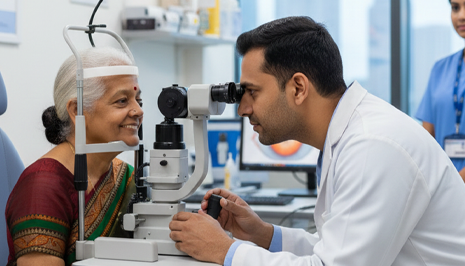
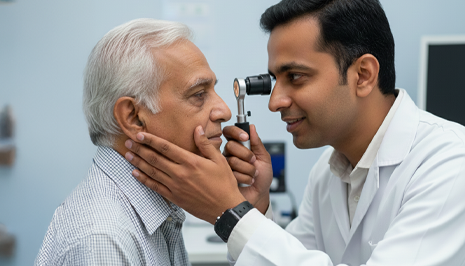
A comprehensive eye examination includes:
These tests help detect swelling, bleeding, and blocked vessels.
Treatment Options for Retinal Vein Occlusion
There is no direct cure to unblock the vein, but treatment focuses on managing complications and preserving vision.
Steroid Injections
Laser Treatment (PRP)
Vitrectomy Surgery
Goal: Protect vision and prevent further damage
Retinal Vein Occlusion Treatment Cost in India
Estimated Cost Range:
Injections: ₹5,000 – ₹25,000 per dose
Laser treatment: ₹10,000 – ₹50,000
Surgery: ₹50,000 – ₹2,00,000
Recovery & Long-Term Management
Requires regular follow-ups
Vision recovery depends on severity
Control of BP, diabetes, and cholesterol is essential
Long-term monitoring needed
Why Choose ASG Eye Hospital?
Advanced retina diagnostics (OCT, angiography)
Experienced retina specialists
Latest injection & laser treatments
180+ hospitals across India
Comprehensive vascular retina care