Diabetic Eye Disease – Symptoms, Causes & Treatment at ASG Eye Hospital
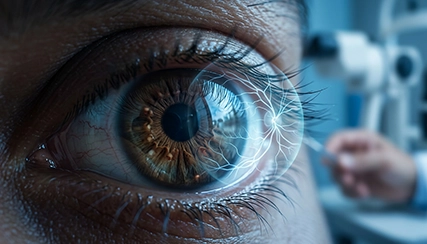
Diabetic eye disease is a group of eye conditions caused by long-term diabetes that affects the blood vessels, retina, and overall structure of the eye. It is one of the leading causes of vision loss in adults, especially when blood sugar levels remain uncontrolled for a long time. The condition can develop silently without early symptoms, but it can gradually lead to blurred vision, retinal damage, and even permanent blindness if not treated on time. Early detection, strict diabetes control, and regular eye examinations are essential to protect vision. At ASG Eye Hospital, experienced retina specialists provide advanced diagnosis and treatment for diabetic eye disease using modern retinal imaging, laser technology, and injection-based therapies.
How Diabetes Affects the Eyes
High blood sugar over time damages tiny blood vessels in the retina. These vessels may:
- Leak fluid or blood
- Become blocked
- Form abnormal new vessels
This affects the retina’s ability to process clear images and leads to progressive vision problems.
Types of Diabetic Eye Disease
1. Diabetic Retinopathy
Damage to retinal blood vessels leading to leakage, swelling, or abnormal vessel growth.
2. Diabetic Macular Edema (DME)
Swelling in the macula (central vision area), causing blurred or distorted vision.
3. Cataract
Clouding of the eye lens, which can occur earlier and progress faster in diabetic patients.
4. Glaucoma
Increased eye pressure due to abnormal vessel growth, damaging the optic nerve.
Symptoms of Diabetic Eye Disease
In early stages, there are often no symptoms. As the disease progresses, symptoms may include:
- Blurred or fluctuating vision
- Dark spots or floaters
- Difficulty reading or seeing clearly
- Poor night vision
- Faded or washed-out colors
- Sudden vision loss in advanced stages
- Eye pressure or discomfort
Risk Factors
You are at higher risk if you have:
- Long-term diabetes
- Poor blood sugar control
- High blood pressure
- High cholesterol
- Pregnancy with diabetes
- Smoking habits
The longer you have diabetes, the higher the risk of eye damage.
Diagnosis of Diabetic Eye Disease
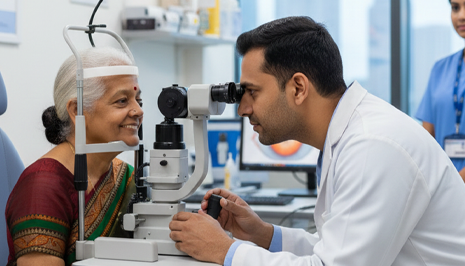
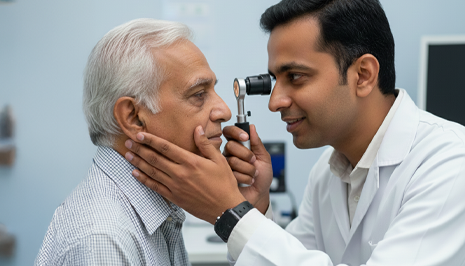
At ASG Eye Hospital, diabetic eye disease is diagnosed using advanced eye testing such as:
- Dilated eye examination
- Fundus photography
- Optical Coherence Tomography (OCT)
- Fluorescein angiography (FFA)
- Retinal evaluation
These tests help detect early retinal damage even before symptoms appear.
Treatment Options for Diabetic Eye Disease
Treatment depends on the stage and severity of the disease:
1. Blood Sugar Control
Strict diabetes management is the most important step to slow disease progression.
2. Laser Treatment
Laser therapy helps seal leaking blood vessels and prevents further retinal damage.
3. Anti-VEGF Injections
These injections reduce swelling and stop abnormal blood vessel growth.
4. Vitrectomy Surgery
Used in advanced cases with bleeding or retinal detachment.
5. Cataract Surgery (if required)
Performed when lens clouding affects vision significantly.
Complications of Untreated Diabetic Eye Disease
If not treated early, it may lead to:
- Permanent vision loss
- Vitreous hemorrhage (bleeding inside the eye)
- Retinal detachment
- Neovascular glaucoma
- Blindness
Prevention Tips
- Maintain healthy blood sugar levels
- Control blood pressure and cholesterol
- Get yearly eye check-ups
- Avoid smoking
- Follow diabetic diet and exercise routine
- Report vision changes immediately
When Should You See an Eye Doctor?
Seek immediate consultation if you notice:
- Sudden blurred vision
- Floaters or dark spots
- Vision distortion
- Sudden loss of vision
- Eye pain or pressure
Early treatment can prevent permanent damage.
Why Choose ASG Eye Hospital?