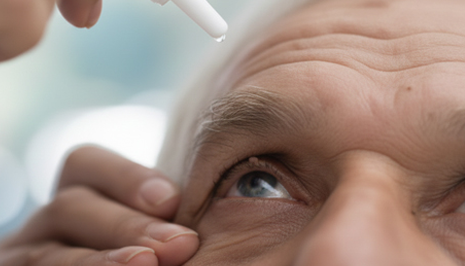
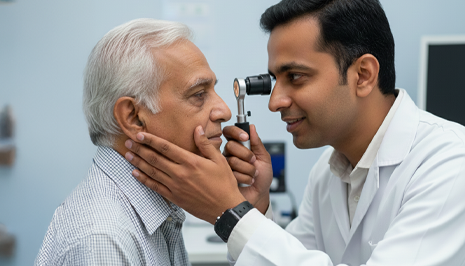
Hypertensive Eye Disease – Symptoms, Causes & Treatment at ASG Eye Hospital
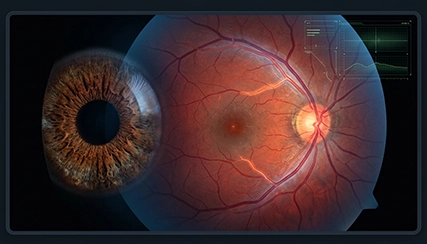
Hypertensive eye disease refers to eye complications caused by long-term high blood pressure (hypertension). High blood pressure can damage the delicate blood vessels in the retina, leading to changes in vision and, in severe cases, permanent vision loss. The retina is highly sensitive to blood flow changes, and uncontrolled hypertension can gradually affect its structure and function without early noticeable symptoms. This condition is often detected during a routine eye examination before a patient even realizes there is damage. Early diagnosis, regular monitoring, and proper blood pressure control are essential to prevent serious eye complications. At ASG Eye Hospital, experienced retina specialists provide advanced diagnosis and treatment for hypertensive eye disease using modern retinal imaging and comprehensive eye evaluation techniques.
Causes of Hypertensive Eye Disease
The main cause is uncontrolled high blood pressure, but several factors increase risk:
- Long-term hypertension
- Poor lifestyle habits (high salt intake, lack of exercise)
- Smoking and alcohol use
- High cholesterol levels
- Diabetes (increases risk severity)
- Kidney disease
- Stress and obesity
Symptoms of Hypertensive Eye Disease
In early stages, there may be no symptoms at all, which makes regular eye check-ups very important.
As the condition progresses, symptoms may include:
- Blurred or reduced vision
- Headaches with vision changes
- Double vision (in severe cases)
- Dark spots or floaters
- Sudden vision loss (in advanced cases)
- Eye discomfort or pressure
Types of Hypertensive Eye Changes
1. Mild Hypertensive Changes
- Slight narrowing of retinal blood vessels
- No major vision symptoms
2. Moderate Hypertensive Retinopathy
- More visible vessel narrowing
- Leakage from blood vessels
- Retinal swelling
3. Severe Hypertensive Retinopathy
- Bleeding in the retina
- Optic nerve swelling
- Significant vision impairment
Risk Factors
You are at higher risk if you have:
- Chronic high blood pressure
- Diabetes
- Smoking habit
- Obesity
- Sedentary lifestyle
- Family history of hypertension
- Kidney disorders
Complications of Untreated Hypertensive Eye Disease
If left untreated, it can lead to:
- Permanent vision loss
- Retinal hemorrhage (bleeding)
- Optic nerve damage
- Retinal detachment
- Stroke-related eye complications
- Severe hypertensive crisis affecting vision
Diagnosis of Hypertensive Eye Disease
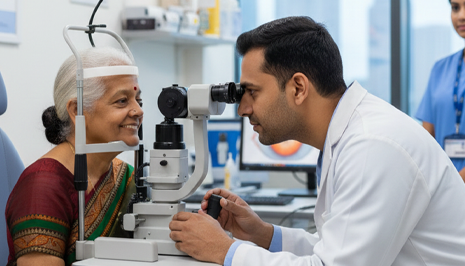
At ASG Eye Hospital, specialists use advanced diagnostic methods such as:
- Dilated fundus examination
- Retinal imaging (Fundus photography)
- Optical Coherence Tomography (OCT)
- Fluorescein angiography (FFA)
- Blood pressure monitoring review
- Systemic health evaluation
These tests help detect even early retinal changes caused by hypertension.
Treatment Options for Hypertensive Eye Disease
Treatment focuses on controlling blood pressure and managing eye damage:
1. Blood Pressure Control
- Antihypertensive medications
- Lifestyle modifications
- Salt and diet control
- Regular monitoring
2. Eye Treatment
- Retinal laser treatment (if required)
- Anti-VEGF injections for swelling
- Management of retinal bleeding
- Supportive eye drops
3. Lifestyle Management
- Healthy diet (low salt, low fat)
- Regular exercise
- Smoking and alcohol cessation
- Stress management
Prevention Tips
- Regular blood pressure checks
- Routine eye examinations
- Healthy diet and weight control
- Exercise at least 30 minutes daily
- Avoid smoking
- Manage diabetes and cholesterol
When Should You See an Eye Doctor?
Seek immediate medical care if you experience:
Why Choose ASG Eye Hospital?