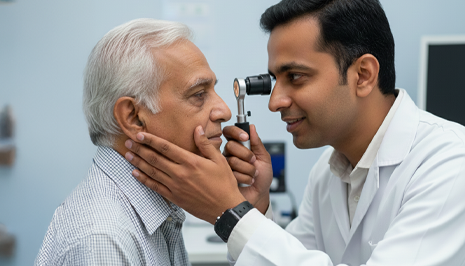
Thyroid Eye Disease – Symptoms, Causes & Treatment at ASG Eye Hospital
Thyroid Eye Disease (TED), also known as Graves’ orbitopathy, is an autoimmune condition that affects the muscles, fat, and tissues around the eyes. It commonly occurs in patients with thyroid disorders, especially hyperthyroidism (overactive thyroid), but it can also occur in patients with normal or underactive thyroid levels. Thyroid Eye Disease can cause eye bulging, dryness, double vision, and in severe cases, vision loss due to pressure on the optic nerve. Early diagnosis and specialized treatment are important to prevent complications and protect vision. At ASG Eye Hospital, experienced ophthalmologists and oculoplastic specialists provide advanced diagnosis and comprehensive treatment for Thyroid Eye Disease using modern imaging, medical therapy, and surgical management
Causes of Thyroid Eye Disease
Thyroid Eye Disease occurs due to an autoimmune reaction. The immune system mistakenly targets tissues behind the eyes, causing inflammation and swelling.
Common causes and triggers include:
- Graves’ disease (most common cause)
- Hyperthyroidism (overactive thyroid)
- Smoking (major risk factor and disease worsener)
- Genetic predisposition
- Immune system dysfunction
Symptoms of Thyroid Eye Disease
Symptoms may vary depending on severity and stage of disease:
Early Symptoms
- Dry or gritty eyes
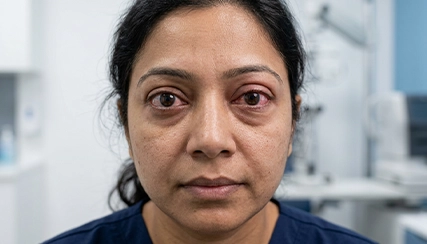
- Redness and irritation
- Watery eyes
- Sensitivity to light
Progressive Symptoms
- Bulging of one or both eyes (proptosis)
- Double vision (diplopia)
- Swelling around the eyes
- Difficulty closing eyelids completely
- Eye pain or pressure
Severe Symptoms
- Blurred vision
- Reduced color vision
- Optic nerve compression (vision-threatening)
Phases of Thyroid Eye Disease
1. Active (Inflammatory) Phase
- Swelling and inflammation increase
- Symptoms worsen rapidly
- Eye redness and pain are common
2. Inactive (Fibrotic) Phase
- Inflammation stabilizes
- Residual changes like bulging or double vision may remain
Risk Factors
You are at higher risk if you have:
- Graves’ disease or thyroid imbalance
- Smoking habit
- Family history of thyroid or autoimmune disease
- Female gender (more common in women)
- High stress or immune system disorders
Complications of Untreated Thyroid Eye Disease
If not treated properly, it may lead to:
- Permanent eye bulging
- Chronic double vision
- Corneal damage due to dryness
- Optic nerve compression
- Permanent vision loss
- Facial appearance changes
Diagnosis of Thyroid Eye Disease
At ASG Eye Hospital, diagnosis includes a detailed evaluation of eye and thyroid health:
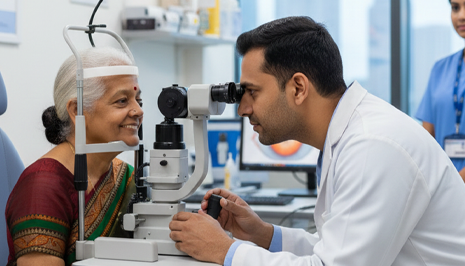
- Comprehensive eye examination
- Exophthalmometry (measuring eye bulging)
- Thyroid function tests (T3, T4, TSH)
- CT scan or MRI of orbit
- Vision and color vision testing
- Extraocular muscle assessment
These tests help determine disease activity and severity.
Treatment Options for Thyroid Eye Disease
Treatment depends on severity and stage of the disease.
1. Medical Treatment
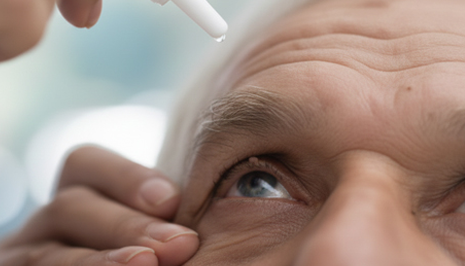
- Lubricating eye drops for dryness
- Steroids to reduce inflammation
- Immunosuppressive therapy in active cases
- Thyroid hormone control with endocrinologist support
2. Lifestyle Management
- Smoking cessation (very important)
- Proper thyroid control
- Eye protection and lubrication
3. Surgical Treatment (in advanced cases)
- Orbital decompression surgery (to reduce bulging)
- Strabismus surgery (for double vision)
- Eyelid correction surgery
4. Radiation Therapy
- Used in selected moderate-to-severe cases to reduce inflammation
When Should You See an Eye Specialist?
Seek immediate medical attention if you experience:
- Bulging eyes
- Sudden or worsening double vision
- Eye pain with swelling
- Decreased vision
- Inability to close eyes properly
- Severe redness or pressure sensation
Early treatment helps prevent permanent damage.
Why Choose ASG Eye Hospital?